
A monthly newsletter from the National Institutes of Health, part of the U.S. Department of Health and Human Services
NIH Websites Are Changing
NIH is moving the launch of its new website to the fall to ensure the best possible experience for everyone who relies on our websites for health information, research, funding opportunities, and other resources.
Health Capsule
Preventing Shingles
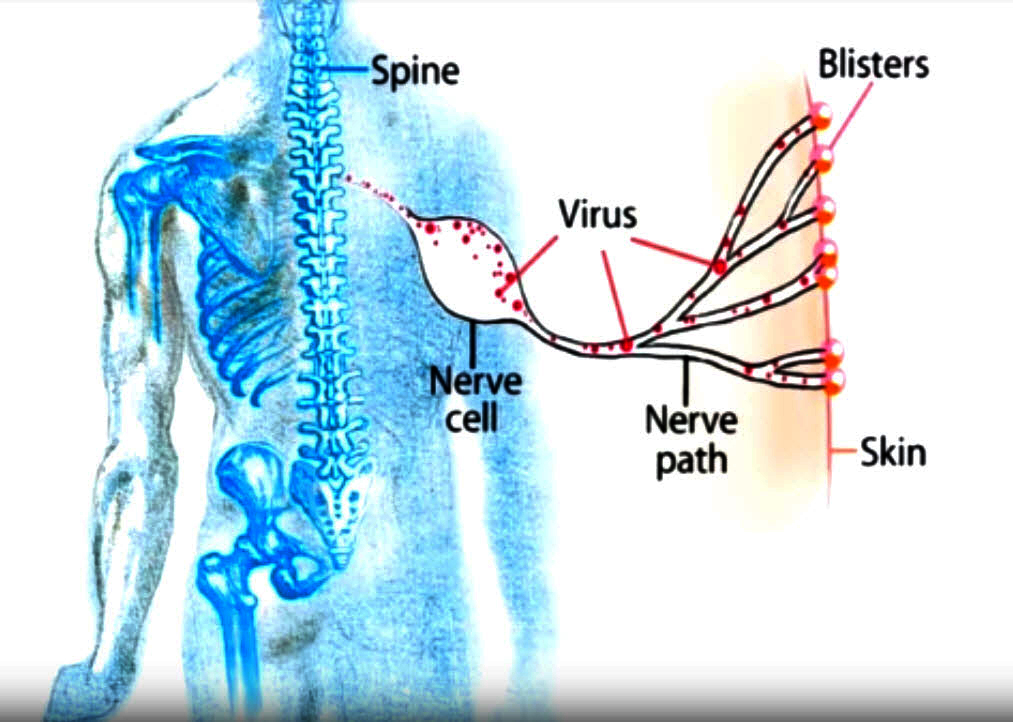
Did you ever have chickenpox? If so, you’re at risk for getting a disease called shingles. About 1 out of every 3 people will get shingles at some point in their lives.
After you’ve had chickenpox, the virus becomes inactive and hides in your body. Shingles is caused by the virus becoming active again, but its symptoms can be much more severe. Burning, itchy rashes and blisters may appear on one side of your body or face. You might also feel fatigue, fever, headache, or an upset stomach.
The rashes and blisters can take 3 to 5 weeks to heal. However, the pain could last much longer. It’s possible to get shingles more than once.
As you get older, your risk for getting shingles grows. Shingles most commonly occurs in adults over 50, but it can appear at any age.
There are now two shingles vaccines approved by the U.S. Food and Drug Administration (FDA) for people over 50. They can help prevent shingles or lower the extent of the effects it may cause.


NIH Office of Communications and Public Liaison
Health and Science Publications Branch
Building 31, Room 5B52
Bethesda, MD 20892-2094
Contact Us:
[email protected]
Phone: 301-451-8224
Share Our Materials: Reprint our articles and illustrations in your own publication. Our material is not copyrighted. Please acknowledge NIH News in Health as the source and send us a copy.
For more consumer health news and information, visit health.nih.gov.
For wellness toolkits, visit www.nih.gov/wellnesstoolkits.