
A monthly newsletter from the National Institutes of Health, part of the U.S. Department of Health and Human Services
NIH Websites Are Changing
NIH is moving the launch of its new website to the fall to ensure the best possible experience for everyone who relies on our websites for health information, research, funding opportunities, and other resources.
Health Capsule
Acupuncture Relieves Chronic Low Back Pain in Older Adults
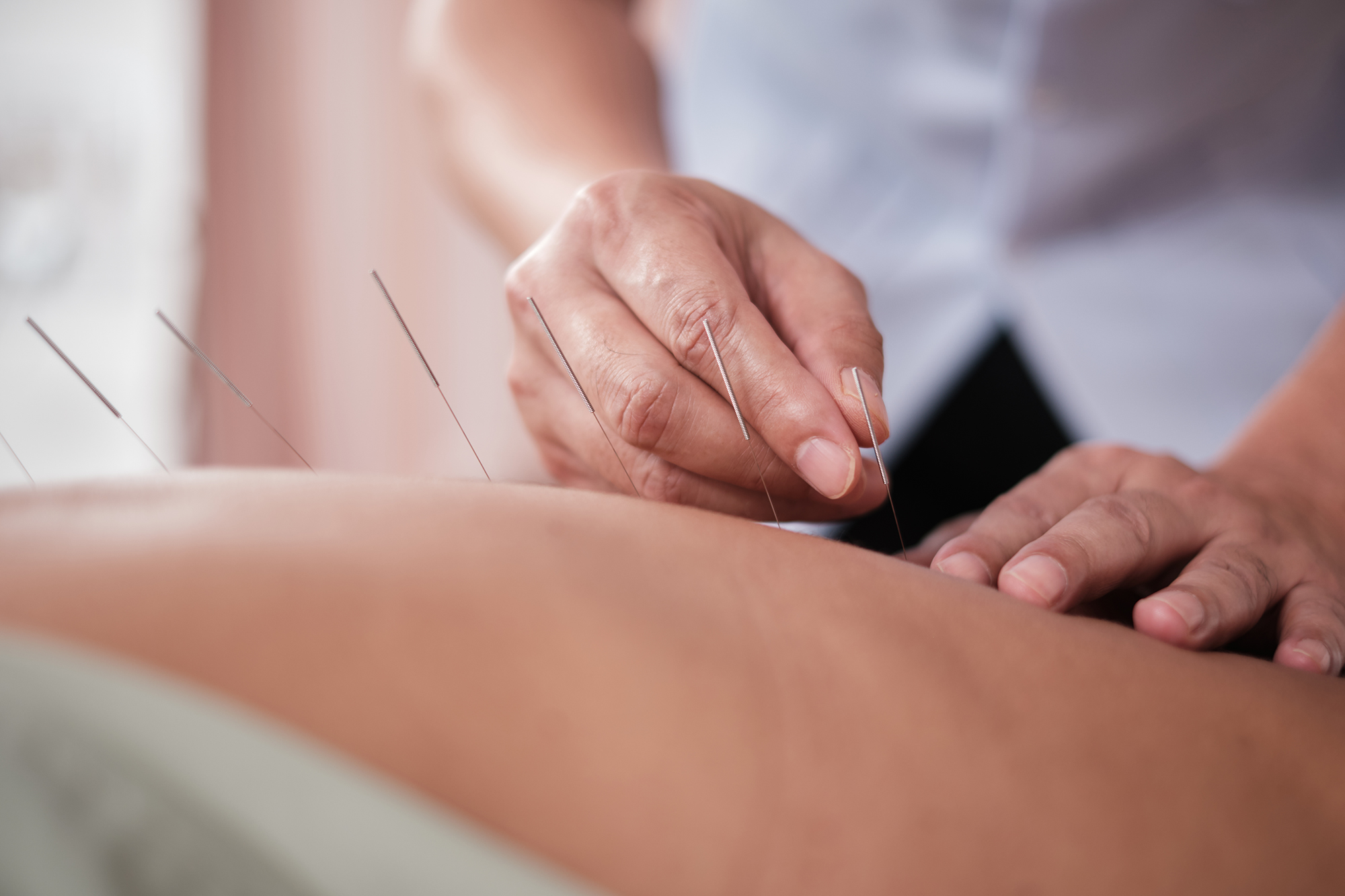
More than 1 out of 3 older adults in the U.S. have chronic low back pain. Pain is considered chronic when it lasts more than three months. Some find relief with pain medications or physical therapy. But others need more options. A new study looked at how much acupuncture might help older adults with chronic back pain.
Acupuncture uses thin metal needles to stimulate specific points on the body. Studies have shown it can help with different types of pain.
Researchers enrolled 800 adults ages 65 or older with chronic low back pain. Participants were divided into three groups. Each received treatment for 12 weeks. One group had access to standard medical care alone. This included options for medicine and physical therapy. Another group had access to standard care plus eight to 15 sessions of acupuncture. The last group received standard care options plus enhanced acupuncture—with an additional four to six sessions of acupuncture.
The two groups who received acupuncture had less back pain than those offered standard care alone. The acupuncture groups also reported improved physical function after six months. After 12 months, they had less disability from pain and fewer anxiety symptoms.
Nondrug pain relief options could be especially helpful for older adults who already take several medications. “Acupuncture offers a less invasive option that has a better safety profile than a lot of the common treatments for back pain in older adults,” says Dr. Lynn DeBar of Kaiser Permanente.


NIH Office of Communications and Public Liaison
Health and Science Publications Branch
Building 31, Room 5B52
Bethesda, MD 20892-2094
Contact Us:
[email protected]
Phone: 301-451-8224
Share Our Materials: Reprint our articles and illustrations in your own publication. Our material is not copyrighted. Please acknowledge NIH News in Health as the source and send us a copy.
For more consumer health news and information, visit health.nih.gov.
For wellness toolkits, visit www.nih.gov/wellnesstoolkits.