
A monthly newsletter from the National Institutes of Health, part of the U.S. Department of Health and Human Services
NIH Websites Are Changing
NIH is moving the launch of its new website to the fall to ensure the best possible experience for everyone who relies on our websites for health information, research, funding opportunities, and other resources.
Curbing Chronic Kidney Disease
Keep Your Body’s Filters Healthy
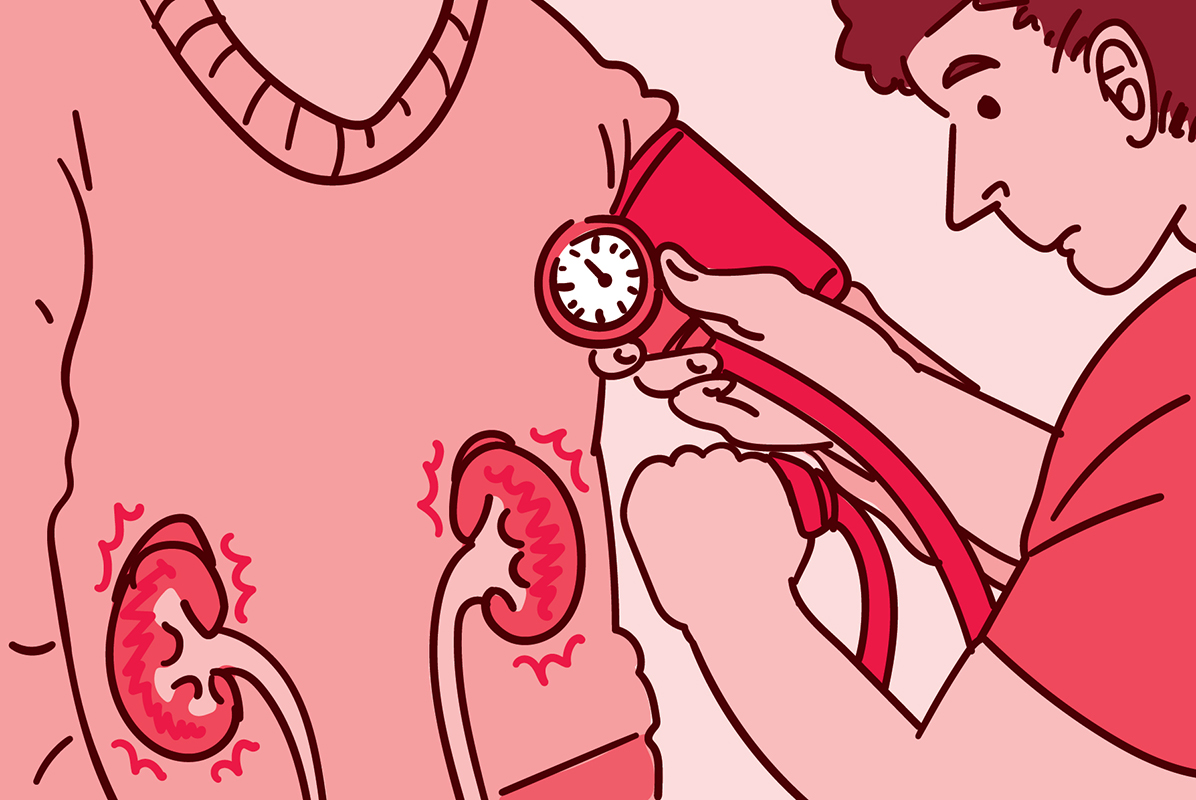
Your kidneys function as your body’s filters. These two organs clear out toxins and compounds that would otherwise build up in your blood. This keeps the rest of your body running smoothly.
Your kidneys filter around 150 quarts of blood each day. This blood is circulated around your entire body. “So when the kidneys aren’t working well, every cell and every organ in the body can be affected,” says Dr. Jonathan Himmelfarb, a kidney specialist at Mount Sinai.
One of the most common kidney problems for adults is called chronic kidney disease, or CKD. In CKD, your kidneys aren’t able to filter your blood properly.
More than 1 in every 7 adults in the U.S. has some level of CKD. But many people don’t know they have it.
“People with chronic kidney disease generally have no symptoms until they’re very near kidney failure,” explains Dr. Michael Shlipak, a kidney-health researcher at the University of California, San Francisco.
CKD can’t be cured. But catching and treating it early can slow it down or even stop it from getting worse. So it’s vital to know if you have CKD or are at risk for the condition.
Detecting Kidney Dysfunction
The most common causes of CKD are diabetes, high blood pressure, and Related to the heart and the vessels that circulate blood through the body. cardiovascular disease. These health conditions can damage the kidneys over time. Treating them as early as possible can reduce your risk of related kidney problems.
Genetics and a family history of kidney diseases can also raise your risk for kidney diseases. So can conditions that impact your overall health. These include infections, obesity, and cancer.
Certain medications may lead to kidney damage. For example, taking too many nonsteroidal anti-inflammatory drugs (NSAIDs) for too long can damage your kidneys.
As CKD worsens, you may start to have signs. These can include swelling in the legs, feet, ankles, hands, or face. Symptoms of advanced CKD can include fatigue, loss of appetite, nausea or vomiting. You may also have trouble concentrating, weight loss, shortness of breath, muscle cramps, or chest pain.
Kidney problems can eventually lead to heart damage, too. “Advanced kidney disease just wears down the body, particularly the heart and brain,” Shlipak says.
If you have a health condition that puts you at risk for CKD, talk with your doctor about getting tested before you have symptoms. You can also ask your doctor if any medications you take could damage the kidneys.
Blood and urine tests are the first steps in diagnosing CKD. A blood test that measures a substance called creatinine is commonly used to assess kidney function. But such test results can vary greatly depending on people’s age, sex, physical activity levels, and other health conditions, Shlipak says. They’re only an estimate of kidney function.
Shlipak and others have been testing the use of another blood test, for a substance called cystatin C, to measure kidney function. Unlike creatinine, cystatin C levels are less affected by personal differences, he explains. Researchers have found that adding the two blood tests together can more accurately diagnose CKD. This can help doctors detect the disease earlier. It also lowers the chances that a person is mistakenly told they do or don’t have the disease.
Getting a diagnosis of chronic kidney disease can be scary. But there are many treatment options and changes to your lifestyle that can help.
Dietary Changes
One important thing that people with CKD can do to stay healthy longer is make certain changes to their diet.
“Dietary changes are a fundamental aspect of managing chronic kidney disease,” says Dr. Meryl Waldman, who studies nutrition and kidney health at NIH.
Avoiding foods and drinks high in certain nutrients may prevent or delay some health problems for people with CKD. These include foods high in sodium, potassium, and phosphorus. Some people with advanced CKD may also benefit from avoiding too much protein.
Other aspects of a heart-healthy diet, like avoiding heavily processed packaged foods, are generally recommended. But there’s no single meal plan that’s best for everyone with CKD. Dietary advice depends on the disease stage, lab test results, and other health conditions you may have, Waldman says.
You can ask your doctor for a referral to a registered dietitian. One type of nutrition counseling for CKD is called medical nutrition therapy, or MNT. MNT can help you personalize your diet for your needs.
“Patients with CKD can feel like they’re at the mercy of their illness. But dietary management can flip that script and help you become an active participant in your own health,” Waldman says.
Getting Treatment
Other lifestyle changes, like getting more exercise and sleep, reducing stress, and avoiding alcohol and tobacco also help your body and organs work better together, Waldman adds.
Medications are a vital part of managing CKD, too. Some drugs to help manage CKD treat the underlying conditions, such as high blood pressure and diabetes.
“But in the last 10 years, there have been remarkable advances in terms of medications that directly treat kidney disease,” Shlipak says. “When someone’s diagnosed with early-stage or medium-stage kidney disease, we now have a variety of options that can slow the progression.”
But it can take time to know if a drug is really working, Himmelfarb explains. During that time, kidney damage can get worse.
Himmelfarb and other scientists are now working on ways to predict the best drugs to give to people with CKD. “We want to get the right treatment to the right patient at the right time, and ideally at the right dose,” Himmelfarb says.
For some people with CKD, their kidneys may eventually stop working. This is called kidney failure. If this happens, you may need dialysis. Dialysis is a treatment that uses a machine to clean the blood. This can help you feel better and live longer. Some people with kidney failure may also be eligible for a kidney transplant.
Many of the same lifestyle changes recommended to people with CKD can also prevent it from developing in the first place. If you have or are at risk for CKD, talk with your doctor. See the Ask Your Doctor box for questions that can help guide the conversation.




NIH Office of Communications and Public Liaison
Health and Science Publications Branch
Building 31, Room 5B52
Bethesda, MD 20892-2094
Contact Us:
[email protected]
Phone: 301-451-8224
Share Our Materials: Reprint our articles and illustrations in your own publication. Our material is not copyrighted. Please acknowledge NIH News in Health as the source and send us a copy.
For more consumer health news and information, visit health.nih.gov.
For wellness toolkits, visit www.nih.gov/wellnesstoolkits.