
A monthly newsletter from the National Institutes of Health, part of the U.S. Department of Health and Human Services
NIH Websites Are Changing
NIH is moving the launch of its new website to the fall to ensure the best possible experience for everyone who relies on our websites for health information, research, funding opportunities, and other resources.
Health Capsule
Certain Proteins May Help Prevent Food Allergies
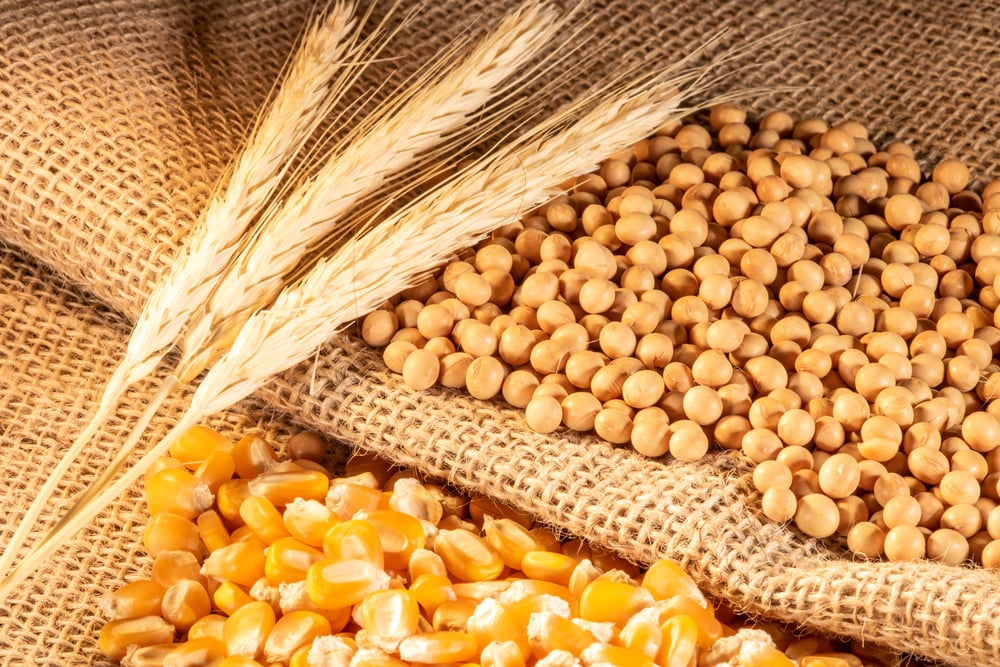
In food allergies, the body’s defense system, called the immune system, reacts to harmless food as if it were a threat. To understand why this happens, scientists first need to know how the body develops a tolerance to a food. A new study showed that certain parts of dietary proteins normally act as signals that foods are safe.
Researchers found seven different sensors in specialized immune cells in the mouse gut. The sensors reacted to proteins in mouse chow. Five of the sensors were activated by corn protein found in mouse chow. One was activated by a wheat protein, and the other by a soybean protein.
The sensors only detected certain parts of the proteins, called epitopes. The most frequently recognized epitope was on a corn protein. The specialized cells that recognized the corn protein first appeared when the mice were four weeks of age. This was about the same time that the mice first ate the food. The cells sent signals to other immune cells not to attack the food protein.
Scientists are just starting to understand how the body builds tolerance to food. “For a long time, we thought food tolerance simply meant the immune system was ignoring the foods we eat—that is to say that tolerance is the absence of allergy,” says Dr. Elizabeth Sattely of Stanford University, who co-led the study. “But we now know that tolerance is active and adaptive behavior. Certain cells in our intestines survey the foods we eat, looking for specific proteins. When found, the cells signal the immune system that the food is safe.”




NIH Office of Communications and Public Liaison
Health and Science Publications Branch
Building 31, Room 5B52
Bethesda, MD 20892-2094
Contact Us:
[email protected]
Phone: 301-451-8224
Share Our Materials: Reprint our articles and illustrations in your own publication. Our material is not copyrighted. Please acknowledge NIH News in Health as the source and send us a copy.
For more consumer health news and information, visit health.nih.gov.
For wellness toolkits, visit www.nih.gov/wellnesstoolkits.