
A monthly newsletter from the National Institutes of Health, part of the U.S. Department of Health and Human Services
NIH Websites Are Changing
NIH is moving the launch of its new website to the fall to ensure the best possible experience for everyone who relies on our websites for health information, research, funding opportunities, and other resources.
Health Capsule
Early Exposure to Metals Can Affect Brain Health
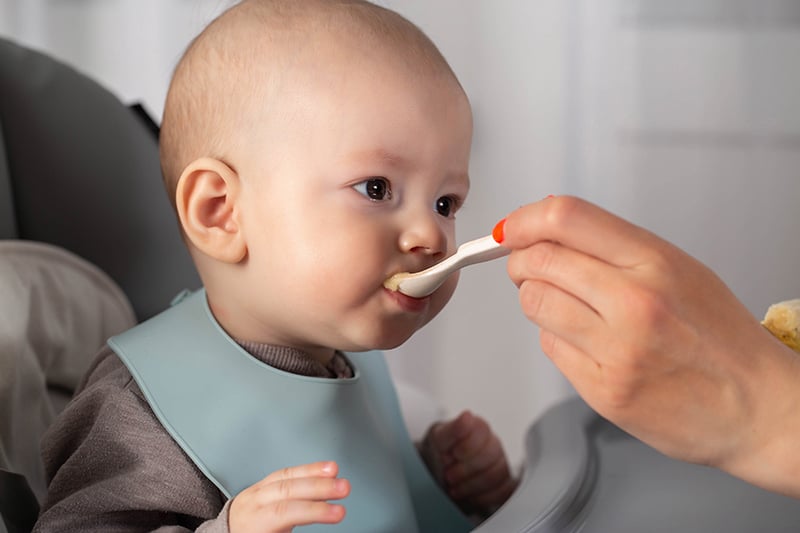
Scientists found that babies exposed to high levels of metals were more likely to have brain and mental health problems later in childhood.
Metals can get into the body by eating or drinking, touching surfaces, or breathing in fumes. While the body needs certain metals, too much of them can be harmful. Some metals, like lead, are harmful in any amount. Babies and children have a higher risk from metals because their brains are rapidly forming.
An NIH-funded research team measured the effects of metal exposures in 500 children aged 8 to 14. The team examined their naturally shed “baby” teeth. Like tree rings, baby teeth develop layer by layer. Researchers measured the amount of metals in each layer to see how much metal was in the body at specific times.
The team also examined brain health in the children. They measured anxiety, depression, hyperactivity, and attention. They also scanned brain structure and function.
Babies who had high levels of metal were more likely to have mental health symptoms later on. They were also more likely to have effects on brain structure and function. The period from 6 to 9 months old was a critical window. This is when babies start crawling and eating solid foods, so they may be exposed to metals more often.
“This shows that when exposure happens matters just as much as what the exposure is,” says Dr. Megan Horton at Mount Sinai Hospital, who co-led the study. “Our findings shift prevention from broad early-life exposure concerns to protecting children during specific high-risk windows.”



NIH Office of Communications and Public Liaison
Health and Science Publications Branch
Building 31, Room 5B52
Bethesda, MD 20892-2094
Contact Us:
[email protected]
Phone: 301-451-8224
Share Our Materials: Reprint our articles and illustrations in your own publication. Our material is not copyrighted. Please acknowledge NIH News in Health as the source and send us a copy.
For more consumer health news and information, visit health.nih.gov.
For wellness toolkits, visit www.nih.gov/wellnesstoolkits.