
A monthly newsletter from the National Institutes of Health, part of the U.S. Department of Health and Human Services
NIH Websites Are Changing
NIH is moving the launch of its new website to the fall to ensure the best possible experience for everyone who relies on our websites for health information, research, funding opportunities, and other resources.
Navigating Grief
Helpful Strategies to Cope with Loss
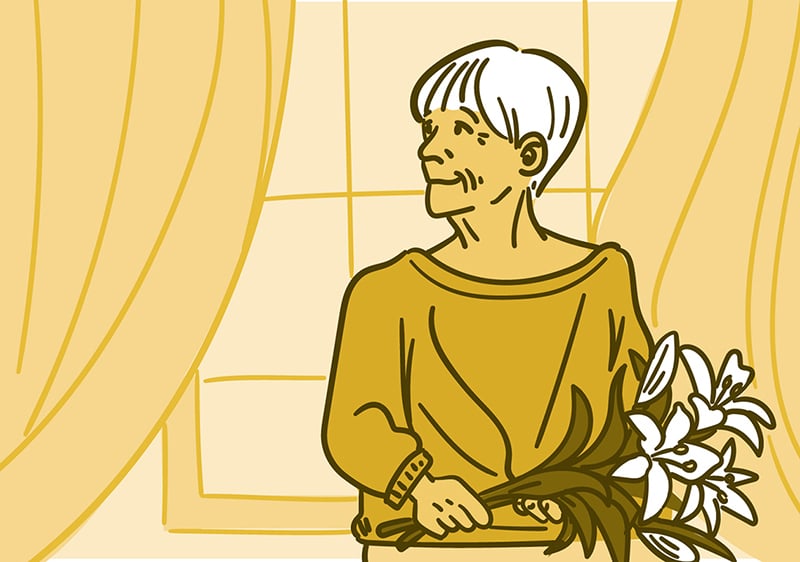
Grief is something we all go through. It can follow the death of someone you love, the end of a relationship, or another major loss or life change. While experiencing grief is normal and natural, it can still feel hard to understand. Researchers are working to learn more about how people grieve and what helps people move through it.
“Grief is a natural response to losing someone or something we are deeply attached to,” says Dr. Wendy Lichtenthal, a clinical psychologist at the University of Miami Health System. “We are wired for connection, so when we lose someone central to our lives, we often respond with distress and longing.”
The Myth of ‘Stages’
Many people expect grief to follow a set path. They wait to move through stages of sadness, then anger, then acceptance. But researchers say that grief is not a straight line.
“There’s no wrong way to grieve,” says Dr. Sarah Stahl, an associate professor of psychiatry at the University of Pittsburgh. “Everyone grieves differently. There’s no timeline.”
Grief looks different for everyone. It can bring sadness, anger, or a loss of meaning in life. Some people cry often. Others feel numb, restless, or even guilty. These are all normal responses.
“One of the things that can make grief harder is when people believe they are grieving the wrong way, or should be ‘further along,’” says Lichtenthal. Her research focuses on meaning-centered grief therapy for parents who have lost a child. “We help people recognize and shift the meanings they are making about their grief, their loss, and themselves, while also strengthening their sense of meaning in life by connecting them with things that matter most to them.”
In early findings, parents who went through the therapy reported a stronger sense of meaning in life and sense of connection to the child they lost. Lichtenthal says, “It’s not about moving on, but about learning to coexist with grief while finding ways to stay connected to the person who died and engaged in life.”
The Body’s Response
Grief doesn’t just affect your emotions. It can take a toll on your body. Physical symptoms can include headaches, loss of appetite, fatigue, dizziness, and trouble sleeping.
Older adults who lose a spouse face unique challenges. They may be dealing with changes in their own health challenges and are more likely to feel socially isolated, which can make grieving harder.
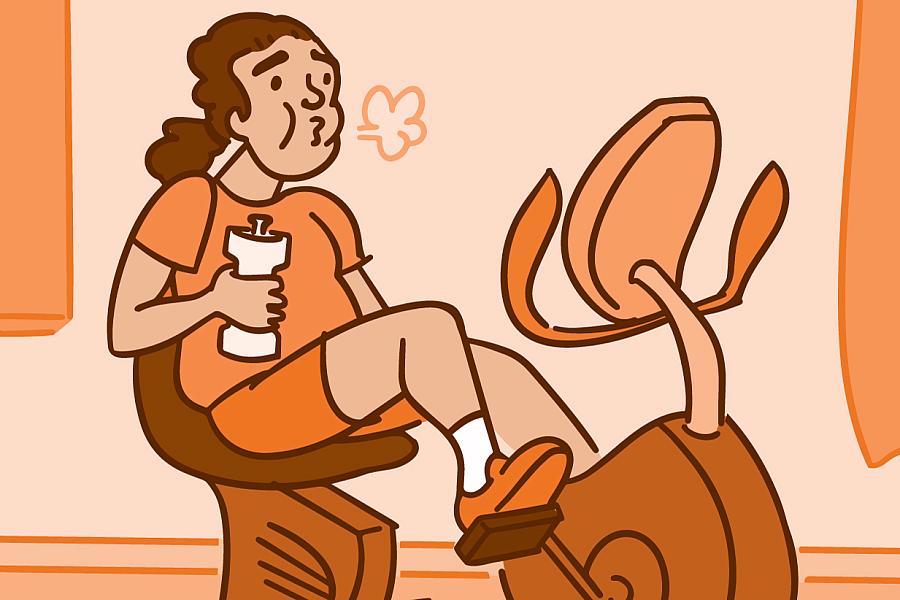
Stahl’s study helped older grieving adults rebuild regular routines around sleep, meals, and physical activity. These three healthy habits are often disrupted after a loved one dies. The online program provided daily digital check-ins and health coaching. Even without in-person contact, participants showed real improvements in their depression and anxiety symptoms.
“Focusing on simple, healthy routines is very empowering,” Stahl says. “It helps people work through their grief by taking care of themselves.”
Sleep plays an important role in healing. It supports brain health and helps people process emotions and memories. Stahl’s research suggests that rebuilding healthy sleep habits may be one of the most important things a grieving person can do for their health and well-being.
Feeling Stuck
Most people adapt to loss over time. But some people get stuck in their grief for much longer. They can develop a condition called Prolonged Grief Disorder, or PGD.
People with PGD feel intense grief for more than a year after a loss. They may think constantly about the person who died, feel unable to connect with others, or believe the future holds nothing for them. Unlike normal grief, these feelings do not ease with time and can make it difficult to get through the day.
Dr. Holly Prigerson, a social scientist at Weill Cornell Medicine, spent years working to get PGD formally recognized. Her research showed that this form of grief is distinct from depression and requires its own approach to care.
“Before PGD was formally recognized, many grieving people were misunderstood or misdiagnosed,” Prigerson says. “We didn’t invent a new problem. We gave a name to something people have been struggling with for centuries.”
Risk factors for PGD include losing someone who was central to your identity, a history of depression or anxiety, social isolation, financial hardship, and sudden or traumatic loss. Parents who lose a child and isolated older spouses also face higher risk.
“The term ‘prolonged grief disorder’ doesn’t mean that grief that continues beyond one year is, by itself, a disorder,” says Lichtenthal. “The concern is when grief remains so intense, persistent, and disruptive that a person feels unable to re-engage with life.”
What Can Help
There are many things you can do to support healthy grieving for yourself and others. One of the most important is to give yourself or your loved one permission to grieve. Trying to push grief away often makes it harder, not better.
Being flexible in how to cope also matters. There is no one strategy that works for everyone or every moment. Sometimes talking helps. Sometimes a walk, a regular routine, or quiet time is what you need. Try different things, notice what helps. If it’s not, be willing to try something else.
When supporting someone who is grieving, let them know you are there for them. Keep checking in. Respectfully acknowledge their loss and show empathy. Use phrases like, “I know I can’t fully understand what you’re going through, but I’m here for you.” Avoid phrases that minimize the loss, like “Everything happens for a reason.” It can be especially helpful to offer support like bringing meals, helping with errands, remembering important dates, or continuing to reach out over time, not just after the initial loss.
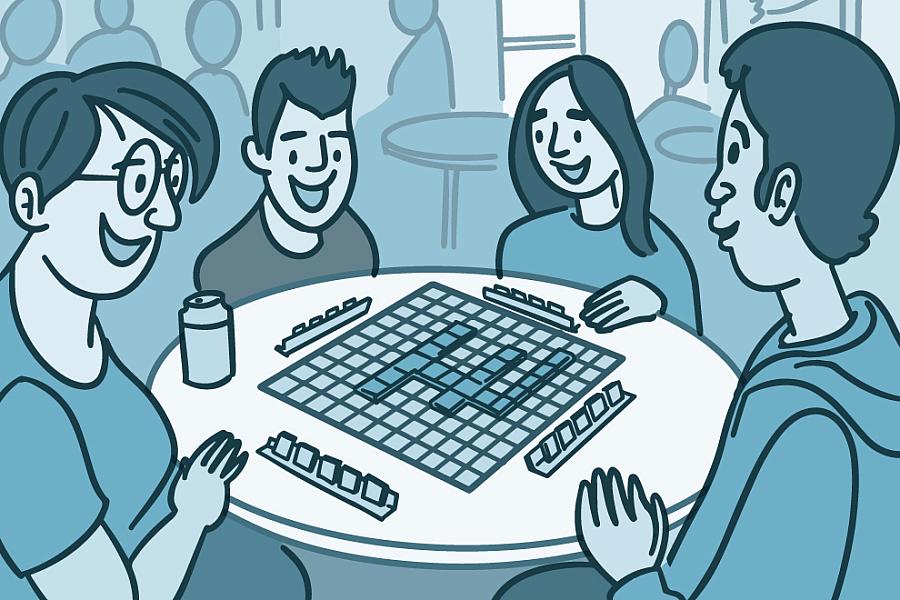
Prigerson’s current work focuses on social connection to help with grief. It uses an online tool to match people who are grieving with others who share similar experiences. “Sometimes the most powerful support comes from someone who has walked the same path,” Prigerson says.
Not everyone needs professional counseling for grief. Many people find their way through with the support of family, friends, faith, or other sources of connection. But if you’re feeling “stuck” after a significant loss, or if your grief is making daily life difficult, talk with your doctor or a licensed counselor who specializes in grief.

NIH Office of Communications and Public Liaison
Health and Science Publications Branch
Building 31, Room 5B52
Bethesda, MD 20892-2094
Contact Us:
[email protected]
Phone: 301-451-8224
Share Our Materials: Reprint our articles and illustrations in your own publication. Our material is not copyrighted. Please acknowledge NIH News in Health as the source and send us a copy.
For more consumer health news and information, visit health.nih.gov.
For wellness toolkits, visit www.nih.gov/wellnesstoolkits.