
A monthly newsletter from the National Institutes of Health, part of the U.S. Department of Health and Human Services
NIH Websites Are Changing
NIH is moving the launch of its new website to the fall to ensure the best possible experience for everyone who relies on our websites for health information, research, funding opportunities, and other resources.
Coping With Chemo
The Side Effects of Cancer Treatment

Cancer cells multiply in an uncontrolled way, making them difficult for your body to stop. Chemotherapy, or chemo for short, uses drugs to kill cancer cells or stop them from growing. These drugs usually target cells that are growing quickly. Normal body cells can also get caught in the crossfire of many chemotherapy drugs, causing unwanted side effects. Scientists are finding ways to lessen chemo’s impact on your body.
Most of the cells in your body divide and multiply into new cells. Your body needs new cells to replace old or damaged ones. Some of the body’s healthy cells multiply frequently, like those that line the intestines and those involved in hair growth. Chemotherapy drugs can kill these cells, too.
Chemo can have a range of unwanted side effects. Common ones include nausea and vomiting, mouth sores, fatigue, and hair loss. Which side effects a person with cancer has depends on many things. These include the type of cancer being treated and which chemotherapy drug is used.
Chemo can reduce your white blood cell count. These cells help your body fight off infections and disease. Fewer white blood cells can lead to a higher risk of infections. Some chemotherapy drugs can cause nerve damage called chemotherapy-induced peripheral neuropathy (CIPN). This leads to pain, tingling, numbness, and loss of balance.
“Chemotherapy does work,” explains Dr. Ting Bao, a cancer specialist at the Dana-Farber Cancer Institute. “There are side effects, but they are becoming more and more manageable.”
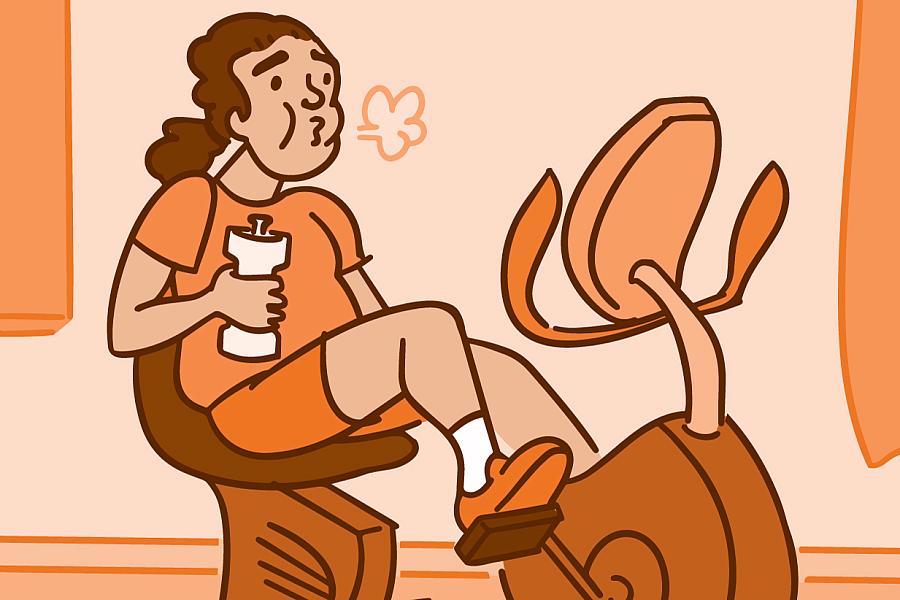
Antinausea drugs can help with nausea and vomiting. Changes to your diet can help to manage nausea, fatigue, and mouth sores. Physical activity and healthy sleep habits can help combat fatigue. Medications may also be available for some kinds of pain caused by chemo. For CIPN pain, however, there are very few options. Your doctor can recommend what may work for you based on your symptoms.
Researchers are looking for new ways to reduce the side effects of chemo. Studies suggest that acupuncture may help relieve nausea and vomiting. This ancient practice uses thin needles to stimulate specific points on the body. Scientists are also testing herbal remedies, like ginger, to see if they help with nausea.
Bao is testing acupuncture and yoga for treating CIPN. Yoga combines physical postures, breathing techniques, and meditation.
“These ancient modalities intrigue me because they don’t have much side effects,” Bao says. “For acupuncture, the most common side effects are a little bruising and bleeding. And for yoga, joint and muscle pain.”
Her recent studies suggest that these techniques could help ease some of the symptoms of CIPN. She now has larger trials ongoing.
Other research teams are trying to understand the molecular underpinnings of CIPN and testing drugs that target them.
If you’re preparing for chemo, ask about possible side effects. Your doctor can help you make a management plan. Most cancer centers offer treatment education sessions. These sessions provide information about expected side effects. Patient support groups are also available to help you navigate cancer treatment.


NIH Office of Communications and Public Liaison
Health and Science Publications Branch
Building 31, Room 5B52
Bethesda, MD 20892-2094
Contact Us:
[email protected]
Phone: 301-451-8224
Share Our Materials: Reprint our articles and illustrations in your own publication. Our material is not copyrighted. Please acknowledge NIH News in Health as the source and send us a copy.
For more consumer health news and information, visit health.nih.gov.
For wellness toolkits, visit www.nih.gov/wellnesstoolkits.