
A monthly newsletter from the National Institutes of Health, part of the U.S. Department of Health and Human Services
NIH Websites Are Changing
NIH is moving the launch of its new website to the fall to ensure the best possible experience for everyone who relies on our websites for health information, research, funding opportunities, and other resources.
Protect Your Bone Health
Getting Ahead of Osteoporosis
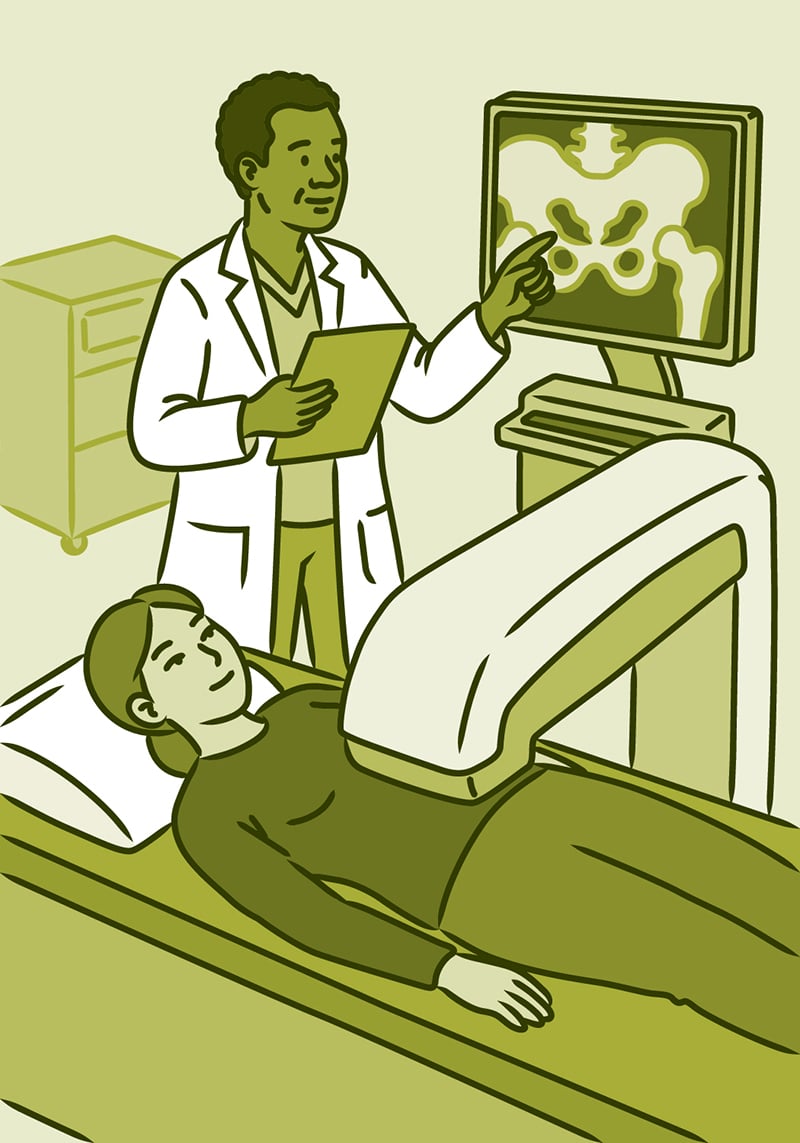
If our bodies were a house, our bones would be the structure. When that structure weakens, daily activities like walking, going up stairs, or even doing the laundry can become difficult. That’s why it is important to protect our bones as we age.
Strong bones begin in early childhood. Our bodies use the nutrients and minerals from our diets to build bone density. As we age, we absorb fewer minerals, and we begin to lose A measure of the amount of minerals contained in a certain volume of bone. bone density. This raises the risk of osteoporosis.
Osteoporosis is a disease where bones weaken to the point that they can break easily. It can develop when your bone density drops too low. It can also change the structure of your bones. Many people don’t know they have osteoporosis until a bone breaks. It is one of the leading causes of fractures in women after menopause and older men. Most breaks occur in the hip, spine, and wrist.
“Osteoporosis is often misunderstood as just a women’s issue,” says Dr. Madhumathi Rao, a physician and bone health researcher at the University of Kentucky. But osteoporosis affects men and women. Many things can increase your risk, including your age, family history,diet, and certain medicines.
“There are so many causes for osteoporosis and so many conditions that can lead to bone loss, too,” Rao explains.
Women face a higher risk of osteoporosis because they naturally lose estrogen with age. Estrogen helps protect bones by controlling the cells that break bone down. When estrogen drops during menopause, women may lose more bone than they build. In men, osteoporosis is often linked to certain diseases or long-term use of medicines that can cause bone loss.
When bone density is lower than normal but less severe than osteoporosis, it’s called osteopenia. It can be an early warning sign of osteoporosis. Not everyone who has osteopenia will develop osteoporosis, but osteopenia can still increase the risk for fractures. Learning about bone loss early can help you take steps to prevent it from getting worse.
Doctors measure bone density using a test called a DXA scan. The scan can determine if your bone density is lower than average for your age. Routine scans are recommended for women 65 and older. A doctor may recommend testing earlier if you have other risk factors. These can include previous falls and underlying conditions like thyroid issues or rheumatoid arthritis. Taking certain drugs, such as corticosteroids, can also cause bone loss.
The DXA scan helps doctors determine if you have osteoporosis or osteopenia. Doctors may also do a fracture risk assessment. They use the test results together with clinical risk factors to estimate how likely you are to experience a fracture with minor trauma. To treat these conditions, doctors usually prescribe medicines that improve bone density.
Osteoporosis can be caused by the breakdown of bone, but this is not the only cause. Not building enough new bone can also contribute. Medicines that slow the breakdown of bone are often what doctors prescribe. Rao’s team is studying whether targeting the cause of bone loss could better treat osteoporosis. Her team is testing if bone-forming drugs might work better for certain patients.
While some bone loss is normal with age, you can take steps today to help maintain healthy bones.
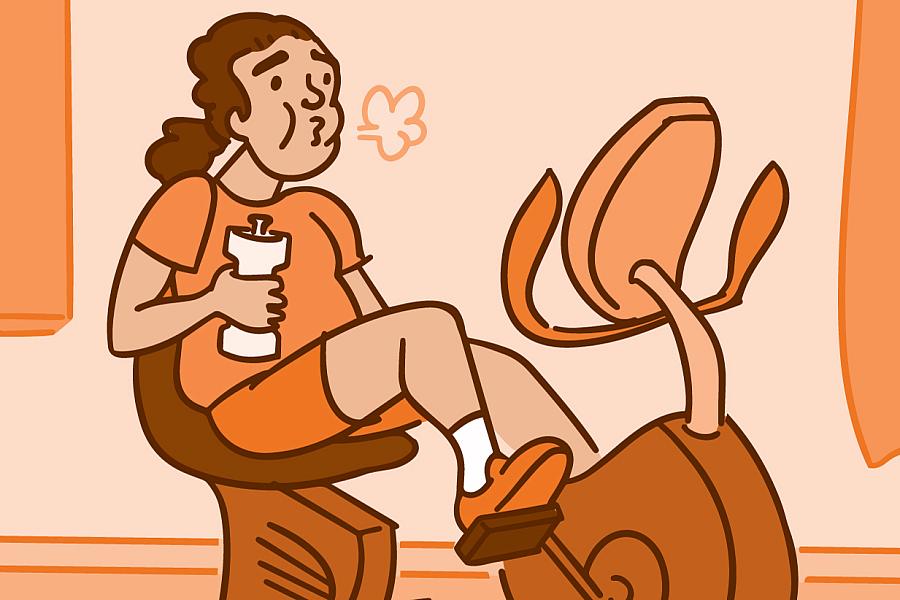
“Regular physical activity, especially weight-bearing exercise and resistance training, is probably the secret to maintaining your bone health,” says Rao. She also recommends getting enough protein, calcium, and vitamin D in your diet.

NIH Office of Communications and Public Liaison
Health and Science Publications Branch
Building 31, Room 5B52
Bethesda, MD 20892-2094
Contact Us:
[email protected]
Phone: 301-451-8224
Share Our Materials: Reprint our articles and illustrations in your own publication. Our material is not copyrighted. Please acknowledge NIH News in Health as the source and send us a copy.
For more consumer health news and information, visit health.nih.gov.
For wellness toolkits, visit www.nih.gov/wellnesstoolkits.