
A monthly newsletter from the National Institutes of Health, part of the U.S. Department of Health and Human Services
Search

Fewer Newborns Receiving Protective Vitamin Shot
… they don’t start making it until they begin eating solid foods. Most babies born in the U.S. get a vitamin K shot after birth. Without it, babies are at risk of bleeding in the brain and the … a serious condition that can lead to death. But a recent study found that the number of babies getting the shot is declining. Researchers looked at more than 5 million babies born in the U.S. …

Preventing Falls
… injured. People with weak bones are more likely to break a bone during a fall. As you get older, your bones become less dense. They get thinner and more spongy. If that goes too far, it’s called osteoporosis. Osteoporosis makes … bones fragile. Having enough calcium and vitamin D can help keep your bones strong. So can getting treatment for osteoporosis if needed. Other risk factors include finding it challenging …
Healthy Eating Special Issue
… goals in … NIH News in Health’s … special issue on healthy eating. Eating well, along with getting enough physical activity, can help you lower your risk of heart disease, diabetes, … can be confusing. Still, the basic ideas have been consistent over time. Healthy eating means getting a variety of foods, limiting certain kinds of carbs and fats, watching out for salt, and …

What Is Menopause?
… Menopause is the time when a woman’s menstrual periods stop for good, and she can no longer get pregnant. You’ve reached menopause when you haven’t had a period for one year. It’s a normal … and family history. Learn more about the changes that happen during the menopausal transition. Get links to more information , including videos and shareable infographics. …

Opportunities Abound for Moving Around
… up and move around. In suburban neighborhoods, people often have to drive rather than walk to get to grocery stores, shops, and even public transportation. “Our environments have become less … affect how active we are each day.” Having places to walk and have fun can help more people get moving and active. “It’s not just dangerous neighborhoods, broken streets, and crime that can … in Philadelphia, Glicksman says, “we wanted people to garden to help them eat fresh foods and get them out and moving in the nice weather.” When younger adults joined in as well, the gardens …
What is Psoriatic Arthritis?
… system (immune system) attacks your own body by mistake. If you have psoriasis, you may get another disease called psoriatic arthritis. Psoriatic arthritis causes your joints to swell … them. The areas affected may also appear larger and turn red and warm. You are more likely to get psoriatic arthritis if you have a family member with psoriasis or arthritis. Sometimes an …
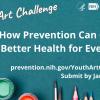
Enter NIH’s Youth Art Challenge on Prevention
… How Prevention Can Create Better Health for Everyone .” Prevention means taking steps to avoid getting sick or injured, instead of treating health problems after they happen. Prevention can include actions like eating healthy foods or getting a flu shot. It can also mean making changes to the environment, such as creating a …

What Is ADHD?
… of these. Some adults with ADHD are not diagnosed until later in life. They may have trouble getting organized, completing projects, or keeping appointments. It’s never too late to get diagnosed and treated for ADHD. Learn more about ADHD. …

Many Types of Exercise Can Lengthen Older Adults’ Lives
… Getting enough physical activity is vital for your health at any age. Guidelines recommend that adults get at least 150 minutes (or two and a half hours) of moderate exercise each week. But does it …

Living With Scoliosis
… causes the spine to curve. It can result in an abnormal s-shaped or c-shaped curve. Anyone can get scoliosis. But it’s most common in children age 11 and older. Many children and teens with … from a doctor. Some children and teens may need to wear a brace to keep the curve from getting worse. Physical therapy can help strengthen muscles. In some severe cases, surgery may be …
NIH Office of Communications and Public Liaison
Health and Science Publications Branch
Building 31, Room 5B52
Bethesda, MD 20892-2094
Contact Us:
[email protected]
Phone: 301-451-8224
Share Our Materials: Reprint our articles and illustrations in your own publication. Our material is not copyrighted. Please acknowledge NIH News in Health as the source and send us a copy.
For more consumer health news and information, visit health.nih.gov.
For wellness toolkits, visit www.nih.gov/wellnesstoolkits.