
A monthly newsletter from the National Institutes of Health, part of the U.S. Department of Health and Human Services
Search

Fun Summer Days
… the most of the summer months. “When the weather is nice, there are more opportunities for getting outdoors and having fun with your family and incorporating exercise into day-to-day … dizziness, muscle spasms and fatigue. If you suspect someone is suffering from hyperthermia, get the person out of the sun and into a cool place. Offer fluids, preferably water. Urge the … is an especially dangerous form of hyperthermia. It can be life threatening, so you need to get medical help right away. A person with heat stroke has a body temperature above 104° and …

Autism Spectrum Disorder
… others. They’re also looking for ways to identify who’s at risk earlier on. That way kids can get help as early as possible. … Early Detection … Diagnosing ASD can be difficult. There are no … “If you can identify children at risk, you can follow their development more closely and get them into a very early intervention program that can work to hopefully minimize that risk,” … recruiting infants from families with autism to participate. … Innovative Interventions … Getting treatment as early as possible may help change the way a child develops. “In early …
Be a Citizen Scientist
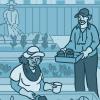
… everyone.” To join … All of Us … , you complete an online consent form and surveys. You can get more involved by agreeing to share data from your electronic health records. You may be … how much information you’re willing to share. One benefit of joining is you can choose to get information about your own health. You might learn more about your genes or disease risk. … test several times. The gathered data may help scientists find ways to protect memory as we get older. “ Eyewire ” is an online puzzle game that’s somewhat like a 3D coloring book. Players …
Advances in Childhood Cancer
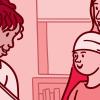
… Children often get bumps, bruises, sneezes, and sniffles. It doesn’t seem like they could get something as scary … before. And a better understanding of the disease means that more children with cancer are getting personalized treatments. … Treating Childhood Cancer … Cancer isn’t just one disease. … Less is More … Personalizing treatment can also mean adjusting the amount of therapy a child gets. That often means a lower risk of side effects. For some cancer types, researchers can …
To Heal a Wound
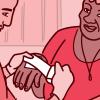
… You’ve likely had countless cuts and scrapes in your life. Normally, when you get a small skin wound, your body can repair it quickly. But sometimes, the repair process … Wounds that don’t heal for three months or more are called chronic wounds. Your risk for getting a chronic wound increases with age. But there are ways you can help your body to heal. … Rebuilding Skin … When you have an open wound, blood can get out of the body, and germs can get in. “So the body’s goal is to seal that wound as quickly …

Addressing Childhood Obesity
… uses. So it’s important for kids to choose both healthy foods and appropriate portion sizes. Getting enough physical activity helps their bodies use more of the calories they take in. … by modeling these behaviors themselves. But helping kids keep up with healthy habits can get harder as they age. “When kids are really young, all they want to do is run around,” Epstein … explains Dr. Sarah Armstrong, a pediatrician at Duke University. “You need at least 26 hours of intensive face-to-face nutrition and physical activity guidance for a child over [a] …
Detecting Language Difficulties
… ways to boost their learning. They’re also trying to identify kids with DLD earlier to get them support sooner. … Noticing Signs … Late talking can be one of the earliest signs of DLD. … is the problem with written language. DLD is a problem with oral language. Often, once a child gets the dyslexia label, they’re never tested for oral language. There is a difference between … reading and writing get more complex in school. “More severe DLD could mean having difficulty getting your basic needs met because you can’t express them,” she adds. “Language differences can …

Manage Stress and Build Resilience
… care of yourself part of your daily routine. Work in time to exercise, eat healthy foods, and get good quality sleep. This will help make you more resilient to life’s stresses. Experts also … enjoy some music or catch up on a podcast. Practice reframing the situation and you’ll likely get better at it over time. Finally, if stress is affecting your well-being, talk to a health …

Helping a Child Who Is Overweight
… type 2 diabetes. Genes and family history can affect a child’s weight. Other factors include getting too little physical activity or having too many high-calorie foods and drinks. Not getting enough sleep and too much screen time may also contribute to excess weight. Adopting …

Step-by-Step Guide to Advance Care Planning
… As we get older, it’s important to plan for future decisions about medical care. And it’s a good idea … can’t make your own decisions about emergency care. Research shows that you’re more likely to get the care you want if you’ve discussed your future medical care and put a plan in place. It …
NIH Office of Communications and Public Liaison
Health and Science Publications Branch
Building 31, Room 5B52
Bethesda, MD 20892-2094
Contact Us:
[email protected]
Phone: 301-451-8224
Share Our Materials: Reprint our articles and illustrations in your own publication. Our material is not copyrighted. Please acknowledge NIH News in Health as the source and send us a copy.
For more consumer health news and information, visit health.nih.gov.
For wellness toolkits, visit www.nih.gov/wellnesstoolkits.