
A monthly newsletter from the National Institutes of Health, part of the U.S. Department of Health and Human Services
Search
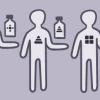
Cancer Care Gets Personal
… Last year more than 1.7 million people were diagnosed with cancer in the United States. Cancer can be difficult to treat because each tumor is unique. Scientists … a better understanding of the changes that lead to cancer—and figuring out how to target them for personalized treatments. “Cancer treatment is changing at a very fast pace,” says Dr. Patricia M. LoRusso, an NIH-funded cancer treatment expert at Yale Cancer Center. “What somebody got a year ago may not …
Herpes Can Happen to Anyone
… with herpes infection don’t even know it. They may not have symptoms or not notice them. For people who do have symptoms, a herpes infection may show up as one or more blisters. These … to heal. Once someone is infected with herpes simplex, the virus goes into hiding and stays in the body for the rest of their lives. The virus can re-emerge at any time and cause an … is particularly important to treat,” says Dr. Jeffrey I. Cohen, a herpes infection expert at NIH. That’s because the first outbreak is often the most severe. In addition to sores, you may …

The Biology of Breast Milk
… You may have heard that breast milk is best. But what makes it so good for babies? Breast milk fills your baby’s health needs. Researchers are now learning more about what’s in it and how it changes as babies grow. “Breastfeeding is the gold standard for feeding infants,” says Dr. Dan Raiten, an NIH expert on childhood nutrition. Human milk provides nutrients and other compounds that babies …

Feeling Fatigued?
… conditions like [qtip:anemia|A condition caused by low levels of red blood cells or hemoglobin in the blood. It can cause fatigue, dizziness, and headaches.] or heart disease. Overall, it … in starting or continuing an activity,” says Dr. Vicky Whittemore, who is involved in NIH’s fatigue-related research programs. “It can involve the perception that the effort to … depression or anxiety, and more. Because it has so many possible causes, it can be hard for doctors to diagnose the origins of someone’s fatigue. This can make it difficult to develop …

Having Kids Later in Life
… have kids. You may want to focus on your career. Or save some money first. About 20% of women in the U.S. now have their first child after age 35. You may have heard that getting pregnant can be more difficult as you age. Or that it’s riskier for both the mom’s and the baby’s health. While these can be issues when having children later in … fertilize and divide normally and turn out to be an embryo,” explains Dr. Alan Decherney, an NIH fertility expert. After age 30, a woman’s fertility decreases every year. The number and …

Discover Herbal Products
… the uses, effectiveness, and possible side effects of herbal products before you try them. NIH’s new app, “HerbList,” has the herb info you need in an on-the-go package. Use the app to explore what the science says about over 50 common herbs … may arise, side effects, and links to more information. You can also save your favorite herbs for easy recall or offline access. There are many popular herbs and herbal supplements to …

Inspire Others to Move More and Eat Better
… women have a high risk of being overweight. The “Sisters Together” program was developed by NIH and other experts, along with black women in the Boston area who volunteered to help. The program encourages black women to get physically … You’ll find lots of ideas and tips. The guide includes examples of activities that have worked for other community program leaders. Sample fliers, fact sheets, emails, and messages for social …
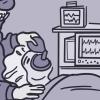
Going Under
… Local anesthesia numbs a small part of the body, such as a tooth. Regional anesthesia is used for larger areas of the body such as an arm, a leg, or everything below the waist. People remain … feel pain or move. It’s used for long or invasive procedures. Every year, millions of people in the nation undergo general anesthesia. “Doctors and nurses have used general anesthesia for over 170 years,” explains Dr. George Mashour, an NIH-funded anesthesia expert at the University of Michigan. Since that time, new drugs and …

Care and Connection
… making and keeping the relationships that sustain us. Many Americans report feeling lonely for long periods of time. Connections with others are important for your health. Social isolation … there or not. Being lonely is about not feeling connected to others. You can feel lonely in a room full of people,” explains Dr. Steve Cole, an NIH-funded researcher at the University of California, Los Angeles, who studies loneliness. …

Smelling Sickness
… on the teeth and tongue,” explains Dr. Madeleine S. Deming, an internal medicine expert at the NIH Clinical Center. It’s normal if your breath smells a little in the morning, especially if you slept with your mouth open. A dry mouth allows bacteria to … have sulfur. These compounds are especially stinky. They can smell like rotten eggs or onion, for example. If bad breath isn’t cleared up by brushing your teeth or using mouthwash, it may be …
NIH Office of Communications and Public Liaison
Health and Science Publications Branch
Building 31, Room 5B52
Bethesda, MD 20892-2094
Contact Us:
nihnewsinhealth@od.nih.gov
Phone: 301-451-8224
Share Our Materials: Reprint our articles and illustrations in your own publication. Our material is not copyrighted. Please acknowledge NIH News in Health as the source and send us a copy.
For more consumer health news and information, visit health.nih.gov.
For wellness toolkits, visit www.nih.gov/wellnesstoolkits.