
A monthly newsletter from the National Institutes of Health, part of the U.S. Department of Health and Human Services
Search

Teens Taking Charge of Their Health
… Becoming a teen means taking more responsibility for decisions about your body and health. It’s important to understand how your body works and … of your plate fruits and vegetables. Teens need more of certain nutrients like calcium found in milk, yogurt, and cheese—and vitamin D, found in dairy, fortified cereals, and tuna. It’s a … also affect your mood and how you grow. Instead, try to make small changes you can stick to. NIH has online resources to help you reach and stay at a healthy weight. Regular exercise is also …

Improving Care Through Telehealth
… Technology can be especially valuable for people in remote areas or places with few medical professionals. Using portable devices, … dementia leaves the house. These are all examples of how telehealth is changing medical care. NIH researchers have been developing new ways to help treat patients where they live. For …
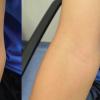
Bacteria Treatment Improves Children’s Eczema
… from an experimental treatment with live bacteria. The treatment improved skin symptoms in children as young as three years old. Eczema can cause dry, itchy skin and rashes. Studies … of bacteria than those with healthy skin. Researchers tested live bacteria as a treatment for eczema. They used bacteria found naturally on the skin called … Roseomonas mucosa … . Twenty … the bacteria stayed on the skin and continued to provide benefit after therapy stopped,” says NIH researcher Dr. Ian Myles, who led the study. The treatment is now being further studied in a …

Postpartum Depression May Last for Years
… study found that a large number of women had high levels of depressive symptoms at some point in the three years after giving birth. Researchers asked more than 4,500 women about their … over time. About 5% of women experienced high levels of depressive symptoms that stayed high for three years. Women who had a previously diagnosed mood disorder were the most likely to have … study indicates that six months may not be long enough to gauge depressive symptoms,” says NIH scientist Dr. Diane Putnick, who led the study. “These long-term data are key to improving …

Weight Loss Helps Knee Arthritis
… obese to lose at least 10% of their weight to reduce symptoms of knee arthritis. Recently, an NIH-funded research team wondered whether 20% weight loss would help reduce symptoms even more. … those who lost 5%. The people who lost 20% or more reported less pain. They could walk farther in a 6-minute test. In addition, blood tests revealed a much lower level of a substance related … at Wake Forest University. The researchers are planning to enroll three times as many people for their next study of pain reduction from diet and exercise. …

Intermittent Fasting and Type 2 Diabetes
… Around 1 in 10 Americans live with type 2 diabetes. In this disease, levels of blood glucose, or blood sugar, stay too high for too long. Diabetes can lead to serious health issues. Weight loss is often recommended for … is a common weight-loss strategy. But many people find it hard to cut back on calories. An NIH-funded research team tested a different strategy. It’s called time-restricted eating, or …

Green Spaces May Improve Kids’ Mental Health
… Mental health problems affect millions of children in the U.S. Some studies have found that people with access to parks and other green spaces tend … found that kids ages 2 to 5 who lived near green areas had fewer mental health symptoms. For some symptoms, like anxiety or depression, the links were strong after accounting for other … of the University of North Carolina at Chapel Hill, who led the team of researchers from NIH’s Environmental Influences on Child Health Outcomes (ECHO) Program. “It also suggests that …

Step-by-Step Guide to Advance Care Planning
… As we get older, it’s important to plan for future decisions about medical care. And it’s a good idea to discuss those decisions with … likely to get the care you want if you’ve discussed your future medical care and put a plan in place. It may also help loved ones with their grief and to feel less burden and guilt. NIH has created a seven-week email series to help older adults and caregivers create an advance …
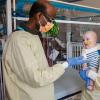
Baby With Rare Disease Gets Personalized Gene Therapy
… Scientists have found ways to fix faulty genes for some common genetic disorders. These include sickle cell disease, various blood disorders, … severe skin condition. But treating rarer genetic conditions has been more challenging. A new NIH-funded study used a personalized gene-editing approach in a baby born with a rare, often deadly disorder. The baby had a disease called CPS1 deficiency. …
A Priceless Gift: Your Family Health History
… Conditions such as cancer, heart disease, and diabetes often run in families. Tracing the illnesses of your parents, grandparents, and other blood relatives can help your health care practitioner predict your risk for specific disorders. It could suggest vital screening tests and treatments before any disease … to identify and possibly fix the gene glitches that raise a person’s risk for diseases. NIH is now working on technology that will help doctors quickly create a health plan based on a …
NIH Office of Communications and Public Liaison
Health and Science Publications Branch
Building 31, Room 5B52
Bethesda, MD 20892-2094
Contact Us:
nihnewsinhealth@od.nih.gov
Phone: 301-451-8224
Share Our Materials: Reprint our articles and illustrations in your own publication. Our material is not copyrighted. Please acknowledge NIH News in Health as the source and send us a copy.
For more consumer health news and information, visit health.nih.gov.
For wellness toolkits, visit www.nih.gov/wellnesstoolkits.