
A monthly newsletter from the National Institutes of Health, part of the U.S. Department of Health and Human Services
Search

Opportunities Abound for Moving Around
… live, work, or go to school, you can find ways to move more and sit less throughout your day. In addition to helping your health, you might have fun without spending a lot of money. Moving more and sitting less can reduce your risk for many serious conditions, including heart disease, diabetes, [qtip:osteoporosis|A disease in … we more active? “Lack of time is a common reason for not exercising,” says Dr. Mary Evans, an NIH expert on physical activity and nutrition. “Another important factor is location—having safe …
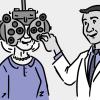
Your Aging Eyes
… You may barely notice the changes at first. Maybe you’ve found yourself reaching more often for your glasses to see up close. You might have trouble adjusting to glaring lights or reading … But you can take steps to protect your vision and reduce your risk for serious eye disease in the future. Effective treatments are now available for many disorders that may lead to … thinking your arms just aren’t long enough,” says Dr. Emily Chew, a clinical researcher at NIH’s National Eye Institute. “A good and simple treatment for presbyopia is reading glasses.” …

Headache Pain
… us get headaches from time to time. Some are mild. Others cause throbbing pain. They can last for minutes or days. There are many different types of headaches. How you treat yours depends on … might arise because of another medical condition, such as swollen sinuses or head injury. In these cases, treating the underlying problem usually relieves headache pain as well. But most … such as yoga, stretching, massage, and other tension relievers,” says Dr. Linda Porter, an NIH expert on pain research. Migraines are the second-most common type of headache. They affect …

Soothing a Sore Throat
… To soothe your irritated throat, keep it moist. “Ever notice that a sore throat seems worse in the morning? It’s because your throat gets so dry overnight,” says Dr. Valerie Riddle, an infectious disease expert at NIH. “Having lozenges or hard candies—or anything that stimulates saliva production—will keep your throat moist. It’s also important to drink plenty of fluids.” For young children who might choke on hard candies or lozenges, try cold liquids and popsicles. …

Prostate Predicaments
… might find it hard to urinate, have a strong and sudden urge to “go,” be unable to hold it in, or wake up often at night to urinate. These symptoms may signal a bladder issue. But they can also be signs of a prostate problem. Identifying the right condition is key for treatment and symptom control. The prostate gland tends to get larger as men get older. This … tract symptoms related to BPH,” says Dr. Ziya Kirkali, a prostate disorder specialist at NIH. “This number gets to about 90% in men aged 80 years or older.” Some men eventually find …

Herpes in Hiding
… only mild ones, you can still transmit the virus to others. Herpes simplex virus (HSV) comes in 2 forms. The most common, HSV-1, is best known for causing cold sores or fever blisters on the face, especially on the lips and mouth. But HSV-1 … of their lives,” says Dr. Carolyn Deal, who heads the sexually transmitted diseases branch at NIH. Symptoms may first appear about 2 weeks after infection. After that, the herpes virus goes …

Summer Swimtime
… Summer is a great time to go out and have fun in the water. But recreational waters—including swimming pools, lakes and oceans—can sometimes … people don’t even realize that they got sick from swimming, because it can take 1 to 3 days for symptoms to appear. Most of these illnesses aren’t dangerous, and they go away in a few days. … water that’s released to beach areas is extremely contaminated,” says Dr. Sandra McLellan, an NIH-funded researcher at the University of Wisconsin-Milwaukee. Her laboratory tracks the sources …
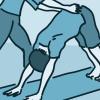
Yoga for Health
… a yoga mat lately? If so, you’re among many who have taken up yoga to relax and stay fit. One in seven adults in the U.S. has practiced yoga in the past year. Yoga may help bring several … yoga can teach you to direct the mind on a single object,” explains Dr. Pamela Jeter, an NIH expert on yoga research. “It’s practicing being aware and present from moment to moment.” … mental health, lose weight, or quit smoking. There’s also evidence that yoga may be helpful for some medical conditions. Yoga may help lessen pain and menopause symptoms. It improved sleep …

Disrupted Speech
… to say. They’re just unable to say it at the rate they would like,” says Dr. Dennis Drayna, an NIH expert on the genetics of communication disorders. Stuttering often involves speech sounds that are repeated or held for too long—often when starting words or sentences. It affects about 1 in 20 children. Most will outgrow the disorder on their own or with the help of a professional …

Communication Breakdown
… think, and need. Losing the ability to communicate can be devastating. But that’s what happens in a condition called aphasia. Aphasia occurs when a part of the brain that helps process … U.S. develop aphasia every year. Different types of aphasia affect language in different ways. For example, people with Wernicke’s aphasia can still speak. But they produce long sentences that … located in just one place in the brain. It’s really distributed,” says Dr. Leora Cherney, an NIH-funded aphasia researcher at the Shirley Ryan AbilityLab. That’s helpful for recovery because …
NIH Office of Communications and Public Liaison
Health and Science Publications Branch
Building 31, Room 5B52
Bethesda, MD 20892-2094
Contact Us:
nihnewsinhealth@od.nih.gov
Phone: 301-451-8224
Share Our Materials: Reprint our articles and illustrations in your own publication. Our material is not copyrighted. Please acknowledge NIH News in Health as the source and send us a copy.
For more consumer health news and information, visit health.nih.gov.
For wellness toolkits, visit www.nih.gov/wellnesstoolkits.