A monthly newsletter from the National Institutes of Health, part of the U.S. Department of Health and Human Services
Site Menu
NIH Websites Are Changing
NIH is moving the launch of its new website to the fall to ensure the best possible experience for everyone who relies on our websites for health information, research, funding opportunities, and other resources.
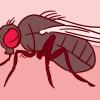
… around picnics, and in garbage? But before you give them a swat, take a moment to be thankful for the common fruit fly. These pests have given scientists surprising insights into how the … up, nerve cells can break down and holes can develop in the fly brain. Her team is working to better understand this process. Their findings could give new insights into Alzheimer’s and …
… You’ll find lots of ideas and tips. The guide includes examples of activities that have worked for other community program leaders. Sample fliers, fact sheets, emails, and messages for social media are all included. Although the program was tailored for black women, others can also benefit from these messages about physical activity and healthy …
… For some people, a glass of wine, a beer, or a cocktail is an occasional treat. Others struggle … no more than two drinks per day, and women to no more than one drink per day. Drinking less is betterfor your health than drinking more. “And you aren’t supposed to save those up and drink … be prescribed by a physician. Some people may benefit from family counseling to help repair relationships damaged by alcohol use, Diazgranados says. Other types of therapy, such as …
… like a major accident, assault, or natural disaster can cause severe stress . It’s important for your health and well-being to learn how to cope with stress. Researchers are working to … sleep,” says Kiecolt-Glaser. Staying socially connected is important, too. Close personal relationships are key to reducing stress. Reaching out to friends and family by phone, video …
… have to overcome that powerful impulse, he explains. Texting can take your eyes off the road for seconds at a time. In just five seconds, you travel the entire length of a football field at … among 16- to 19-year-olds than any other age group. That’s because some driving skills get better with experience. Teens are also prone to distraction, especially with friends in the car. …
… It can take many years to build up enough basic knowledge to apply what scientists learn to improve human health. “You really can’t understand how a disease occurs if you don’t understand … study cells, genes, proteins, and other building blocks of life. What they find can lead to better ways to predict, prevent, diagnose, and treat disease. … How Basic Research Works … When … mice. Computers can also help answer basic science questions. “You can use computers to look for patterns and to try to understand how the different data you’ve collected can fit together,” …
… NIH researchers have been developing a robotic device to help improve the way children with cerebral palsy walk. Cerebral palsy is a brain disorder that … 30 feet without a walking aid. After putting on the device, six of the seven children were better able to extend their knees. The children used their own muscles while walking with the …
… and switched to bupropion. After 10 weeks, the group that added aripiprazole showed the most improvements. They had a significant increase in well-being compared with the group that switched … who switched to bupropion. “Often, unless a patient responds to the first treatment prescribed for depression, physicians follow a pattern in which they try one treatment after another until … would be beneficial to have an evidence-based strategy we can rely on to help patients feel better as quickly as possible.” …
… Grief is something we all go through. It can follow the death of someone you love, the end of a relationship, or another major loss or life change. While experiencing grief is normal and … Lichtenthal, a clinical psychologist at the University of Miami Health System. “We are wired for connection, so when we lose someone central to our lives, we often respond with distress and … or your loved one permission to grieve. Trying to push grief away often makes it harder, not better. Being flexible in how to cope also matters. There is no one strategy that works for …
… NIH is the driving force behind decades of research advances that have improved health, helped revolutionize science, and serve society more broadly. Learn how NIH turns scientific discoveries into better health for all. Read stories about how NIH has advanced cancer research, vaccines, heart health, mental …
Share Our Materials:
Reprint our articles and illustrations in your own publication. Our material is not copyrighted. Please acknowledge
NIH News in Health
as the source and send us a copy.
For more consumer health news and information, visit
health.nih.gov.