
A monthly newsletter from the National Institutes of Health, part of the U.S. Department of Health and Human Services
Search

Understanding COVID-19
… crown-like spikes on their surface. (Corona means crown.) The viruses use the spikes to help get inside your body’s cells. Once inside, they replicate, or make copies of themselves. … you can do to protect yourself from the virus. … Protecting Yourself … You’re most likely to get COVID-19 through close contact with someone who’s infected. Coughing, sneezing, talking, and … lung disease, and asthma. About 40% of Americans have at least one of these risk factors. … Getting Treatment … Better COVID-19 treatments mean that fewer people now get severely sick if …

Why Tonsillitis Keeps Coming Back
… Some kids get tonsillitis, or infected tonsils, again and again. A new study found that strep, a germ that … in the body by trapping germs that come in through your nose and mouth. When tonsils get infected, they can swell and become painful. Children who get tonsillitis over and over may need to have their tonsils removed. Researchers compared …
Recognizing and Treating Childhood Ear Infections
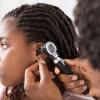
… care provider. The infections can strike at any age, but children are much more likely to get them than adults. In fact, five out of six children will have at least one ear infection by … with fever and pain. One of the best ways to prevent ear infections is to take steps to avoid getting colds or the flu. Encourage your family to wash hands often to prevent the spread of germs. Make sure your child gets the influenza (flu) vaccine each year, and ask your doctor about other vaccines that can …

Protect Yourself From Lyme Disease
… It’s peak tick weather! Ticks get more active when it’s warm outside. Some carry diseases that can be passed on to you through … that can cause serious health problems. Each year, an estimated 300,000 people in the U.S. get Lyme disease. The number of cases has risen dramatically over the last 10 years. Symptoms of … fever, headache, muscle or joint pain, and extreme fatigue. People with Lyme disease usually get an expanding red rash that can resemble a bull’s-eye. If left untreated, the infection can …

Keep an Eye on Your Eyes
… your body,” says NIH eye health expert Dr. Houmam Araj. It’s a convenient way for a doctor to get a clear view of your blood vessels, nerves, and connecting tissue without surgery. Researchers are working on new technologies to help doctors get a better look into the eye and catch diseases earlier. They’re also designing new tools to help people with vision loss get around in their daily lives. … What Doctors See Now … Getting regular eye exams is important, even if you think your vision is fine. Eye exams allow an …

Can You Recognize a Heart Attack or Stroke?
… When it comes to life-threatening conditions like heart attack or stroke, every minute counts. Get to know the signs and symptoms of these health threats. If you think you or someone else might be having a heart attack or stroke, get medical help right away. Acting fast could save your life or someone else’s. Heart disease …

Hidden Hazards
… possible toxins in your home may be concerning. But knowledge can help you take action. … Getting the Lead Out … Lead is a naturally occurring metal. It’s used to make many products, like … chipping or peeling, it’s not likely to create lead dust, says Chen. But paint can sometimes get damaged where you might not see it. Such areas include door frames and window sashes, Chen … compounds that trigger allergies or asthma attacks. Mold can grow in buildings when water gets in, explains Dr. Matthew Perzanowski, an allergy and [qtip:asthma|A chronic lung disease …

Tick Talk
… When warm weather arrives, you might get the urge to walk barefoot through the grass. But before you stroll through your lawn or head … Centers for Disease Control and Prevention (CDC) estimates that as many as 300,000 Americans get Lyme disease each year. Ticks are tiny 8-legged creatures that can be hard to see. Deer … transmit Lyme disease or another infection to you. “Ticks can be so tiny that most people who get Lyme disease don’t recall a tick bite,” says Dr. Adriana Marques, a Lyme disease expert at …

Caring for Concussions
… remembering. Your vision may be blurry. You may also have trouble sleeping or mood changes. Getting treatment is important for recovery from any brain injury. A research team wanted to find out if people were getting follow-up care after a concussion. Their study included more than 800 people diagnosed …

Acne Breakouts
… and swelling can result. That’s how a pimple forms. Doctors don’t know why only some people get acne. They do know what raises the risk for acne. Increases in certain … to signal another part of the body to grow or react a certain way.] can cause oil glands to get bigger and make more oil. These hormone levels go up during puberty. Because of this, acne is … by starting or stopping birth control pills can also trigger acne. But people of all ages can get acne. For most, acne goes away by the time they reach their 30s. However, some people in …
NIH Office of Communications and Public Liaison
Health and Science Publications Branch
Building 31, Room 5B52
Bethesda, MD 20892-2094
Contact Us:
[email protected]
Phone: 301-451-8224
Share Our Materials: Reprint our articles and illustrations in your own publication. Our material is not copyrighted. Please acknowledge NIH News in Health as the source and send us a copy.
For more consumer health news and information, visit health.nih.gov.
For wellness toolkits, visit www.nih.gov/wellnesstoolkits.