A monthly newsletter from the National Institutes of Health, part of the U.S. Department of Health and Human Services
Site Menu
NIH Websites Are Changing
NIH is moving the launch of its new website to the fall to ensure the best possible experience for everyone who relies on our websites for health information, research, funding opportunities, and other resources.
… Drug abuse can be a painful experience—for the person who has the problem, and for family and friends who may feel helpless in the face … During the program, a parenting consultant visits the home to observe the parents’ relationship with their child. Parents complete several questionnaires about their own and their … skills. Children whose parents are in the program have fewer behavioral problems and do better when they get to school. Shaw and his colleagues are now following these children through …
… It turns out that too much salt can lead to a host of health problems. The chemical name for dietary salt, or table salt, is sodium chloride. Since 90% of the sodium we ingest is from … it’s the sodium part most doctors focus on. “The best known effect of sodium on health is the relationship between sodium and blood pressure,” explains Dr. Catherine Loria of NIH’s National … to pay attention to nutrition facts on the labels,” Loria says. “The percent daily value is a better guide than the language that’s used on food labels like ‘low-salt.’ These labels can be …
… Caring for a friend, parent, or other relative who lives far away? If you live an hour or more away, … caregiver. You may be arranging care or helping with bills and paperwork. You could be communicating with health care providers. And you’re probably an important source of emotional support for your friend or relative. Doing all this from afar can be challenging. There are things you …
… Migraine headaches can last for days. Some people have what’s called an aura before migraine pain sets in. Aura can include … trigger pain. The nerve cells that drive migraine pain are known to sit outside the brain. And communication between these nerves and the brain was thought to be blocked by a structure called …
… their new system in two volunteers. Both volunteers had spinal cord injuries that harmed nerve communication between the brain and hand. The researchers placed tiny electrodes into the …
… are not necessarily a sign of alcohol use disorder. But you may want to reconsider your relationship with alcohol. Learn more about blackouts and alcohol . …
… hoping this will eventually help identify people with ALS sooner. Scientists are also looking for ways to better track and treat the disease. … Uncovering Causes … Most cases of ALS are sporadic. That …
… NIH wants to speed up research and improve health. That’s why we’re asking adults to join the All of Us Research Program. We hope … people get sick and others stay healthy, and to learn why some treatments don’t always work for everyone. Having data from a large, diverse group of people could help researchers discover better ways to prevent, treat, and cure disease. It may help them develop new tests to detect …
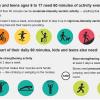
… Are you and your family getting enough exercise? Being active can help you improve your health and feel better. It can lower your blood pressure and reduce your risk of chronic diseases, like type 2 … physical activity you and your family should try to get. The new Physical Activity Guidelines for Americans is based on the latest research on how activity affects health. Adults need at …
… the brain, odors can influence many aspects of our lives, such as memory, mood, and emotion. For thousands of years, fragrant plants have been used in healing practices across many cultures, … Egypt. Aromatherapy, for example, aims to use essential oils from flowers, herbs, or trees to improve physical and emotional well-being. To date, there’s little scientific evidence supporting … Alzheimer’s disease, or multiple sclerosis. Devanand’s group is currently studying the relationships between smell dysfunction and Alzheimer’s disease. If your food doesn’t smell or …
Share Our Materials:
Reprint our articles and illustrations in your own publication. Our material is not copyrighted. Please acknowledge
NIH News in Health
as the source and send us a copy.
For more consumer health news and information, visit
health.nih.gov.