
A monthly newsletter from the National Institutes of Health, part of the U.S. Department of Health and Human Services
NIH Websites Are Changing
NIH is moving the launch of its new website to the fall to ensure the best possible experience for everyone who relies on our websites for health information, research, funding opportunities, and other resources.
Healing Burns
Burn Injury Prevention Starts at Home
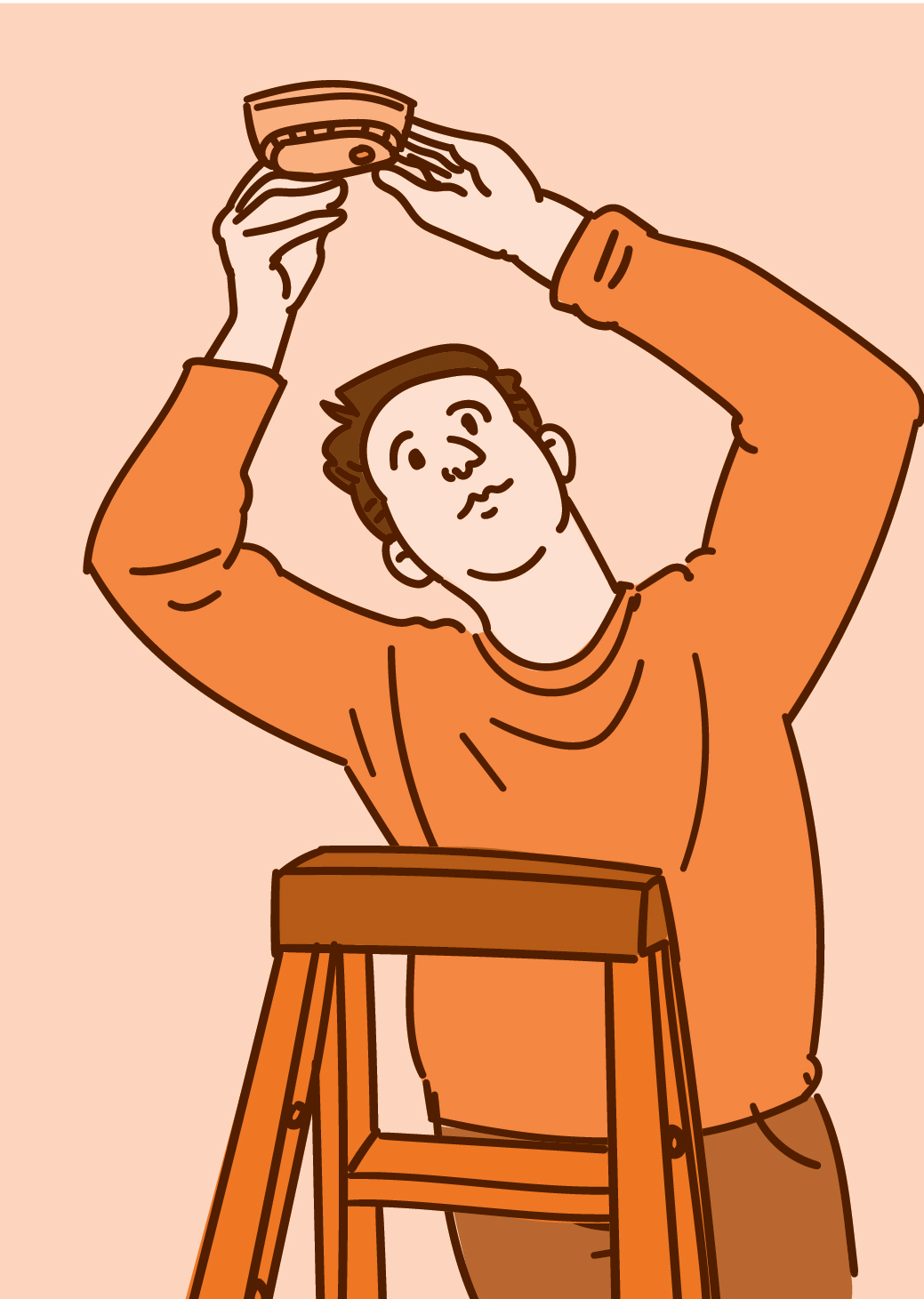
Burns can affect anyone. The consequences can range from mild skin damage to permanent scarring or even death. That’s why it’s important for everyone to know how to prevent burns.
Most burn injuries occur at home. Kitchen fires or other household accidents are common causes. For children, scalds are the leading cause of burn injury. These are caused by steam or boiling water.
Treatment depends on how serious the burn is. A first-degree burn affects only the outer layer of skin, called the epidermis. Sunburns are one example. You can usually treat them at home by cleaning the area and applying lotion to keep it moist.
Second-degree burns are deeper. They affect the second layer of skin, called the dermis. These burns may cause scars or change how the skin feels. Some can be treated with wound care only. This includes washing the wound and covering it with a bandage. Deep second-degree burns may require a surgery called skin grafting. This is where healthy skin is removed from one area of the body and used to cover the damaged area.
Third-degree burns are even deeper. They damage the entire skin down to the fat and nerves beneath the dermis. Fourth-degree burn cases are the most serious. Muscles, tendons, and bones can also be affected. These burns always require medical care. Treatment often includes skin grafting surgery.
Doctors determine how serious a burn is through visual examination. “Burn injuries often worsen after the initial injury, so it can take up to a week to get an accurate assessment,” says Dr. Angela Gibson, a surgeon who specializes in burn care at the University of Wisconsin.
Gibson and her team are studying an imaging technology to help determine how deep a burn is. The tool uses fluorescent dyes to see into the skin. If successful, the tool may help doctors more accurately predict burn depth.
This could allow patients to get the right care sooner. It could also help doctors identify healthy tissue, so they remove only damaged tissue.
“We want to limit the amount of healthy skin we cut away,” Gibson explains. “If you cut away tissue, you must replace it with the patient’s skin. In those cases, we’d like to keep the area where the skin was taken for the skin graft, or donor site, as small as we can.”
Gibson’s lab is also studying bandages that generate tiny electrical signals. These signals tell cells to grow and move to the injured area. This helps new skin form and supports the growth of new blood vessels. The bandages copy the body’s natural electrical activity, which helps burn injuries heal faster.
Traditional electrical stimulation therapy needs an external power source. But the bandages use the body’s movements. Movement creates electricity to power the bandages. This technology is being studied for multiple uses, including wound healing. But it’s still in the early stages and needs more research.
Scientists continue to study new treatment options. But Gibson says prevention is the best defense. She recommends burn prevention education for everyone. Learn ways to help prevent burns at home. See the Wise Choices box for tips.
“A burn injury can happen to anyone,” Gibson says. “Prevention is just as important as knowing how to care for burns.”



NIH Office of Communications and Public Liaison
Health and Science Publications Branch
Building 31, Room 5B52
Bethesda, MD 20892-2094
Contact Us:
[email protected]
Phone: 301-451-8224
Share Our Materials: Reprint our articles and illustrations in your own publication. Our material is not copyrighted. Please acknowledge NIH News in Health as the source and send us a copy.
For more consumer health news and information, visit health.nih.gov.
For wellness toolkits, visit www.nih.gov/wellnesstoolkits.