
A monthly newsletter from the National Institutes of Health, part of the U.S. Department of Health and Human Services
NIH Websites Are Changing
NIH is moving the launch of its new website to the fall to ensure the best possible experience for everyone who relies on our websites for health information, research, funding opportunities, and other resources.
Built to Move
The Benefits of Walkable Communities
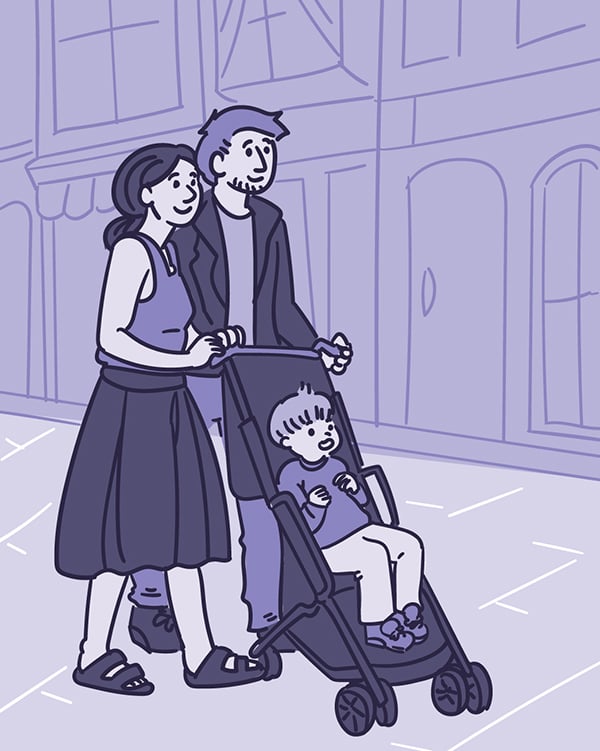
Physical activity is one of the best things you can do for your health, but getting enough of it might not be just about willpower. Your neighborhood can play a bigger role than you might think. The streets, sidewalks, and nearby destinations around you can affect how much you move each day. Researchers are looking at what elements in neighborhoods encourage more activity.
“A person’s surrounding physical and social environment plays a major role in shaping their behaviors,” says Dr. Abby King, a clinical psychologist and professor at Stanford University. She has spent the last decade studying how our surroundings affect how active we are.
Many people want to live healthier lives. But if their neighborhood makes it hard to walk or find healthy food, it can make it tougher to do so every day.
“Our goal is to make the healthy choice an easy choice. An important way to do that is to make our communities more walkable,” King says.
Walkability describes how easy it is to walk or be active in a given area. That depends on things like how streets connect and whether places like cafes, shops, or libraries are close enough to reach on foot, by bike, or by wheelchair.
The biggest factors include city block length, how often streets cross, and whether parks and shops are nearby. But smaller features like sidewalks, benches, lighting, and crosswalks are also important for walkability.
“Multiple studies have shown, adding ‘walkability’ features to an area can have positive effects on people’s activity levels regardless of age, gender, weight, and initial activity levels,” says King.
King and her colleagues’ recent study showed that people who moved to more walkable cities walked about 1,100 more steps each day. Over a week, that adds up to almost an hour of extra activity. More activity means a lower risk of serious conditions like heart disease, diabetes, high blood pressure, and depression.
But moving to a more walkable city is not an option for most people. That is why King and her team have created tools to help everyday residents make changes in their neighborhoods. They created a program called “Our Voice.” This is a research initiative that captures walkability using a simple app. Local residents record what helps or hurts walkability in their area. The residents can share what they find with local leaders. Then they can partner with them to make real changes in their neighborhoods. The program has been used in over 30 U.S. states and more than 30 countries across six continents.
Making a neighborhood more walkable does not always mean big, costly projects. Simple upgrades like crosswalks, better lighting, and green spaces can help. If your neighborhood needs work, local community groups are a great place to start. Programs like Our Voice show that people can make real change happen when they work together.
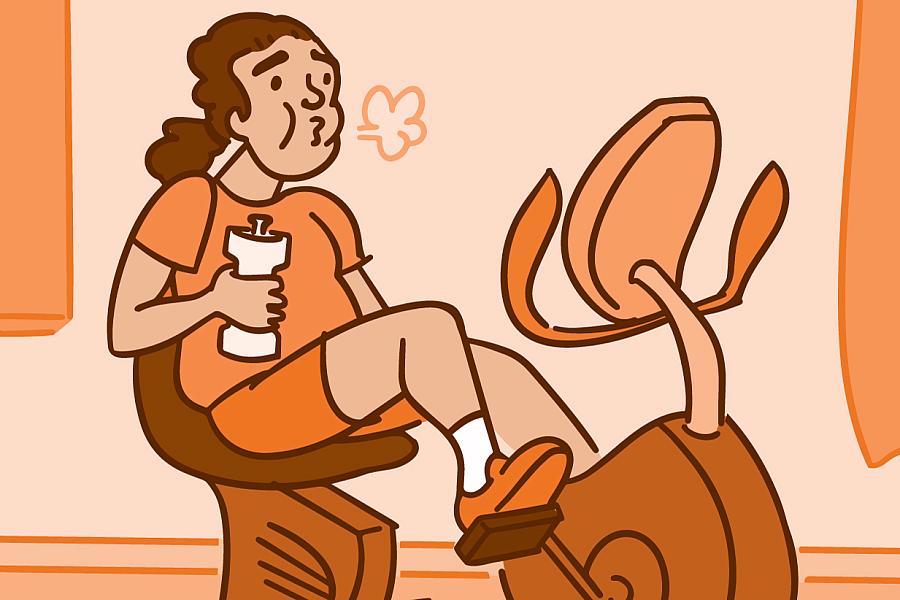
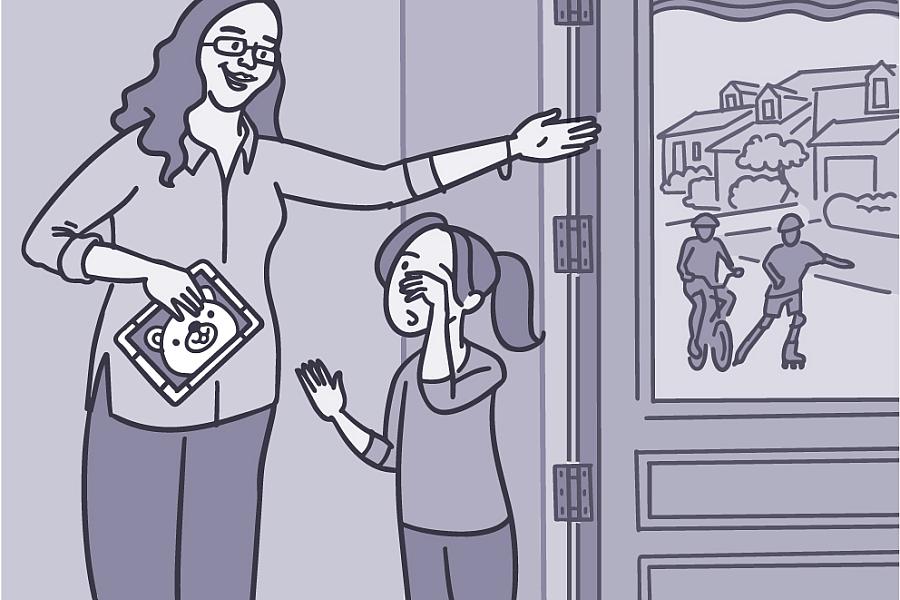
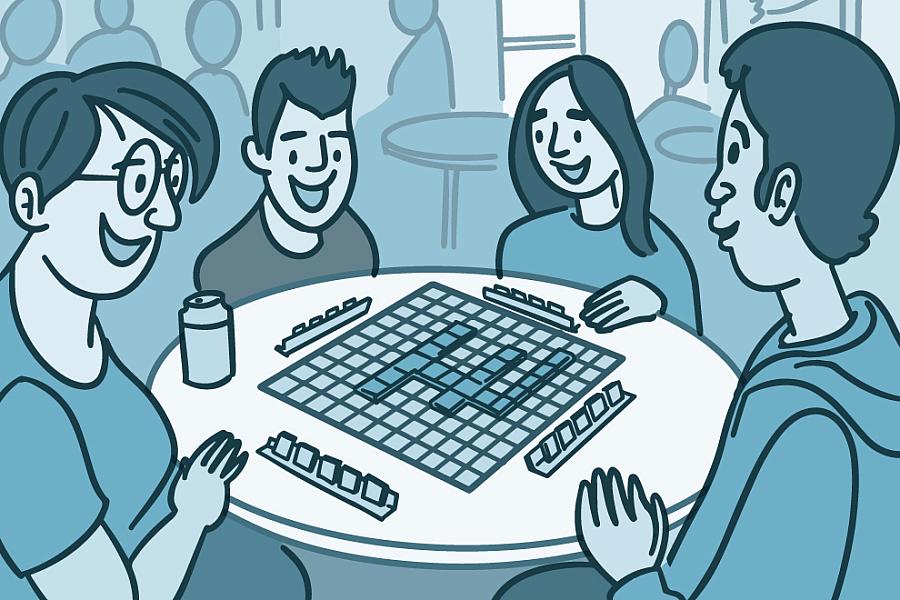
But you don’t have to wait for your neighborhood to change to add more steps to your day. See the Wise Choices box for simple ways to get more activity in your day.

NIH Office of Communications and Public Liaison
Health and Science Publications Branch
Building 31, Room 5B52
Bethesda, MD 20892-2094
Contact Us:
[email protected]
Phone: 301-451-8224
Share Our Materials: Reprint our articles and illustrations in your own publication. Our material is not copyrighted. Please acknowledge NIH News in Health as the source and send us a copy.
For more consumer health news and information, visit health.nih.gov.
For wellness toolkits, visit www.nih.gov/wellnesstoolkits.