
A monthly newsletter from the National Institutes of Health, part of the U.S. Department of Health and Human Services
Search

Cancer Information Service
… answer your questions about cancer. This free and confidential service is available to anyone. Get information on clinical trials, treatments, the latest cancer research, quitting smoking, and …

Migraine Trainer App
… Some teens get severe headaches known as migraines. This free app from NIH can help teens figure out what’s …
Genetic and Rare Diseases Information Center
… from parent to child. This website has easy-to-understand information about rare diseases. Get help with information in English or Spanish by calling 1-888-205-2311 or submitting a request …
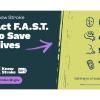
Know Stroke
… Stroke is a leading cause of death in the U.S. Spotting the signs and getting treatment quickly can save lives and reduce disability. Signs of stroke can include face …

NIH Spanish Health Information Portal
… your questions and comments on health info. Access the site from your PC or mobile device to get the health information you need. …

All of Us Research Program
… diverse health databases in history. Researchers use this data to learn more about why people get sick or stay healthy. Learn more about your own health, too. You can receive personalized …

Eye Health for Kids
… especially for kids. Watch videos about how your eyes work. Learn about optical illusions. Get tips for protecting your eyes. And learn how to tell eye facts from eye fiction. …

Halting Hypothermia
… to warm up or ask for help. Anyone who spends much time outdoors in very cold weather can get hypothermia. But hypothermia can happen anywhere—not just outside and not just in bitter … to know the signs and symptoms, and take quick action if needed,” Eldadah says. “First get the person out of the cold or wet environment if possible, remove any wet clothes, and cover … are best used in settings where doctors can closely monitor a patient’s vital signs, so getting professional help is important.” To help prevent hypothermia in the first place, Eldadah …

Keep Your Mouth Healthy
… a kid—brush your teeth twice a day and floss regularly—can become more of a challenge as you get older. Among adults ages 75 and up, about 1 in 4 has lost all natural teeth, largely because … lifetime. And if you’re a caregiver for an older adult, you can help ensure that he or she gets proper oral care. Tooth decay and gum disease don’t have to be a part of getting older. “We have to worry about the same conditions throughout life, although some …

Bruising Questions
… vessels under your skin. But if you don’t break the skin, the blood has nowhere to go. It gets trapped under the skin’s surface, causing a bruise. When you first get a bruise, the newly trapped blood makes it look pink or red. Over the next few weeks, the … becomes really common, if it’s not provoked, or if there’s a change in your bruising patterns, get it checked out,” López says. These can be signs that bleeding is happening inside the body …
NIH Office of Communications and Public Liaison
Health and Science Publications Branch
Building 31, Room 5B52
Bethesda, MD 20892-2094
Contact Us:
[email protected]
Phone: 301-451-8224
Share Our Materials: Reprint our articles and illustrations in your own publication. Our material is not copyrighted. Please acknowledge NIH News in Health as the source and send us a copy.
For more consumer health news and information, visit health.nih.gov.
For wellness toolkits, visit www.nih.gov/wellnesstoolkits.