
A monthly newsletter from the National Institutes of Health, part of the U.S. Department of Health and Human Services
Search

Neighborhood Design Impacts Walking Levels
… to get around on foot. They may lack sidewalks, parks, or nearby shops to entice you to go for a walk. Researchers looked at how many daily steps people got before and after moving to more … The neighborhoods were given a walkability score based on measures of pedestrian friendliness. For example, less distances to stores and parks led to higher scores. Researchers found that … “There are many things that affect daily steps, and the built environment is clearly one of them." …

Counting Carbs?
… yet. Here’s what you need to know. The glycemic index and load concern carbohydrates, or carbs—one of the main types of nutrients in our diets. Carbs with a simple chemical structure are … digestive system changes the carbs you eat into glucose, a type of sugar that your body uses for energy. Simple carbs are more quickly digested and absorbed than complex ones, so simple carbs can raise your blood glucose levels faster and higher. People with diabetes …

The Benefits of Slumber
… processes are hard at work throughout the night. “Sleep services all aspects of our body in one way or another: molecular, energy balance, as well as intellectual function, alertness and … explains. Tired people tend to be less productive at work. They’re at a much higher risk for traffic accidents. Lack of sleep also influences your mood, which can affect how you interact …

Biosensors and Your Health
… many other valuable signals, but requires technology to detect them. Scientists are looking for new ways to track and use your body’s signals to improve your health and manage disease. … systems, and compact wireless-sensing technologies.” The mercury thermometer is one of the earliest biosensor technologies used in medicine. In modern thermometers, mercury has … tests use color-changing strips to detect pregnancy [qtip:hormones|Substances produced in one part of the body to signal another part to react a certain way.] in urine. Pregnancy tests …
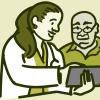
Cancer Care Widens Its Reach
… diet, and behavior. NIH is funding research looking at ways to reduce health disparities. One area of focus is expanding access to cancer prevention and treatment. … Bringing Screening … smear. But a traditional Pap smear requires a trip to the doctor’s office. That can be hard for women who don’t have health insurance or who can’t get time off work, Carrasquillo says. Now, …
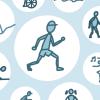
Personalized Exercise?
… feel better. It can also help prevent or delay health problems. Now, researchers are looking for ways to find out which exercises may best suit your body. Different types of exercise can … of the type that provides endurance, which keeps you moving for a long period of time. This is one reason why people may be naturally suited to different sports. But this idea doesn’t just …

Breathe Better With COPD
… at the University of California, San Francisco. COPD includes two main conditions. In one, called emphysema, tissue inside the lungs breaks down. In the other, called chronic … to injury or infection.]. Many people with COPD have both. “There are many things we can do for COPD,” Woodruff says. “Most of them can improve your quality of life. And some of them can … at increased risk. COPD is also about twice as common in rural communities compared with urban ones. That’s largely because these communities have higher smoking rates. Long-term exposures to …
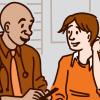
Managing Pain
… a hot stove. But ongoing pain causes distress and affects quality of life. Pain is the number one reason people see a doctor. A class of drugs called opioids is often used to treat pain. One reason, explains NIH pain expert Dr. Michael Oshinsky, is that opioids work well for many people. Opioids can stop the body from processing pain on many levels, from the skin to …
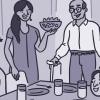
Connective Tissue Disorders
… ligaments and tendons that help your joints move. They also provide structure and flexibility for body parts, such as your skin and blood vessels. Damage to your connective tissue can cause … down genetically. Those tend to run in families. Each disorder affects different body parts. One condition, known as Marfan syndrome, can lead to balloon-like bulges called aneurysms in …
Consider Your Liver
… Your liver is one of the most important organs inside your body, and it’s also the largest. But do you know what it does or even where it’s located? One thing’s for sure: You can’t live without it. Your liver carries out hundreds of essential tasks every … working even under stress. But over time, damage can build up and cause problems. The good news is you can take steps to keep your liver healthy. And many liver diseases can now be treated …
NIH Office of Communications and Public Liaison
Health and Science Publications Branch
Building 31, Room 5B52
Bethesda, MD 20892-2094
Contact Us:
nihnewsinhealth@od.nih.gov
Phone: 301-451-8224
Share Our Materials: Reprint our articles and illustrations in your own publication. Our material is not copyrighted. Please acknowledge NIH News in Health as the source and send us a copy.
For more consumer health news and information, visit health.nih.gov.
For wellness toolkits, visit www.nih.gov/wellnesstoolkits.