
A monthly newsletter from the National Institutes of Health, part of the U.S. Department of Health and Human Services
Search

Dealing with Drug Problems
… a substance use problem, a conversation with a doctor or another professional may be enough to get them the help they need. Doctors can help the person think about their drug use, understand … whose parents are in the program have fewer behavioral problems and do better when they get to school. Shaw and his colleagues are now following these children through their teenage … will introduce their children to new friends and fill up the after-school hours—prime time for getting into trouble. “They don’t like it at first,” Shaw says. But finding other teens with …
Bad Air Day
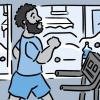
… lead to inflammation, or swelling, in the airways. When the levels are high enough, you can get symptoms like coughing or throat irritation. Your eyes might water. Your chest might hurt … is especially true for people with asthma. When there’s a bump in ozone levels, asthma usually gets worse or out of control a day or 2 after exposure. We often see an increase in emergency … you inherit from your parents, that define characteristics such as how likely you are to get certain diseases.] may affect your response to air pollution. At least one gene seems to …

Gut Troubles
… for IBS, Lembo explains, because it can have different causes. Some people can get some relief by adjusting their diet. (See the Wise Choices box for foods that can trigger gut … the more likely you are to respond,” says McGovern. So, people with high-risk disease may get these drugs first now, he explains. … Looking for Better Treatments … Researchers are … or pain are impacting your quality of life. Available treatments can help most people get their insides back in order again. …

Caring for Concussions
… recognize the causes and symptoms of a concussion is important so you can reduce the risk of getting one and seek immediate treatment if you have one. … Seek Treatment … Some people may … with concussion in the ER receive such care. This lack of follow-up can prevent people from getting treatment that could improve their quality of life, Manley explains. Drugs don’t yet … sometimes months or more after the initial injury.” Material from the blood is not supposed to get into the brain. Its presence can trigger [qtip:inflammation |Heat, swelling, and redness …

Tension Headaches, Migraine, and More
… painkillers more than three or four times a week, once the drug is out of your system you can get a rebound headache,” he says. People with frequent or chronic headaches can try preventive … treatment,” he says. Other treatments for headaches don’t involve drugs at all. Some people get relief with a type of talk therapy called cognitive-behavioral therapy, or CBT. This includes … in children and teens can be treated by drinking more water, having a healthier diet, getting enough activity, and solving sleep problems. Always talk to a doctor before giving …

Feeling Stressed?
… contribute to weight gain and obesity through these biological routes,” Kiecolt-Glaser adds. Getting enough sleep is also key to resilience and stress relief—although stress itself can interfere with sleep. To improve your sleep habits, go to bed the same time each night and get up the same time each morning, and limit the use of light-emitting electronics like computers …

Update Your Doctor on Your Family’s Health
… The researchers recommend that doctors maintain accurate information for their patients by getting a comprehensive family history by age 30, and then updating it at least every 5 to 10 …

Communicating Clearly While Wearing a Face Covering
… needed. You can also offer to use another method—a smartphone, paper and pen, or whiteboard—to get your message across. When it’s essential that you understand spoken details, like at a …

Bystanders Can Save Lives During Cardiac Arrest
… minutes, the person will usually die. When the heart stops beating, blood and oxygen can’t get to the brain. The brain can’t function long without oxygen. A recent study of people who had …

Birthing Options for Full-Term Pregnancy
… chances of serious health problems, such as needing help with breathing, having a seizure, or getting an infection. Inducing labor also reduced the mothers’ chance of a C-section and lowered …
NIH Office of Communications and Public Liaison
Health and Science Publications Branch
Building 31, Room 5B52
Bethesda, MD 20892-2094
Contact Us:
[email protected]
Phone: 301-451-8224
Share Our Materials: Reprint our articles and illustrations in your own publication. Our material is not copyrighted. Please acknowledge NIH News in Health as the source and send us a copy.
For more consumer health news and information, visit health.nih.gov.
For wellness toolkits, visit www.nih.gov/wellnesstoolkits.