A monthly newsletter from the National Institutes of Health, part of the U.S. Department of Health and Human Services
Site Menu
NIH Websites Are Changing
NIH is moving the launch of its new website to the fall to ensure the best possible experience for everyone who relies on our websites for health information, research, funding opportunities, and other resources.
Menopause is the time when a woman’s menstrual periods stop for good, and she can no longer get pregnant. You’ve reached menopause when you haven’t had a period for one year. It’s a normal part of aging. But the transition to menopause affects every woman differently. The menopausal transition often begins between ages 45 and 55. It can last for many years. During this time, women may notice…
It’s always a good time to resolve to eat better, be more active, and lose weight. For the more than 2 out of 3 Americans who are either overweight or obese, there’s now a free, research-based tool to help you reach your goals: the NIH Body Weight Planner . “A lot of people want to change their lifestyle to lose weight and improve their overall health but really don’t know what it takes,” says…
Some people who’ve had COVID develop lasting health problems. NIH created the RECOVER Initiative to learn more about this condition, called Long COVID. Thousands of children and adults have joined the RECOVER studies. You may be able to participate, too. Learn more and sign up for email updates about research findings.
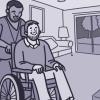
Getting a diagnosis of amyotrophic lateral sclerosis (ALS) is devastating. ALS causes your muscles to weaken over time and eventually leads to death. It’s also called Lou Gehrig’s disease. “ALS is a motor neuron disease,” says Dr. Rita Sattler, an ALS expert at the Barrow Neurological Institute. “Motor neurons connect to every muscle in your body and control muscle movement. So if these cells are…, Uncovering Causes, Most cases of ALS are sporadic. That means there’s no known cause. But it can also run in families. [qtip:Genetic|Having to do with genes, stretches of DNA you inherit from your parents. Genes can affect your risk for certain diseases.] causes account for about 15% or less of ALS cases. “The first genetic cause of ALS was discovered nearly 30 years ago, with a gene called SOD1,” says Dr. Michael…, Detecting ALS Early, Right now, getting an ALS diagnosis takes time. “In many people, it can take up to 18 months to get a final diagnosis,” says Dr. Jordan Green, a speech-language pathologist at the MGH Institute of Health Professions. “Early diagnosis is particularly important in a disease like ALS because the motor neurons are dying, and you want to intervene as early as possible.” If you show signs of ALS, your…, Tracking and Treating ALS, Scientists are seeking ways to track and slow the progression of ALS, too. Current drugs can treat a person’s symptoms but can’t stop the disease from getting worse. Finding biomarkers—molecules or other signs of a disease—that can be used to track the progression of a disease has become a key research focus. Biomarkers can be used to see whether potential new drugs are working. NIH-funded…
About two-thirds of your body weight is water. All your cells need water to work. Water is also the base for all your different body fluids, including saliva, blood, urine, sweat, and joint fluid. No living thing can survive without water. How do you know if you’re drinking enough? Your body loses water when you sweat, go to the bathroom, and even when you just breathe out. So, you need to drink…
NIH is the driving force behind decades of research advances that have improved health, helped revolutionize science, and serve society more broadly. Learn how NIH turns scientific discoveries into better health for all. Read stories about how NIH has advanced cancer research, vaccines, heart health, mental health, and more.
In type 1 diabetes, your body mistakenly attacks and destroys certain cells in your own pancreas. These cells normally make a molecule called insulin. Without insulin, the sugar glucose builds up in your blood. This can cause serious health problems. Current treatments for type 1 diabetes include frequent testing of blood glucose and insulin injections. But researchers have been working on a new…
Pain is the most common reason people seek medical care. Many also look to complementary health approaches. But how do you know if they’re safe and helpful? To help you find answers, NIH has a free e-book called “Pain: Considering Complementary Approaches.” It summarizes the evidence behind different complementary approaches for pain relief. These include acupuncture, massage therapy, spinal…
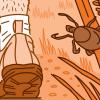
Warm weather might make you want to get outdoors and enjoy walks in the woods, picnics, gardening, and more. But tiny ticks also emerge when temperatures rise. And they can take a big bite out of warm-weather fun. Bites from infected ticks are responsible for about a half-million new illnesses each year in the U.S. And those numbers are rising. Lyme disease is by far the most common. It accounts…, Risks From Ticks, The chance that you’ll get sick from an infected tick mostly depends on where you live. Different types of ticks live in different parts of the country. Each type can pass on the germs that cause different diseases. Nationwide, more than 17 human diseases are known to be caused by at least nine kinds of ticks. And all these ticks are moving into new regions. “As the climate warms and changes, it’…, Unusual Meat Allergy, Most tick-related illnesses are caused by infections. But over a decade ago, NIH-supported researchers found that certain tick bites might instead lead to a food allergy. The condition is called alpha-gal syndrome (AGS). The allergy is to a sugar molecule called alpha-gal that is found in red meat. “This includes beef, pork, lamb, venison, rabbit, and even the products from these animals, such as…, Blocking Tickborne Illness, Even though tick-related diseases are becoming more common, you can still enjoy the outdoors if you take some precautions. “You don’t need to be afraid of ticks,” says Dr. Sam Telford, a tick disease researcher at Tufts University. “Depending on where you live, most tick bites don’t necessarily carry an infection. And even if they do, if you remove the tick promptly—by taking a shower, feeling…
If you start to see changes in the way a loved one under 60 acts, speaks, or moves, you may not think of dementia as a cause. Dementia is a loss of thinking, memory, and reasoning that seriously affects your daily activities. It’s more common in older adults. But a group of dementias called frontotemporal disorders, or FTD, occurs most often in people between 45 to 64 years old. “Many people with…
Share Our Materials:
Reprint our articles and illustrations in your own publication. Our material is not copyrighted. Please acknowledge
NIH News in Health
as the source and send us a copy.
For more consumer health news and information, visit
health.nih.gov.