
A monthly newsletter from the National Institutes of Health, part of the U.S. Department of Health and Human Services
Search

Mind Your Risks
… pressure. It is one of the most preventable risk factors associated with stroke and dementia. Visit this website to learn more about the connection between high blood pressure, stroke, and …

Is Kratom Safe?
… Kratom is a tree in the coffee family. It’s found in Thailand and neighboring countries. For centuries, people in … such as seizures, high blood pressure, and liver problems. To learn more about kratom, visit nccih.nih.gov/health/kratom and nida.nih.gov/research-topics/kratom . *Editor’s note: This story has …
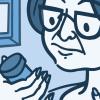
Drug Allergies
… penicillin is the drug most often reported to cause allergic reactions. About 10% of people in the U.S. have a penicillin allergy listed in their medical records. But probably less than 1% of people are truly allergic to penicillin, says Dr. David Khan, an NIH-funded allergist at the University of Texas Southwestern Medical Center. The most typical … can also lead to death if untreated. Sometimes people mistake side effects of a drug for an allergy. Nausea, vomiting, diarrhea, and headaches are usually side effects. Everyone has …
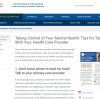
Taking Control of Your Mental Health
… well-being with your health care provider. Be honest and ask questions. You can find more tips for geting the most out of your visit on the website. …
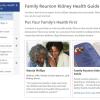
Family Reunion Kidney Health Guide
… Visiting family this summer? Use the time to share key health information. Get tips for … Learn about the links between diabetes, high blood pressure, and kidney disease. And get ideas for connecting with loved ones to inspire healthy behaviors. …
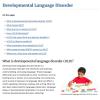
Developmental Language Disorder
… Developmental language disorder, or DLD, affects about 1 in 14 children who are in kindergarten. DLD is a communication disorder. It can cause problems with learning, … treatment during preschool years can improve the skills of many kids with language delays. Visit the website to learn more. …
Combat COVID
… learning more about the virus that causes COVID-19. But scientists and doctors need your help. Visit this new web portal for information on clinical trials you can participate in (also in Spanish ). Also, find out how to donate plasma and blood if you’ve recovered from …

App Aids Autism Screening
… treatment and improved outcomes. But ASD can be hard to diagnose. Kids are often screened for ASD before age 3 at well-child medical visits. Screening is usually based on a caregiver … questionnaire. But scientists have been looking for ways to improve early detection. An NIH-supported research team created a mobile app that might help. While a child watches videos on … head movements, expressions, blinking, and other behaviors linked to ASD. The app was tested in 475 toddlers, ages 17 months to 3 years. It correctly identified nearly 90% of the children …

Smokefree 60+
… Are you 60 or older? Do you need help quitting smoking? It’s never too late to quit. Visit the … Smokefree 60+ … website for strategies and tools proven to help smokers quit. Download a mobile app to track your progress. Sign up for the free text-messaging service. Or learn about the free counseling service. There are many …

Environment and Health Kids Pages
… Having fun is a great way to learn about how the world works. Visit the … Kids Environment Kids Health … website to find fun and educational resources for kids, parents, and teachers. Solve puzzles and play other games to learn about science, animals, and the world we all share. You can also find science experiments for kids or explore topics about nature, pollution, recycling, and more. …
NIH Office of Communications and Public Liaison
Health and Science Publications Branch
Building 31, Room 5B52
Bethesda, MD 20892-2094
Contact Us:
nihnewsinhealth@od.nih.gov
Phone: 301-451-8224
Share Our Materials: Reprint our articles and illustrations in your own publication. Our material is not copyrighted. Please acknowledge NIH News in Health as the source and send us a copy.
For more consumer health news and information, visit health.nih.gov.
For wellness toolkits, visit www.nih.gov/wellnesstoolkits.