
A monthly newsletter from the National Institutes of Health, part of the U.S. Department of Health and Human Services
Search
COVID-19 and Addiction
… with a substance use disorder during the COVID-19 pandemic may be particularly challenging. NIH has resources to help. Find important information on addiction and COVID-19. This includes …

You’re Never Too Old
… We’ve all heard that exercise is good for you. Did you know that it’s as true for older people as it is for any age group? … your health. Fitting exercise and physical activity into your day can enhance your life in so many ways. Regular physical activity can improve your balance and boost or maintain your … it’s important to get started and stay active,” says Dr. Richard J. Hodes, director of NIH’s National Institute on Aging. “We know that people want to live independently for as long as …
Block the Buzzing, Bites, and Bumps
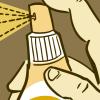
… Summer can be a bummer if outdoor fun is interrupted by the irritating buzz of mosquitoes. Their bites not only create itchy red bumps on your skin; they also carry the risk of disease. NIH-funded scientists are working to find better ways to diagnose, treat, and prevent … across the globe. Most mosquito-related deaths and illnesses occur outside the U.S., mainly in Africa. “But we’ve always had a variety of mosquito-borne pathogens in the U.S. as well,” says …

Facts About Teen Drinking
… NIH has a new resource for teens to learn about underage alcohol misuse. How does alcohol affect the body? How do you detect an alcohol problem in yourself or a loved one? What resources are available to teens with alcohol-related issues? …

Kids Environment, Kids Health
… Have fun learning about health, science, and the world we live in. Kids, parents, and teachers can find engaging and educational information at this NIH website. Solve puzzles, play games, and learn about the environment we all share. See how you …

Science Education: Technology
… Learn about cutting-edge health care technologies and how NIH-supported researchers are improving them. Topics include tissue engineering, biomaterials, …

Genomics Educational Resources
… Genomics is the study of all of the genes and DNA in a person or living thing. Learning about how your … works can help you better understand your own health. Discover the world of genomics with this NIH resource. Teachers, students, and others can get fact sheets, infographics, and other …

Weighing in on Dietary Fats
… by family, friends and plenty of good food. Many of these foods, though, can be high in fat. Learn which fats are naughty and which are nice to your health. Then you can make smarter … most concentrated source of energy in the foods we eat, and our bodies need that energy,” says NIH nutritionist Dr. Margaret McDowell. “Fats are truly an essential nutrient.” Problems arise, … substance that your body needs to function normally. A high level in the blood, however, is a major risk factor for heart disease.], as well as the part of cholesterol known as …

Sex and Gender
… seemingly simple question can have a major impact on your health. While both sexes are similar in many ways, researchers have found that sex and social factors can make a difference when it … interchangeably, but they’re distinct concepts to scientists. … Defining Differences … — Sex is biological. It’s based on your genetic makeup. Males have one X and one Y … women and men,” explains Dr. Janine Austin Clayton, who heads research on women’s health at NIH. “Women and men have different hormones, different organs, and different cultural …

Preparing for Menopause
… further apart. At some point, they stop completely, and she can no longer get pregnant. This is because the ovaries aren’t releasing eggs and making [qtip:hormones|Substances sent through … anymore. After 12 months without a period, a woman can say she’s gone through menopause. In the years before menopause, women may experience skipped and unpredictable menstrual periods. … severe symptoms. Most people have mild or less frequent symptoms,” says Dr. Hadine Joffe, an NIH-supported menopause researcher and psychiatrist at Brigham and Women’s Hospital. NIH is …
NIH Office of Communications and Public Liaison
Health and Science Publications Branch
Building 31, Room 5B52
Bethesda, MD 20892-2094
Contact Us:
nihnewsinhealth@od.nih.gov
Phone: 301-451-8224
Share Our Materials: Reprint our articles and illustrations in your own publication. Our material is not copyrighted. Please acknowledge NIH News in Health as the source and send us a copy.
For more consumer health news and information, visit health.nih.gov.
For wellness toolkits, visit www.nih.gov/wellnesstoolkits.