
A monthly newsletter from the National Institutes of Health, part of the U.S. Department of Health and Human Services
Search

Tai Chi and Your Health
… Wayne, a longtime tai chi researcher at Harvard Medical School. “It’s a promising intervention for preserving and improving many areas of health, especially in older adults.” Several studies have found evidence that tai chi can increase balance and … to falls,” Wayne says. “Tai chi may help you move more confidently and safely again.” Some NIH-funded research suggests that tai chi may also improve balance and prevent falls in people …
From A to Zika
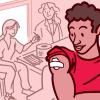
… a danger do these diseases really pose? What can you do to reduce the risk from new diseases in your community? Emerging diseases are caused by microbes, usually bacteria or viruses, that … the time from the animal world,” explains Dr. David Morens, an infectious disease expert at NIH. Part of the reason is that the [qtip:genes|Stretches of DNA that instruct cells how to make … These gene changes, called mutations, help microbes survive and spread. Some make it possible for bacteria or viruses that once only infected animals to infect people. Bacteria and viruses …
Risky Drinking Can Put a Chill on Your Summer Fun
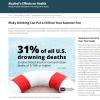
… Drinking alcohol in the heat can mean trouble. Heat plus alcohol can raise the risk for sunburn, dehydration, and drowning. Be smart this summer. Think before you drink. Stay safe and stay healthy. Get tips at this NIH website …

Bones, Joints, Muscles, and Skin
… materials and activities to help kids learn about bones, joints, muscles, and skin. This NIH website is meant for teachers and students in grades four through six. But everyone can benefit from learning more about these essential …

Recovery Time for Sports Concussions
… back into the game. Millions of sports-related mild brain injuries, or concussions, happen in the U.S. each year. Returning to play before you’re fully recovered can be dangerous. It raises the risk for long-term symptoms like headaches, dizziness, and problems with mental function after future … concussions. After a severe brain injury, the brain makes more of a protein called tau. An NIH-led research team looked at changes in blood levels of tau after sports-related concussions …

STEM Teaching Resources
… videos, and more. Discover and share the vast health-related teaching resources supported by NIH. …

Asian-Language Resources
… Get information about conditions that affect your bones, joints, muscles, and skin in several Asian languages. NIH has free, easy-to-read information in Chinese, Korean, and Vietnamese. Learn more about topics like arthritis, acne, back pain, and …

Finding Treatment for Drug Use Disorder
… If you or a loved one needs treatment for a drug use problem, it can be challenging to know where to start. NIH has step-by-step guides to finding treatment for teens and adults, as well as guides for friends and family. Find more information on …

COVID-19 and Addiction
… with a substance use disorder during the COVID-19 pandemic may be particularly challenging. NIH has resources to help. Find important information on addiction and COVID-19. This includes …
Block the Buzzing, Bites, and Bumps
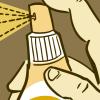
… Their bites not only create itchy red bumps on your skin; they also carry the risk of disease. NIH-funded scientists are working to find better ways to diagnose, treat, and prevent … blood-sucking insects. Most mosquito bites are relatively harmless. The itchy bumps often last for just a day or 2 after a mosquito has punctured your skin. But if the mosquito is carrying … across the globe. Most mosquito-related deaths and illnesses occur outside the U.S., mainly in Africa. “But we’ve always had a variety of mosquito-borne pathogens in the U.S. as well,” says …
NIH Office of Communications and Public Liaison
Health and Science Publications Branch
Building 31, Room 5B52
Bethesda, MD 20892-2094
Contact Us:
nihnewsinhealth@od.nih.gov
Phone: 301-451-8224
Share Our Materials: Reprint our articles and illustrations in your own publication. Our material is not copyrighted. Please acknowledge NIH News in Health as the source and send us a copy.
For more consumer health news and information, visit health.nih.gov.
For wellness toolkits, visit www.nih.gov/wellnesstoolkits.