
A monthly newsletter from the National Institutes of Health, part of the U.S. Department of Health and Human Services
Search

Working Out to Stay Sharp
… We’ve all heard that exercise is good for us. Experts recommend getting at least 150 minutes of moderate-intensity aerobic activity … have been shown to boost cognitive functions in mice. Villeda and colleagues are studying one called GPLD1. They’ve found that it’s at least partly responsible for why exercise improves … production has shown effects similar to exercise in the brains of mice. So, Villeda hopes that one day GPLD1 can help improve the health of people who aren’t able to exercise. Don’t be …

Discovering VEXAS
… also affect the lungs and cause coughing and shortness of breath. (See the Wise Choices box for more symptoms.) Scientists recently discovered that VEXAS is caused by mutations, or changes, … This gene is located on the X chromosome. Women have two X chromosomes, whereas men only have one. That means women have two copies of the gene, but men only have one. In men, mutations to their only copy of the gene can be enough to get the disease. But in …

Cloudy Vision?
… them, you may have trouble seeing well enough to read, drive, or do other daily activities. One common cause of cloudy vision is cataracts. These form in the lens of your eye. Cataracts are … eye drops to widen part of your eye called the pupil. The doctor can then look into your eye for cataracts and other problems. If you have mild cataracts, using a magnifying lens and …

The Powerful Placebo
… to work, it will. This phenomenon is called the placebo effect. Scientists are looking for ways to harness this effect for medical treatments. A placebo is an inactive substance or … isn’t meant to actually fix anything in your body. A pill that doesn’t contain any medicine is one example. Historically, placebos have been a key part of testing if a new treatment works. In … participants are given either an active treatment or a placebo. But they aren’t told which one they’re getting. The treatment must do more to improve the participants’ condition than the …
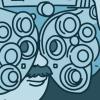
Shaping Clearer Vision
… Your eyes let you picture the world. But, for many people, that image is blurry. If the shape of your eye makes it hard to see clearly, … or distorted vision. These are called refractive errors. “Refractive errors are the number one cause of vision loss worldwide,” says Dr. Anat Galor, an eye surgeon at the University of … eye rather than on the cornea. A surgeon can place an additional lens in front of the existing one, or remove and replace the existing lens. To be a candidate for surgery, your refraction must …

What Are Frontotemporal Disorders?
… If you start to see changes in the way a loved one under 60 acts, speaks, or moves, you may not think of dementia as a cause. Dementia is a loss … of DNA you inherit from your parents that define features, like your risk for certain diseases.]. But in most cases, the cause isn’t known. People with FTD have a buildup … Boeve says. This includes learning ways to keep the home environment safe, manage the loved one’s behavior, and prevent caregiver burnout. Boeve’s team and other NIH-funded researchers are …
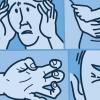
The Benefits of Botulinum Toxin
… Botulinum toxin injections are well-known for their use smoothing out wrinkles. They’re available under brand names such as Botox, Xeomin, … Dysport, Myobloc, and Jeuveau. While wrinkle removal is the most common use, it’s not the only one. The first use for botulinum toxin injections came out decades ago. It was for treating … Botulinum toxin is a poisonous substance that’s made by certain bacteria. It’s actually one of the most potent toxins found in nature. It causes botulism, a rare but potentially lethal …

Recognizing RSV
… COVID-19 measures lessened how often we get sick from many other viruses. But one common virus has been on the rise this year. It’s called respiratory syncytial virus, or RSV. … a physician who studies viruses at NIH. Almost everyone catches RSV before the age of 2. It’s one of the most common causes of illness in children. But unlike many other viruses that infect … caused by the body’s protective response to injury or infection.] in the lungs from RSV. Watch for symptoms that get worse over time or trouble breathing or drinking fluids. People with these …

Coping With Chemo
… Cancer cells multiply in an uncontrolled way, making them difficult for your body to stop. Chemotherapy, or chemo for short, uses drugs to kill cancer cells or stop … body divide and multiply into new cells. Your body needs new cells to replace old or damaged ones. Some of the body’s healthy cells multiply frequently, like those that line the intestines …
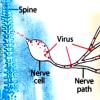
Preventing Shingles
… Did you ever have chickenpox? If so, you’re at risk for getting a disease called shingles. About 1 out of every 3 people will get shingles at some … but its symptoms can be much more severe. Burning, itchy rashes and blisters may appear on one side of your body or face. You might also feel fatigue, fever, headache, or an upset stomach. … last much longer. It’s possible to get shingles more than once. As you get older, your risk for getting shingles grows. Shingles most commonly occurs in adults over 50, but it can appear at …
NIH Office of Communications and Public Liaison
Health and Science Publications Branch
Building 31, Room 5B52
Bethesda, MD 20892-2094
Contact Us:
nihnewsinhealth@od.nih.gov
Phone: 301-451-8224
Share Our Materials: Reprint our articles and illustrations in your own publication. Our material is not copyrighted. Please acknowledge NIH News in Health as the source and send us a copy.
For more consumer health news and information, visit health.nih.gov.
For wellness toolkits, visit www.nih.gov/wellnesstoolkits.