A monthly newsletter from the National Institutes of Health, part of the U.S. Department of Health and Human Services
Site Menu
NIH Websites Are Changing
NIH is moving the launch of its new website to the fall to ensure the best possible experience for everyone who relies on our websites for health information, research, funding opportunities, and other resources.
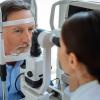
… damages the eye’s optic nerve, can also cause untreatable vision loss. Eye doctors can check for low vision during an eye exam. They’ll give you drops to widen, or dilate, your pupil. This … you may find that brighter lights help. Wearing anti-glare sunglasses may also help you see better. A vision rehabilitation specialist can show you how to use technologies and magnifying …
… feet, or face. Anyone who has been in close contact with someone who has monkeypox is at risk for infection. The virus usually spreads by three main routes: by touching a rash or body fluid … viruses are now being tested or used to treat monkeypox. NIH continues to support research to better understand, diagnose, treat, and prevent this disease. Learn more about monkeypox . …
… “Now that we have uncovered the source of this bacterial imbalance, physicians can better identify those coronavirus patients most at risk of a secondary bloodstream infection,” …
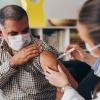
… research showed that the bivalent boosters were safe. A new study found that they’re also better than the original booster at reducing the risk of severe disease. Scientists looked at … boosters. “The increased effectiveness found in this study demonstrates why it’s important for people to protect themselves with the updated booster, even if they had already gotten the …
… (or changes) in certain genes. The changes they found were also linked to a higher risk for other types of cancer. An NIH-funded research team looked at data from two large studies. One … types of cancer. If they are, gene testing may help some patients and their family members better understand their risk for other cancers. …
… your cognitive health—the ability to clearly think, learn, and remember—is important for your overall well-being. Many things influence cognitive health. Your genes, lifestyle, and … as you age. “Cognitive activity, physical activity, and social engagement are associated with better cognitive functioning in older adulthood,” Boyle explains. Managing your health conditions …
… goals even harder. Eating too much of them may lead to weight gain and increase your risk for certain diseases, like cancer, diabetes, and obesity. … What Are Ultra-Processed Foods? … … and it doesn’t take much time or effort or skill to prepare them.” Hall hopes that a better understanding of what’s causing increased calorie consumption can help guide how such …
… a few weeks to months. But some people’s symptoms continue long afterward. Researchers want to better understand why some people’s brains don’t heal after a concussion. This condition is … conditions, like depression or post-traumatic stress disorder (PTSD). A research team looked for ways to predict who will have long-term problems after a brain injury. They examined blood …
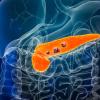
… personalized vaccines. To do this, they used mRNA—the same approach used to make vaccines for COVID-19. The researchers took tumor samples from 19 volunteers who had their pancreatic … vaccine could enlist the immune system to fight pancreatic cancer—which urgently needs better treatments,” says study lead Dr. Vinod Balachandran of Memorial Sloan Kettering Cancer …
Share Our Materials:
Reprint our articles and illustrations in your own publication. Our material is not copyrighted. Please acknowledge
NIH News in Health
as the source and send us a copy.
For more consumer health news and information, visit
health.nih.gov.