
A monthly newsletter from the National Institutes of Health, part of the U.S. Department of Health and Human Services
Search

Coronavirus Disease (COVID-19)
… Get the latest information on the coronavirus (COVID-19) outbreak all in one place. Learn science-based … recommendations on how best to protect you and your family. Find the facts about the situation in the U.S. as it evolves. …

Sleep Health
… but many of us don’t get the sleep we need. Learn about the science of sleep, read tips for getting good sleep, and watch videos explaining common sleep disorders. You can also find out about the latest research. …

Health in Rural America
… About 20% of Americans live in rural parts of the country. Rural areas have more space, fewer people, and scenic landscapes. … often have a common sense of community. But living in a rural area can also bring challenges for staying healthy. Studies have found that rural Americans are more likely to die prematurely … scarce. Someone with diabetes, for example, can take a blood sugar reading during a virtual visit with their doctor. Patients with depression and other mental health conditions can get …

Healthy Mouth for Kids
… can start cleaning your baby’s mouth with a clean, soft cloth even before the first teeth come in,” says Dr. Tim Iafolla, a dental health expert at NIH. “That way your baby gets used to having his or her mouth cared for.” Baby teeth may start to … the day, feeds the bacteria and creates more acid, which can lead to cavities. The good news is that tooth decay can be prevented. Start by encouraging kids to eat healthy foods and …

Noise Complaints
… About 10% of U.S. adults have experienced tinnitus that lasted for at least five minutes in the past year. The noise can be soft or loud, high pitched or low pitched. You may hear it in … ear to the brain, called the auditory nerve. His team hopes this can help reduce tinnitus. To search for studies you can join to help advance tinnitus research, visit clinicaltrials.gov . …

Alcohol Treatment Navigator
… Looking for alcohol treatment can feel overwhelming. NIH’s Alcohol Treatment Navigator can help. It offers a three-step road map to find science-backed care that can raise your chance for success. You can search for alcohol treatment for yourself or a loved one. …

How Many Is Too Many?
… treat. Others struggle to stop at just one or even many drinks. Some may drink alcohol in moderation, but still feel like they’re not in control of their drinking. How do you know if … to save those up and drink them all on a Saturday night,” says Dr. George Koob, director of NIH’s National Institute on Alcohol Abuse and Alcoholism. This type of drinking, called binge … heart and lung problems, and muscle and bone weakness. There has been some recent good news about drinking in the U.S. “We’ve seen a steady decline in underage drinking,” Koob says. …
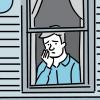
Worried Sick
… and ready for action. But sometimes anxiety can linger or become overwhelming. When it gets in the way of good health and peace of mind, it’s called an anxiety disorder. If you have an … illness—one they may carry into adulthood. “Everybody has anxiety,” says Dr. Daniel Pine, an NIH neuroscientist and psychiatrist. “The tricky part is how to tell the difference between … anxiety have a higher risk of both physical and mental health problems. Some people visit their doctors because of headaches, racing heart or other physical complaints without …

How Much Activity Do You Need?
… physical activity you and your family should try to get. The new Physical Activity Guidelines for Americans is based on the latest research on how activity affects health. Adults need at least 150 minutes of … with things like push-ups or lifting weights. Children ages 3 to 5 should be physically active for at least 3 hours throughout the day. Kids 6 through 17 need at least 1 hour per day. All of …

Keep Your Lungs Healthy
… With each breath in, your lungs take in life-giving oxygen. The oxygen then travels through your blood to every … factors, like cigarette smoke, dust, and pollution, can also increase your risk. The good news is that you can take steps to help prevent many chronic lung diseases. If they do develop, … flow is the problem,” explains Dr. Andrew Lipton, medical director of the lung function lab at NIH. “It’s hard for air to come into or go out of the lungs.” In asthma, swelling in the lungs …
NIH Office of Communications and Public Liaison
Health and Science Publications Branch
Building 31, Room 5B52
Bethesda, MD 20892-2094
Contact Us:
nihnewsinhealth@od.nih.gov
Phone: 301-451-8224
Share Our Materials: Reprint our articles and illustrations in your own publication. Our material is not copyrighted. Please acknowledge NIH News in Health as the source and send us a copy.
For more consumer health news and information, visit health.nih.gov.
For wellness toolkits, visit www.nih.gov/wellnesstoolkits.