
A monthly newsletter from the National Institutes of Health, part of the U.S. Department of Health and Human Services
Search
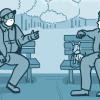
Understanding COVID-19
… Middle East respiratory syndrome (MERS) in 2012, and now COVID-19. Coronaviruses are named for the crown-like spikes on their surface. (Corona means crown.) The viruses use the spikes to … directly,” Fauci says. You can protect yourself and others by wearing a mask. Choose one that has at least two layers of fabric. Make sure that the mask covers your mouth and nose … obesity, diabetes, heart and lung disease, and asthma. About 40% of Americans have at least one of these risk factors. … Getting Treatment … Better COVID-19 treatments mean that fewer …

Things Forgotten
… a normal part of life that becomes more common as we grow older. In most cases, it’s no cause for alarm—unless it begins to hamper daily activities. Forgetting where you left the car keys is one thing; forgetting what they do is quite another. Over the past few years, scientists have … (dehydration). Taking care of these underlying causes may help resolve your memory problems. For some older people, though, episodes of memory loss may be a sign of a more serious problem …

Mindfulness Matters
… But the fact is, there’s something to it. Trying to enjoy each moment may actually be good for your health. The idea is called mindfulness. This ancient practice is about being completely … report an increased ability to relax, a greater enthusiasm for life and improved self-esteem. One NIH-supported study found a link between mindfulness meditation and measurable changes in the …

Practicing Gratitude
… How often do you feel thankful for the good things in your life? Studies suggest that making a habit of noticing what’s going … stress. Early research suggests that a daily practice of gratitude could affect the body, too. For example, one study found that gratitude was linked to fewer signs of heart disease. The first step in any …
The Inflamed Brain
… the brain, or meninges, becomes inflamed, it’s called meningitis. The symptoms can be similar for both. At first, you might get a fever, feel tired, and sometimes have a rash. “Those things … medical help if you have symptoms of encephalitis or meningitis. Early treatment is important for the best recovery. Treatment will depend on the cause. Viruses, bacteria, parasites, and … antivirals, Nath says. “Broad” means the antiviral would stop many viruses rather than just one. This would be helpful, since doctors wouldn’t have to know which virus is causing the …

Bulging Veins
… pumped to your lungs to pick up oxygen before being sent around your body again. Veins have one-way valves that let blood flow forward. The valves then close to keep blood from leaking … veins. Being overweight or obese adds pressure on the veins that can make it even harder for the blood to get back to the heart. Getting active and moving your muscles can help push …

Battling a Bulging Hernia
… not cause pain may not need treatment right away. The doctor may suggest watching and waiting for changes, like pain, to develop. If a hernia is painful or large, your doctor may suggest you see a surgeon for advice. You may need surgery to repair the hernia. If your doctor can’t massage the intestine … needed if the intestine is trapped—and emergency surgery if it’s strangulated. A hernia is one of the most common reasons for surgery in the United States. “It’s a successful and low-risk …
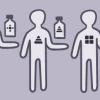
Cancer Care Gets Personal
… a better understanding of the changes that lead to cancer—and figuring out how to target them for personalized treatments. “Cancer treatment is changing at a very fast pace,” says Dr. … Center. “What somebody got a year ago may not necessarily be the same treatment recommended for another person today.” For decades, doctors have treated cancers based on where a tumor first started, such as in the lung or colon. But often, a treatment that works well for one person doesn’t work as well for another. Research has revealed that each tumor has a unique …
Tired, Achy Eyes?
… like smartphones, can strain your eyes. So can normal aging. What can you do to find relief? One major cause of eye discomfort is not blinking enough. “When we focus on tasks like reading or … eye,” Cousineau-Krieger explains. “And just like any other muscle, if you hold the contraction for a long time, the muscle can become fatigued. Eventually, in your 40s, you end up not being …

Feeling SAD?
… clock could all play a role. “The environmental triggers of SAD include shorter days for triggering winter-pattern SAD and excessive heat and humidity for prompting summer-pattern SAD,” Rohan says. SAD tends to begin in young adulthood and is more … effects last. Her studies have shown that the antidepressant effects of CBT may last one to two winters longer than light therapy. She’s also learned more about how CBT for SAD …
NIH Office of Communications and Public Liaison
Health and Science Publications Branch
Building 31, Room 5B52
Bethesda, MD 20892-2094
Contact Us:
nihnewsinhealth@od.nih.gov
Phone: 301-451-8224
Share Our Materials: Reprint our articles and illustrations in your own publication. Our material is not copyrighted. Please acknowledge NIH News in Health as the source and send us a copy.
For more consumer health news and information, visit health.nih.gov.
For wellness toolkits, visit www.nih.gov/wellnesstoolkits.