
A monthly newsletter from the National Institutes of Health, part of the U.S. Department of Health and Human Services
Search

The Powerful Placebo
… to work, it will. This phenomenon is called the placebo effect. Scientists are looking for ways to harness this effect for medical treatments. A placebo is an inactive substance or … action that resembles a drug or medical treatment. But it isn’t meant to actually fix anything in your body. A pill that doesn’t contain any medicine is one example. Historically, placebos … It can’t, for instance, make tumors go away, lower your cholesterol, or get rid of infections. NIH-funded researchers are trying to understand the brain pathways underlying the placebo effect. …

What Are Frontotemporal Disorders?
… If you start to see changes in the way a loved one under 60 acts, speaks, or moves, you may not think of dementia as a cause. … of DNA you inherit from your parents that define features, like your risk for certain diseases.]. But in most cases, the cause isn’t known. People with FTD have a buildup … safe, manage the loved one’s behavior, and prevent caregiver burnout. Boeve’s team and other NIH-funded researchers are working to develop better tests and treatments for FTD. Recently, a …
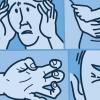
The Benefits of Botulinum Toxin
… Botulinum toxin injections are well-known for their use smoothing out wrinkles. They’re available under brand names such as Botox, Xeomin, … substance that’s made by certain bacteria. It’s actually one of the most potent toxins found in nature. It causes botulism, a rare but potentially lethal form of food poisoning. It may sound … the Wise Choices box for more about the conditions that botulinum toxin is used to treat. Two NIH researchers, Dr. Pamela Stratton and Dr. Barbara Karp, have been studying botulinum toxin for …

Getting a Grip on Gastroparesis
… After you eat, your stomach breaks down the food before pushing it along. How long it takes for your stomach to empty depends on many factors. Meals that are big, fatty, or high in calories will empty more slowly, but it also depends on your health. Some people have a … the gut and how they function and sense things.” To better understand and treat gastroparesis, NIH created the Gastroparesis Clinical Research Consortium (GpCRC). For the last 17 years, the …

Tick Talk
… a hiking trail, you’ll want to protect yourself and your loved ones from ticks that often lurk in tall grass, thick brush, and wooded areas. Many ticks carry disease, so do what you can to … the rise. The diseases are often clustered in specific regions. Rocky Mountain spotted fever, for instance, occurs mainly in the mid-Atlantic and southern states. Lyme disease is the most … get Lyme disease don’t recall a tick bite,” says Dr. Adriana Marques, a Lyme disease expert at NIH. But if you have symptoms of the disease, she says, “the earlier you get treated, the …
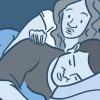
Struggling to Sleep?
… it. That’s because this disorder only occurs during sleep. Sleep apnea is when you have pauses in breathing while you’re asleep. These pauses can last from seconds to minutes. You may have … ethnicities, and in people of all sizes and shapes,” says Dr. Michael Twery, a sleep expert at NIH. The most common type of sleep apnea is called obstructive sleep apnea. Any air that squeezes … the brain doesn’t send the correct signals to your breathing muscles, so you stop breathing for brief periods. So how can you tell whether you may have this disorder? One of the most common …
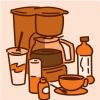
Tired or Wired?
… A hot cup of coffee or tea is a highlight of the morning for some people. It can make you feel awake and alert. Caffeine is the chemical that causes these … sensations. But does caffeine have other effects on the brain? Caffeine is found naturally in tea and coffee. But it is added to energy drinks and many types of soda. It’s even put in some … feel at the end of the day—that’s adenosine,” explains Dr. Sergi Ferre, a brain scientist at NIH. Its buildup tells your brain when it’s time to rest. Caffeine blocks adenosine from working …

Halting Hypothermia
… body temperature is 98.6 °F. Just a few degrees lower—below 95°—can be dangerous, especially for the very young and very old. “The body is finely tuned to operate within a narrow temperature range inside the body, despite large differences in temperature outside the body. We have all sorts of mechanisms—like adjusting the size of our small blood vessels and shivering—to help us maintain a healthy body temperature,” says NIH’s Dr. Basil Eldadah, who oversees research on the medical care of older adults. “But older …

The Persistence of Plastics
… ago, plastics have become part of our daily lives. Our food and drinks are often packaged in plastics. Plastics are also found in fabrics, toys, tools, and more. Plastic packaging can … small size has made nanoplastics especially hard to detect and study. Earlier this year, an NIH-supported research team developed a powerful new imaging method that could detect both micro- … But scientists do know that some chemicals used in plastics manufacturing can cause problems. For instance, bisphenol A (BPA) and phthalates have been linked to various health concerns. …

Taking on Teeth Grinding and Clenching
… Do you wake up with a tired or sore jaw in the morning? It could be a sign that you’re grinding or clenching your teeth at night. Over … until they’re told by a bedtime partner,” explains Dr. Dena Fischer, a dental health expert at NIH. You can grind your teeth during the daytime, too—although clenching your jaw is more common. … can make you a custom fitted guard to protect your teeth. You also may need to be tested for sleep disorders. Researchers are examining if issues like sleep apnea, which cause people to …
NIH Office of Communications and Public Liaison
Health and Science Publications Branch
Building 31, Room 5B52
Bethesda, MD 20892-2094
Contact Us:
nihnewsinhealth@od.nih.gov
Phone: 301-451-8224
Share Our Materials: Reprint our articles and illustrations in your own publication. Our material is not copyrighted. Please acknowledge NIH News in Health as the source and send us a copy.
For more consumer health news and information, visit health.nih.gov.
For wellness toolkits, visit www.nih.gov/wellnesstoolkits.