A monthly newsletter from the National Institutes of Health, part of the U.S. Department of Health and Human Services
Site Menu
NIH Websites Are Changing
NIH is moving the launch of its new website to the fall to ensure the best possible experience for everyone who relies on our websites for health information, research, funding opportunities, and other resources.
A study found that the drug teplizumab helped people at risk for type 1 diabetes. The drug delayed the average time to the start of the disease. Some who were treated in the trial have yet to develop symptoms. People with type 1 diabetes need to take insulin to control their blood sugar. Insulin is a hormone that helps blood sugar enter the body’s cells, where it’s used for energy. If not well…
COVID-19 vaccines are a key part of overcoming the pandemic. Fully vaccinated people can start doing some of the things they had to stop. This includes visiting friends and loved ones who are also fully vaccinated. You might still have questions about vaccines. How do they work? How do scientists know they’re safe? It’s important to know these answers and share them with others. Vaccines are the…
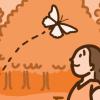
Paying attention to what’s going on right this second can be hard. We often spend more time thinking about what’s coming up in the future. Or dwelling on things in the past we can’t change. We can miss out on experiencing the present. It’s possible to train yourself to focus on the present moment. You become aware of what’s going on inside and around you—your thoughts, feelings, sensations, and…, Health Benefits of Mindfulness, Studies suggest that focusing on the present can have a positive impact on health and well-being. Mindfulness-based treatments have been shown to reduce anxiety and depression. There’s also evidence that mindfulness can lower blood pressure and improve sleep. It may even help people cope with pain. “For many chronic illnesses, mindfulness meditation seems to improve quality of life and reduce…, Developing Healthy Habits, Being mindful may also help you make healthier choices. Loucks’s team at Brown created an eight-week mindfulness program for people with high blood pressure. They studied whether the program increased participants’ awareness of their habits. This included how they ate. The study found that participants chose a healthier diet after taking the course. You can bring mindfulness to your eating habits…, Learning To Be Mindful, If you want to practice mindfulness, there are many online programs and apps. But they’re not all created equal. Experts suggest looking for resources from medical schools and universities. Check to see if they’re evidence-based. Dimidjian’s team developed an eight-week self-guided online mindfulness program. Her studies showed that the program helped reduce symptoms of depression more than a…
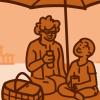
After a long winter cooped up, the arrival of sunny days can make you eager to be outside. Getting outdoors can be good for you in many ways. It provides opportunities for exercise. It can also boost your mental health. But as the heat rises, some health risks also increase. Intense heat can put strain on both your body and brain. Too much heat can cause a heat-related illness called hyperthermia…
Not sleeping enough can harm your health. It raises your risk of many diseases and disorders. A new study found this may include dementia. The study looked at data from about 8,000 people in Britain starting at age 50 who were in a long-term health study. Participants were asked how many hours they slept per night. They reported on their sleep six times over a 30-year period. Some also wore a…
Scoliosis is a disease that causes the spine to curve. It can result in an abnormal s-shaped or c-shaped curve. Anyone can get scoliosis. But it’s most common in children age 11 and older. Many children and teens with mild scoliosis have no symptoms or pain. They may have changes in their posture. Their shoulders or hips may look uneven. Scientists don’t know what causes the disease, but think…
Why should you consider getting a COVID-19 vaccine? Hear Dr. Anthony Fauci explain why getting vaccinated is key to ending the pandemic. Learn why it’s safe and important. These quick interviews (in English or Spanish) give you the facts about COVID vaccines.
It’s easy to sit more than you should. Many people sit at desks during the day, where we’re inactive for long periods of time. Moving more and sitting less can have major health benefits. Getting regular physical activity is one of best things you can do for your health. Experts recommend adults get at least 150 minutes (two and a half hours) of moderate physical activity a week. That means doing…, Benefits for Everyone, Physical activity has powerful benefits for almost everyone. “If we could bottle up what physical activity does for us, we would probably have the most powerful pill ever developed,” says Dr. John Jakicic of the University of Pittsburgh. Jakicic is an expert on physical activity and weight control. Physical activity can help you feel and function better. It can improve your sleep, energy level,…, How to Move More, Physical activity doesn’t mean you have to go to the gym. Getting more active can include simple things like carrying your groceries or taking the stairs instead of the elevator. “People mistakenly think that you have to do it a certain way,” says Jakicic. “That you have to get your heart rate into a certain zone, you have to work really, really hard, and you have to go to a special facility and…, A Step in the Right Direction, Walking is an easy way to get moving. But some places make that easier than others. Studies have found that your neighborhood can affect how active you are. Scientists have asked what makes a neighborhood “walkable.” “We found that things like having destinations close by to where you live certainly encourages more walking,” says Dr. Brian Saelens of the University of Washington and Seattle…, Strategies to Get Moving, Knowing you should be more active and doing it are two different things. Studies have found that the approaches that work vary from person to person. “One solution that may work for one person may not work for others,” notes Chen. Some find that using wearable devices or phone apps to track progress can be motivating. Other people may benefit from joining a group that does physical activity…
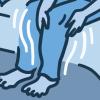
Do you feel an overwhelming need to move your legs when sitting or lying down? Do these sensations make it hard to fall or stay asleep? These can be signs of restless legs syndrome, also known as RLS. RLS is caused by problems with the way the nerves in the brain and body communicate with each other. These problems result in a strong, sometimes overwhelming urge to move the legs. This urge often…
Researchers designed an app to help identify toddlers with autism spectrum disorder (ASD). ASD can cause problems with communication and social behaviors. Symptoms usually appear before a child turns two. But ASD can be tricky to diagnose. The new app tracks eye movements while toddlers watch specially designed videos on a tablet or smartphone. Past studies found that toddlers with ASD tend to…
Share Our Materials:
Reprint our articles and illustrations in your own publication. Our material is not copyrighted. Please acknowledge
NIH News in Health
as the source and send us a copy.
For more consumer health news and information, visit
health.nih.gov.