
A monthly newsletter from the National Institutes of Health, part of the U.S. Department of Health and Human Services
Search

Highly Processed Foods Linked to Weight Gain
… A study found that when people consumed a diet of highly processed foods, they took in more calories and gained more weight than when on a diet of minimally processed foods. … effects of a highly processed and a minimally processed diet in 10 men and 10 women residing for four weeks at the NIH Clinical Center. Each diet lasted for two weeks. People received three meals per day plus …

Experts Lower “High” Blood Pressure Numbers
… experts recently changed the definition of high blood pressure. Blood pressure is measured in two numbers, like 120/80 mm Hg. The first number is the pressure that the heart uses to push … second number is the pressure when the heart is at rest between beats. Normal blood pressure for an adult is below 120/80. NIH-sponsored research played an important role in providing evidence that the definition of high …

Surgery May Help More People After Stroke
… a stroke. The most common types of strokes are caused by a clot that blocks a blood vessel in the brain. These are called ischemic strokes. Strokes are a medical emergency. When blood … can restore blood flow. Surgery to remove a blockage, called a thrombectomy, was approved for up to six hours after a stroke. A research team tested whether it could help for up to 16 … were less likely to die. They were also likely to be more independent after their recovery. NIH ended the study early because of the success of the surgery. “These striking results will …

Probiotic May Stop Staph
… A new study suggests that people who have a certain helpful microbe, or probiotic, in their gut may be less likely to have harmful “staph” germs. Staph is short for … Staphylococcus aureus … . It’s a very common germ. Staph usually doesn’t cause problems. … infections. But some staph germs are resistant to treatment. These infections can be deadly. NIH-funded researchers have been studying whether probiotics can help prevent staph infections. … …

Lasting Protection From Peanut Allergy
… Peanut allergy is one of the most common food allergies. It often begins in childhood and usually lasts for life. Symptoms include hives, lip swelling, and trouble breathing. It can even be deadly. Several years ago, an NIH-funded study found that kids who began eating foods with peanuts as infants were less likely …

Join the Fight Against Superbugs
… called superbugs. Sadly, our excessive use of antibiotics is partly to blame. A new video from NIH, … Fighting Superbugs … , can help you learn more about what you can do to help win this … include types of tuberculosis, staph infections like MRSA, and gonorrhea. You can help in the fight against superbugs. First, there’s prevention. Try not to spread infectious bacteria. … and healthy eating. Your second line of defense is using antibiotics properly. Don’t ask for antibiotics if your doctor doesn’t recommend them—they should only be taken when necessary. …

Whole Person Health
… matters, too. Where you’re born and grow up, and where you live and work influence your risk for many diseases. Whole person health looks at all the factors that affect your well-being. … not separate things. Instead, you can think of them as a path that’s connected, with health in one direction and disease in the other. Some things move you toward health, and some things … diseases worse. These include diabetes, heart disease, obesity, chronic pain, and depression. NIH researchers continue to study the connections between lifestyle, diet, biology, health, and …
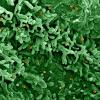
Monkeypox: What You Should Know
… is spreading across the country. The virus got its name because it was first discovered in monkeys in 1958. But it likely came from other animals. Since then, the virus has also … feet, or face. Anyone who has been in close contact with someone who has monkeypox is at risk for infection. The virus usually spreads by three main routes: by touching a rash or body fluid … until the rash has fully healed and healthy skin has formed. This can take several weeks. NIH played a key role in developing and testing vaccines that are now being used to prevent …

Healthy Weight Control
… many reasons to maintain a healthy weight all year round. A healthy weight lowers your risk for chronic diseases, like diabetes, heart disease, and certain cancers. It can also help you stay more mobile as you age. Excess weight comes from taking in more energy, or calories, than your body needs. Some extra energy may be stored as fat. Many … we all live in an obesity-promoting environment to some degree,” says Dr. Susan Yanovski, an NIH expert on obesity and eating disorders. “We are constantly tempted with low-cost, …

My Mental Health: Do I Need Help?
… It can be difficult to know when to seek help for your mental health. This NIH resource can help guide you. Learn which symptoms may be signs that it’s time for professional help. …
NIH Office of Communications and Public Liaison
Health and Science Publications Branch
Building 31, Room 5B52
Bethesda, MD 20892-2094
Contact Us:
nihnewsinhealth@od.nih.gov
Phone: 301-451-8224
Share Our Materials: Reprint our articles and illustrations in your own publication. Our material is not copyrighted. Please acknowledge NIH News in Health as the source and send us a copy.
For more consumer health news and information, visit health.nih.gov.
For wellness toolkits, visit www.nih.gov/wellnesstoolkits.