
A monthly newsletter from the National Institutes of Health, part of the U.S. Department of Health and Human Services
Search

Palliative Care For Serious Illness
… Palliative care is more than end-of-life care. It’s an added layer of care to support and improve the quality of life for someone with a serious illness. You receive palliative care in addition to your treatments. This type of care is also known as comfort care, symptom … help for coping with the psychological, spiritual, and social challenges of a serious illness. NIH offers a text-messaging service for people who want to learn more about palliative care. The …

Inspire Others to Move More and Eat Better
… women have a high risk of being overweight. The “Sisters Together” program was developed by NIH and other experts, along with black women in the Boston area who volunteered to help. The program encourages black women to get physically …
Going Under
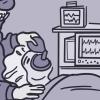
… Local anesthesia numbs a small part of the body, such as a tooth. Regional anesthesia is used for larger areas of the body such as an arm, a leg, or everything below the waist. People … feel pain or move. It’s used for long or invasive procedures. Every year, millions of people in the nation undergo general anesthesia. “Doctors and nurses have used general anesthesia for over 170 years,” explains Dr. George Mashour, an NIH-funded anesthesia expert at the University of Michigan. Since that time, new drugs and …
Spotlight on Brain Tumors
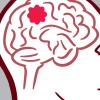
… A tumor in the brain isn’t like tumors in other parts of your body. It has limited room for growth … possible symptoms of brain tumors can help you know when to tell a doctor about them. A tumor is an abnormal mass of cells. When most normal cells grow old or get damaged, they die, and new … “There are over 130 different types of primary brain tumors,” says Dr. Mark R. Gilbert, an NIH brain tumor expert. About 80,000 people in the U.S. are diagnosed with a primary brain tumor …

The Problem That Piles Up
… about people who hoard mail, gadgets, cats, and even trash. Or, maybe for you, the reality is a little closer. It could be a neighbor or a family member. When people aren’t able to throw … people with hoarding disorder have lost control of their decision-making abilities.” Tolin’s NIH-funded research suggests why it’s hard for people with this disorder to part with items, even … he says. “If they don’t have to make a decision, the parts of their brain that are largely in charge of becoming bothered are underactive.” But if they are forced to decide about whether …
Care and Connection
… important for your health. Social isolation and loneliness can both cause problems. “Isolation is about whether other people are physically there or not. Being lonely is about not feeling connected to others. You can feel lonely in a room full of people,” explains Dr. Steve Cole, an NIH-funded researcher at the University of California, Los Angeles, who studies loneliness. …

Smelling Sickness
… body odors can signal a health problem. But most breath and body odors are normal. “Bad breath is most often caused by bacteria on the teeth and tongue,” explains Dr. Madeleine S. Deming, an internal medicine expert at the NIH Clinical Center. It’s normal if your breath smells a little in the morning, especially if you slept with your mouth open. A dry mouth allows bacteria to …

An Ounce of Prevention
… cancer may have no symptoms at the start. Screening refers to looking for signs of disease in seemingly healthy people. Finding problems early can help you start treatment and make helpful … really lowered our rates of death and disease,” says Bob McNellis, a public health expert at NIH. Teams of experts develop guidelines for who should be screened with these tests, and how … For example, a test may suggest that you have a disease when you actually don’t. This is called a false positive result and can lead to stress and unnecessary follow-up testing that …

Cloudy Vision?
… well enough to read, drive, or do other daily activities. One common cause of cloudy vision is cataracts. These form in the lens of your eye. Cataracts are a normal part of aging. They occur when proteins in the … who lives long enough gets cataracts,” says Dr. Chantal Cousineau-Krieger, an eye surgeon at NIH. Some people may develop cataracts at an earlier age than others. Smoking or exposure to lots …

Recognizing RSV
… virus has been on the rise this year. It’s called respiratory syncytial virus, or RSV. RSV is usually more common in the fall, winter, and spring. But this year, infections have surged over the summer. This is … like masking and social distancing, says Dr. Barney Graham, a physician who studies viruses at NIH. Almost everyone catches RSV before the age of 2. It’s one of the most common causes of …
NIH Office of Communications and Public Liaison
Health and Science Publications Branch
Building 31, Room 5B52
Bethesda, MD 20892-2094
Contact Us:
nihnewsinhealth@od.nih.gov
Phone: 301-451-8224
Share Our Materials: Reprint our articles and illustrations in your own publication. Our material is not copyrighted. Please acknowledge NIH News in Health as the source and send us a copy.
For more consumer health news and information, visit health.nih.gov.
For wellness toolkits, visit www.nih.gov/wellnesstoolkits.