
A monthly newsletter from the National Institutes of Health, part of the U.S. Department of Health and Human Services
Search
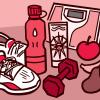
Lowering Your Cancer Risk
… Most people know someone who’s had cancer: a family member, a friend, a loved one. Who gets it can sometimes seem random. But there are many things you can do to reduce your risk. … time, there are many opportunities for prevention. “Not smoking, maintaining a healthy weight, getting enough physical activity, limiting alcohol, and eating a nutritious diet are all … these critical situations, in real time,” he says. These apps are still being tested. You can get free help now by visiting smokefree.gov , calling 1-800-QUIT-NOW (1-800-784-8669), or by …

Clearing the Air
… Nobody likes being sick with a virus. It can feel even worse if you get your loved ones sick, too. But you can keep your family healthier by learning ways to prevent … and severe acute respiratory syndrome (SARS). Exactly how many particles you need to inhale to get sick isn’t clear. And how many you breathe in can depend on many different factors. … … aerosols to go. When aerosols collect in the air, you’re more likely to breathe them in and get infected. That’s why many outbreaks of COVID-19 were traced to places with poor ventilation …

Mouth Microbes
… about the single microbe that causes disease,” Palmer explains. You can’t stop tooth decay by getting rid of just one type of acid-making microbe. There are several different types of … a dental researcher and oral health expert at the University of Pennsylvania. Tooth decay can get worse very fast. The microbe matrix and acid from bacteria are thought to be the main cause … fungus is there, it boosts up the entire machinery.” Koo’s team has shown that some fungus can get energy from sugar that bacteria release while making acid. The fungus then releases …
From A to Zika
… or viruses that once only infected animals to infect people. Bacteria and viruses often get from animals to people by way of insects and parasites. The most common of these are … some other better-known diseases. In comparison, experts estimate that over a million people get the flu every year in the U.S. Most people who catch a disease carried by mosquitoes or ticks … contact with diseases that are rare in the U.S. Before you travel, talk to your doctor about getting vaccinated. It will help keep you safe and healthy. It will also help make sure that you …

Your Microbes and You
… healthy bacteria are filling all those little niches so that the more dangerous bacteria can’t get a foothold onto the skin,” says Dr. Julie Segre of NIH. Segre and other NIH researchers … see how different ones affect your skin. Many researchers worry that some people are trying to get too clean. Blaser thinks that people are using sanitizers and antibiotic products too often … there are many bad germs, but I think we’ve gone overboard and it looks like trying to get rid of the bad guys has had a collateral effect on the good guys.” You’re never alone when it …

Positive Parenting
… Parents have an important job. Raising kids is both rewarding and challenging. You’re likely to get a lot of advice along the way, from doctors, family, friends, and even strangers. But every … development, social interaction, and safety. If parents are inconsistently available, kids can get distressed and feel hurt, rejected, or ignored. They may have more emotional outbursts and … they depend more on you to help them regulate their emotions, whether to calm them or help get them excited. “They’re watching you to see how you do it and listening to how you talk to …

Preparing for Menopause
… grow further and further apart. At some point, they stop completely, and she can no longer get pregnant. This is because the ovaries aren’t releasing eggs and making … what time it is,” Joffe advises. She also says to avoid tossing and turning. If you wake up, get out of bed briefly to read and then get back into bed to go back to sleep. Exercise can also … You can make midlife your time for optimizing well-being by eating well, exercising, and getting quality sleep. The healthier you are at midlife, the more successful you’ll be combating …

Beyond Basic Blood Tests
… an important window into what’s happening under the skin. “So many biochemical compounds get absorbed from the tissues of the body into the blood. This makes the blood a really good … that define features, like your risk for certain diseases.] or even whole cancer cells, can get into the bloodstream. Researchers have developed tests to look for such substances in the … be to treat very early,” Sperling says. But she does not recommend people without symptoms get blood tests done outside of studies just yet. Some blood tests that claim to detect …

Connective Tissue Disorders
… for better ways to diagnose and treat conditions that lead to connective tissue damage. Getting treatment may help improve a person’s quality of life. But connective tissue disorders … a connective tissue disorder in the family can delay diagnosis, Gensemer explains. “People can get accustomed to thinking that something painful is normal,” she says. “You might say something … provide a definitive, easy, objective diagnosis,” Gensemer says. “It would also let people get a diagnosis earlier.” … Living With Connective Tissue Disorders … Researchers hope that a …

Keep Your Lungs Healthy
… asthma, Blake says. But many don’t. If you don’t treat your asthma, the symptoms are likely to get worse over time. In COPD, the tubes that carry air in and out of the lungs become partly … for the disease. But about 1 out of every 4 people who develop COPD has never smoked. COPD gets worse with time. But treatments can slow its progression and make you feel better. … earlier can help people live longer. They’re also working on new drugs that may stop COPD from getting worse. … Restricted Breathing … Another group of lung diseases are called interstitial …
NIH Office of Communications and Public Liaison
Health and Science Publications Branch
Building 31, Room 5B52
Bethesda, MD 20892-2094
Contact Us:
[email protected]
Phone: 301-451-8224
Share Our Materials: Reprint our articles and illustrations in your own publication. Our material is not copyrighted. Please acknowledge NIH News in Health as the source and send us a copy.
For more consumer health news and information, visit health.nih.gov.
For wellness toolkits, visit www.nih.gov/wellnesstoolkits.