A monthly newsletter from the National Institutes of Health, part of the U.S. Department of Health and Human Services
Site Menu
NIH Websites Are Changing
NIH is moving the launch of its new website to the fall to ensure the best possible experience for everyone who relies on our websites for health information, research, funding opportunities, and other resources.
… that didn’t agree with you. Or you had an infection that made you sick to your stomach for a few days. But if pain and other gut symptoms go on for weeks or longer, something more … can help you figure out what foods might be irritating your gut. Acid reflux can also often be improved by changes in your diet and medication. Treatment isn’t one-size-fits-all for IBS, Lembo … So, people with high-risk disease may get these drugs first now, he explains. … Looking forBetter Treatments … Researchers are searching for new ways to prevent and manage gut disorders. …
… you live a longer, healthier life. When you hear the word ‘exercise,’ you might think of going for a run or hopping on a bicycle. Or maybe playing soccer with your kids or basketball with your … Some types of strength training keep your bones healthy, too. Strength training can also improve the way your body processes food to help prevent diabetes and related diseases. “And like … who already had difficulty walking. At the end of the study, participants who lifted weights improved at tasks like repeatedly bending their knees. Such movements are essential for …
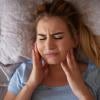
… ear pain, or headache? If so, you may have a condition called bruxism. That’s the medical term for clenching your jaw or teeth or grinding your teeth. Mild or occasional tooth grinding or … to a health care provider. They might suggest ways to reduce stress, relieve depression, or improve sleep. They can also suggest how to protect your teeth and break the habit of tooth grinding. Visit your dentist regularly. They can check for signs of bruxism, such as tooth wear and jaw muscle tenderness. Learn more about bruxism . …
… Is your doctor sending you for an MRI, a CT scan, or other medical scan? Do you know what to expect? Or how the test results … app has lots of information that will help you prepare for a medical scan. Plus, you’ll be better able to ask your health care team specific questions about the procedure. Download the app …
… Getting enough physical activity is vital for your health at any age. Guidelines recommend that adults get at least 150 minutes (or two and … all activities provided benefit. “The most important thing an inactive older adult can do to improve their health is find an activity that they enjoy and can stick with,” says NIH researcher …
… often have a common sense of community. But living in a rural area can also bring challenges for staying healthy. Studies have found that rural Americans are more likely to die prematurely … That can make it harder to get the things you need to stay healthy. Many rural Americans, for example, live far from grocery stores. Convenience stores may be the only nearby option. … And some rural areas have limited broadband service. Other approaches have the potential to improve rural health. Mail-order pharmacies make getting medications easier. Mobile health …
… Aubrey Miller, an NIH expert on environmental disasters. NIH-funded researchers are looking for ways to keep people safer when these natural disasters strike. Smoke contains tiny pieces of … anxiety, depression, and post-traumatic stress disorder (PTSD). Researchers are looking forbetter ways to measure and counter wildfires’ health effects. They’re also starting to collect …
… this unusual disorder. Scleroderma can occur in people of all ages, races, and ethnic groups. For unknown reasons, it’s more common in women than men. Scleroderma symptoms vary widely and are … Localized scleroderma usually affects only the skin, which becomes hard and tight. It may improve without treatment. But severe cases can leave skin damaged. Systemic scleroderma is often …
… sleep apnea testing. Sleep apnea is a condition where breathing stops or gets very shallow for periods during sleep. The people in the study wore a device that measured when they were awake or asleep for a week. They also kept a sleep diary. The researchers examined how long people slept, how … people with sleep apnea don’t know they have the condition. “Our results reaffirm the need to improve the screening and diagnosis of sleep apnea, both in African Americans and other groups,” …
… over time. About 5% of women experienced high levels of depressive symptoms that stayed high for three years. Women who had a previously diagnosed mood disorder were the most likely to have … says NIH scientist Dr. Diane Putnick, who led the study. “These long-term data are key to improving our understanding of mom’s mental health.” …
Share Our Materials:
Reprint our articles and illustrations in your own publication. Our material is not copyrighted. Please acknowledge
NIH News in Health
as the source and send us a copy.
For more consumer health news and information, visit
health.nih.gov.