
A monthly newsletter from the National Institutes of Health, part of the U.S. Department of Health and Human Services
Search

Hurtful Emotions
… People deal with difficult feelings in all sorts of ways. They may talk with friends, go work out, or listen to music. But some … in non-suicidal self-injuring behaviors are teenagers,” says Dr. Jennifer Muehlenkamp, an NIH-funded psychologist at the University of Wisconsin-Eau Claire. Around 2 out of 10 teens and … from a direct clinical intervention.” If you’re a parent or caregiver who’s concerned, look for frequent unexplained injuries and clues like bandages in trash cans. Watch to see if the …

When Food Consumes You
… nervosa, and anorexia nervosa. Binge-eating disorder is the most common eating disorder in the United States. “Binge-eating is not just a lot of overeating,” explains Dr. Cynthia Bulik, … or fasting. They’re often able to maintain a normal weight because they compensate for the extra calories. But bulimia nervosa can cause other health issues, like heart … and culture can all influence whether someone develops one of these complex conditions. Some NIH-funded researchers are studying possible genetic causes for eating disorders. Others are …

Tick Tock: Your Body Clocks
… at mealtimes, and sleepy at night. Keeping your body’s daily cycles, or circadian rhythms, in sync is important for your health. “Circadian rhythms are big influencers in the body,” explains NIH’s Dr. Michael Sesma, an expert in circadian biology. “They affect almost every part of your …

Managing Multiple Sclerosis
… on which parts of the brain and spinal cord are affected. A typical symptom is blurry vision in one eye. It may develop over a day or two. It may be painful to move the eye. Or, you may have … is not being able to move or feel a leg. These symptoms, also known as MS attacks, may last for days or weeks. Most people will have one attack that resolves over time. Later, they might … be greater. “We know that genes play a major role,” says Dr. Daniel S. Reich, an MS expert at NIH. Research shows that hundreds of genes are involved. Most of these genes are related to the …
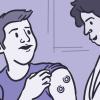
The Fungus Among Us
… some fungi can cause skin problems, lung infections, and other diseases. Fungi typically live in soil and on plants. But they can also thrive indoors. They can float through the air just like … against invading viruses, bacteria, and other microscopic threats.] … are at much higher risk for infections that could become serious (see the Wise Choices box). Diagnosing a fungal … find an antifungal that’s able to kill the fungus without also hurting human cells,” he says. NIH-funded researchers are working on developing new antifungal drugs with fewer side effects. …
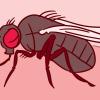
The Mighty Fruit Fly
… Fruit flies can be a major nuisance. How can you help but be annoyed when they hover in swarms over fruits, around picnics, and in garbage? But before you give them a swat, take a moment to be thankful for the common fruit fly. These pests have given scientists surprising insights into how the … to learn more about how the genes work and what they do. By studying flies, for example, one NIH-supported research team discovered more than 40 genes that cause rare genetic diseases in …

Sound Check
… many parts of your body to work together. Your brain thinks of ideas. Your lungs move air in and out. Your vocal cords vibrate. Your mouth and nose help shape sound. “Our whole body … are testing ways to use apps and other tools to let people measure such information at home. For example, a recent study showed that a computer program could identify patients with … if needed. It could also provide early warning that someone’s health is declining. Other NIH-funded research teams are testing speech analysis to screen for additional mental health …

Discovering VEXAS
… Scientists recently discovered a new disease, called VEXAS, which can appear suddenly in midlife. It’s characterized by repeated attacks of [qtip:inflammation|The heat, swelling and … also affect the lungs and cause coughing and shortness of breath. (See the Wise Choices box for more symptoms.) Scientists recently discovered that VEXAS is caused by mutations, or changes, … blood cancers are being tested for treating the effects of VEXAS on blood and bone marrow. NIH is currently recruiting participants for a clinical trial to see if bone marrow transplants …

Focusing on ADHD
… called attention deficit hyperactivity disorder, or ADHD. ADHD is a common brain condition in children. Nationwide, more than 1 in 10 kids ages 4 to 17 have been diagnosed with ADHD. Many will have all or some of their symptoms as adults too. While there’s no cure for ADHD, it can be treated and managed with medication and therapy. “Kids with ADHD are impaired … the community,” says Dr. Benedetto Vitiello, a psychiatrist and child mental health expert at NIH. “The diagnosis is made because the level of hyperactivity or lack of concentration is …

Face Masks and COVID-19
… even protect against COVID-19? “Yes, absolutely,” says Dr. Adriaan Bax, a biophysicist at NIH. He has been testing how well different types of masks work. Masks, he explains, can help stop the spread of COVID-19 for a few reasons. First, masks can trap fluid droplets that exit the mouth while you’re … nearly all droplets produced during speech. After droplets leave someone’s mouth, the water in them quickly evaporates. This causes the droplets to shrink. These shrunken droplets are …
NIH Office of Communications and Public Liaison
Health and Science Publications Branch
Building 31, Room 5B52
Bethesda, MD 20892-2094
Contact Us:
nihnewsinhealth@od.nih.gov
Phone: 301-451-8224
Share Our Materials: Reprint our articles and illustrations in your own publication. Our material is not copyrighted. Please acknowledge NIH News in Health as the source and send us a copy.
For more consumer health news and information, visit health.nih.gov.
For wellness toolkits, visit www.nih.gov/wellnesstoolkits.