A monthly newsletter from the National Institutes of Health, part of the U.S. Department of Health and Human Services
Site Menu
NIH Websites Are Changing
NIH is moving the launch of its new website to the fall to ensure the best possible experience for everyone who relies on our websites for health information, research, funding opportunities, and other resources.
Looking for alcohol treatment can feel overwhelming. NIH’s Alcohol Treatment Navigator can help. It offers a three-step road map to find science-backed care that can raise your chance for success. You can search for alcohol treatment for yourself or a loved one.
Some hazards in the home are easy to see. Like a loose electrical socket. Or torn carpet on the stairs. But others are harder to spot. And some are invisible, in the very air you breathe. These include lead, mold, and radon. But there are ways you can find and fix these unseen hazards. Learning about possible toxins in your home may be concerning. But knowledge can help you take action., Getting the Lead Out, Lead is a naturally occurring metal. It’s used to make many products, like car batteries. But it doesn’t belong in your body. It causes damage to the brain and nervous system. Lead exposure is especially dangerous for children. There is no “safe” level of lead in the bloodstream. Lead exposure causes problems with thinking, learning, and memory, says Dr. Aimin Chen, an environmental health…, Water and Mold, If you’ve ever left a loaf of bread or piece of fruit out too long, you’ve likely seen mold grow. Most types of mold are harmless. But some can be dangerous. They can produce compounds that trigger allergies or asthma attacks. Mold can grow in buildings when water gets in, explains Dr. Matthew Perzanowski, an allergy and [qtip:asthma|A chronic lung disease that causes wheezing, coughing, chest…, Radon on the Radar, You likely know that smoking cigarettes is one cause of lung cancer. But cigarettes aren’t the only toxin that increases that risk. An odorless, colorless, radioactive gas called radon can cause lung cancer, too. Radon gas is found naturally in nearly all types of rock, in all parts of the country. It’s a risk if it gets inside. It can seep through cracks in floors, walls, and the foundations of…
Do you hear sounds that no one else can hear? It might be a ringing. A clicking. Or maybe a buzzing, hissing, or humming. Hearing such noises can be disconcerting—especially if they don’t go away. Some people hear these noises for a few hours. Others may hear them for a lifetime. This condition is called tinnitus. About 10% of U.S. adults have experienced tinnitus that lasted for at least five…
The virus that causes COVID-19, SARS-CoV-2, travels through the air in droplets. It’s spread when people cough, sneeze, or talk. As schools reopened, researchers have been looking at how best to keep kids safe. A new study found that mandatory masking reduces the spread of COVID-19 in schools. Researchers tracked COVID-19 infections within 61 school districts, grade 12 and lower. Six of the…
Throbbing, aching head? You’re not alone. Nearly everybody has had a headache. It’s one of the major reasons people visit the doctor and miss work or school. Not all headaches are the same. They can differ in how severe the pain is and how often you get them. Some people may get them only once in a while. Others may get them daily. What causes headaches varies. Some types of headaches run in…
Your Healthiest Self: Wellness Toolkits offer science-based health tips in five different areas. Learn simple ways to prevent disease. Find tips to improve your relationships, emotional and physical well-being, and surroundings. Order copies or print them yourself in English or Spanish .
Your body’s disease defense system, called the immune system, goes to battle every day. It helps keep you healthy by fighting off viruses and bacteria that sneak into your body. But sometimes, your immune system makes mistakes. If it sees your body’s healthy cells as a threat, it may attack them. This can cause an autoimmune disorder. There are many different autoimmune diseases. Some involve…, What Are the Triggers?, Some autoimmune diseases are rare, but others are fairly common. About 1% of people in the U.S. have rheumatoid arthritis, explains Dr. Mariana Kaplan, an NIH specialist in autoimmune diseases. Rheumatoid arthritis damages the joints. Certain [qtip:genes|Stretches of DNA you inherit from your parents that defines features, like your risk for certain diseases.] put you at higher risk for…, Getting a Diagnosis, A diagnosis of an autoimmune disease can take time, says Grayson. Especially if it’s one that affects many parts of the body. People often turn to different doctors for different symptoms. “If you’re seeing, for example, an eye doctor, a skin doctor, and a lung doctor separately, they may not see that your symptoms are connected,” says Grayson. Symptoms of autoimmune diseases can also mimic those…, Tamping Down the Attack, There are no cures for autoimmune disorders yet. But researchers have made progress in managing symptoms. Drugs called corticosteroids are often the first treatment for an autoimmune disease. “They work quickly, and they’re effective,” Mammen says. But steroids suppress your entire immune system. So they can have serious side effects. These include high blood pressure, bone loss, and weight gain…
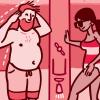
When the weather gets warm, you may want to get outside for some fun in the sun. Going to a pool, lake, or beach often tops that list. Spending time in the water can bring health hazards. But some simple habits can help keep your summer fun—and healthy. Many different germs and organisms can live in water. These include bacteria, viruses, parasites, and plant matter that can make you sick. A lot…, Cryptosporidium, (Crypto) and, Giardia intestinalis, . But bacteria, like, E. coli, , and viruses can also be the cause. Many water-borne germs come from the poop of people and animals. So it’s important to never go to the bathroom or to change dirty diapers near the water. If you bring a pet, be sure to pick up after them. Pools are often treated with a chemical called chlorine to kill germs. But it doesn’t work on all of them immediately. Some, like Crypto, can linger for days…, enterococcus, ., Enterococcus, lives in the guts of people and animals. High levels of the bacteria can mean the water is contaminated with poop. That often means that other germs are present, too. His group works with local partners to create daily water forecasts. The forecasts predict which areas may have high levels of bacteria. They alert local residents using the websites howsthebeach.org and howsmyscriver.org . Porter…, Vibrio vulnificus, (Vibrio). Vibrio can make you very ill if you eat contaminated seafood. They are also flesh-eating bacteria. If they infect a wound on your skin and aren’t treated, it can lead to amputation or death. The team is trying to figure out what factors can predict an increased risk of Vibrio infections. Changes to the water’s temperature and salt levels may increase the bacteria’s growth. Another…
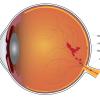
Fluid buildup at the back of the eye can cause swelling and leaky blood vessels. This is called macular edema. If left untreated, it can lead to blurred vision and eventually blindness. Retinal vein occlusions are one cause of it. These are blockages in veins in the retina (the light-sensing tissue in the back of your eye). A new study showed that treating blockages brings long-lasting benefits.…
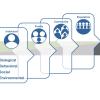
Many things affect your health. These include your biological makeup as well as your behavior. Eating a healthy diet, getting enough physical activity and sleep, and managing your stress can all help you stay healthy. But your environment matters, too. Where you’re born and grow up, and where you live and work influence your risk for many diseases. Whole person health looks at all the factors…
Share Our Materials:
Reprint our articles and illustrations in your own publication. Our material is not copyrighted. Please acknowledge
NIH News in Health
as the source and send us a copy.
For more consumer health news and information, visit
health.nih.gov.