A monthly newsletter from the National Institutes of Health, part of the U.S. Department of Health and Human Services
Site Menu
NIH Websites Are Changing
NIH is moving the launch of its new website to the fall to ensure the best possible experience for everyone who relies on our websites for health information, research, funding opportunities, and other resources.
Testing is important to stop the spread of COVID-19. PCR tests for COVID-19 are very accurate. They make many copies of the virus’ genetic material in a sample. That lets the test detect very low levels of virus. Learn more about how PCR testing works.
About 20% of Americans live in rural parts of the country. Rural areas have more space, fewer people, and scenic landscapes. Residents often have a common sense of community. But living in a rural area can also bring challenges for staying healthy. Studies have found that rural Americans are more likely to die prematurely from the leading causes of death in the U.S. These include heart disease,…, Geography and Healthy Living, How does where you live affect your health? The answer is complicated. Different places have different resources. Access to housing, education, jobs, health care, and healthy foods varies across America. And all can impact your health. “Poverty, unemployment, low education, and inadequate transportation are all known to contribute to poorer health,” says Dr. Brian Rivers, a cancer care expert at…, Care in Rural Areas, Another major obstacle can be finding a doctor. In many rural communities, there is a shortage of doctors. “It’s more difficult to provide many types of health care services in rural communities simply because there’s a lower availability of health care professionals,” says Dr. Ty Borders, an expert on rural health at the University of Kentucky. This can make it hard to get specialty care for…, The Role of Telehealth, Virtual visits may be one option for rural patients. Telehealth—delivering care on the phone or computer—has been expanding in recent years. Physicians can monitor patients with chronic conditions without the need for them to come into the office. This is critical for certain health conditions where providers are scarce. Someone with diabetes, for example, can take a blood sugar reading during a…, Tips for Rural Residents, If you live in a rural area and are looking to improve your health, Rivers suggests first identifying your health needs. Then figure out your obstacles. Is it transportation? Distance? Cost? Look for resources available in your community to help. Local faith-based organizations, social service agencies, and libraries are good places to start. “See if there are community health workers or health…
Medications are one of our most powerful weapons against germs and diseases. But sometimes when people take medications, they can have an allergic reaction. That’s when a drug causes the body’s [qtip:immune system|The system that protects your body from invading viruses, bacteria, and other microscopic threats.] to overreact. When that happens, they may not be able to use the drug again without…
Vaccines are the best way to protect yourself from COVID-19. But some people have concerns about rumored side effects. This includes whether the vaccines affect fertility. Getting COVID-19 can temporarily affect fertility. But there’s no evidence that vaccines against the disease do. In a large study, researchers probed the links between COVID-19 vaccines, infection, and fertility. They followed…
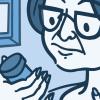
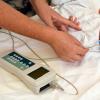
Most infants are screened for hearing loss before they leave the hospital. This helps doctors detect any hearing problems early and start treatment. Children with hearing loss who get help early develop better language skills than those who don’t. If your baby’s hearing isn’t tested at the hospital, you should get it checked by the time they’re one month old. Two tests can be used to check your…
PFAS are synthetic chemicals in products you might use every day. They’re used in non-stick cookware, food wrappers, carpets, and many other products. They’re also now found in most people’s blood. Learn more about PFAS and how they affect health.
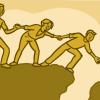
Everyone goes through tough times in life. But many things can help you survive—and even thrive—during stressful periods. There’s no one-size-fits-all approach. Learning healthy ways to cope and how to draw from resources in your community can help you build resilience. “Resilience is the extent to which we can bounce back from adverse events, cope with stress, or succeed in the face of adversity…, Finding Your Strengths, Stress can cause wear and tear on the body and brain. Chronic stress has been linked to an increased risk of many health conditions. These include heart disease, high blood pressure, depression, and anxiety. Many stressful situations can’t easily be changed by one person. And some—such as parenting or a challenging job—can be things you want to do, even if they’re taxing. But resilience isn’t…, Tapping Into Resources, Another part of resilience is about using the resources available to you. More and more, researchers are understanding that resilience doesn’t happen in a vacuum. “The presence of resilience in a person is related to the supports around them,” Burt says. For example, she and her team found that growing up in a very impoverished neighborhood can change the way a child’s brain develops. But when…, Choosing Your Tools, The tools that best help you offset stress can differ from situation to situation, says Bergeman. “Sometimes you have a stressor where you need to take action and solve the problem. But for other types of stressors, maybe you need emotional support,” she says. “A way to think about resilience may be: How do you match what you need with the kinds of tools that you have?” In a way, practice makes…
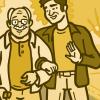
Being diagnosed with Parkinson’s disease is life changing. This brain disorder causes slow and rigid body movements. People can experience tremors, stiffness, or shaking. Eventually, they may have difficulty walking and talking. Parkinson’s is a degenerative disease. That means it gets worse over time. It develops when a certain type of nerve cell stops working normally or dies. These nerve cells…
Sleep is important for your mental and physical health. But nearly a third of U.S. adults don’t get enough. Some people turn to sleep aids for help. A new study found that the number of adults taking melatonin supplements to help them sleep has risen sharply. Melatonin is produced by the brain in response to darkness. It helps cue the body that it’s time to sleep. But studies have not…
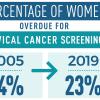
Cervical cancer starts in the cervix. The cervix is at the lower end of the uterus, where a fetus grows. Screening for cervical cancer has dramatically reduced new cases and deaths. But many women are overdue for getting one. Cervical cancer usually develops slowly over time. At first, it may not cause signs or symptoms. But it can be detected early with regular screenings. Screenings require a…
Share Our Materials:
Reprint our articles and illustrations in your own publication. Our material is not copyrighted. Please acknowledge
NIH News in Health
as the source and send us a copy.
For more consumer health news and information, visit
health.nih.gov.