A monthly newsletter from the National Institutes of Health, part of the U.S. Department of Health and Human Services
Site Menu
NIH Websites Are Changing
NIH is moving the launch of its new website to the fall to ensure the best possible experience for everyone who relies on our websites for health information, research, funding opportunities, and other resources.
Pathways is a magazine designed for students in grades 6–12. It aims to build awareness about basic science and how it’s important to health. The recent Vaccine Science issue highlights how mRNA vaccines work. It also explains how other tools help prevent outbreaks.
There are many reasons you might wait to have kids. You may want to focus on your career. Or save some money first. About 20% of women in the U.S. now have their first child after age 35. You may have heard that getting pregnant can be more difficult as you age. Or that it’s riskier for both the mom’s and the baby’s health. While these can be issues when having children later in life, many…, Getting Pregnant, It can be more difficult to get pregnant with age. There are many reasons for that. One is that fertility decreases as you get older—for both men and women. Women are born with a set number of eggs. Each month, a woman’s ovary releases an egg to be fertilized. This process is called ovulation. But before that, her body recruits many eggs in preparation for this process. A handful of eggs are…, Pregnancy Problems, If you’re over 35 and haven’t gotten pregnant after trying for six months, talk with your health care provider. You may be experiencing issues with infertility. Infertility is when a couple can’t get pregnant or a woman hasn’t been able to carry a pregnancy to term. NIH-funded researchers are studying the causes of infertility for both men and women. There are many reasons for infertility. “The…, Seeking Help, “If being able to have a child becomes an issue, there are treatments,” Eisenberg says. “The majority of women are able to have a child with help.” Treatments for infertility depend on the cause. Endometriosis and fibroids can be treated with drugs, surgery, and other methods. Medicines can help stimulate ovulation. These are called fertility drugs. Some are taken orally and others are injected.…, Staying Healthy, Infertility isn’t the only issue older couples face. “Whether a woman can have a baby as she ages also depends on her health,” Decherney says. “The chances of having diabetes or high blood pressure—which are the two major diseases that impact pregnancy—are higher.” Obesity, heart conditions, and cancer can also interfere with a woman’s ability to get pregnant or stay pregnant. They can lower men’…
Swelling in the body can happen for many reasons. Summer heat can cause your arms or legs to swell if you’ve been sitting or standing for a while. Body parts can also swell from overuse or an injury. But sometimes, swelling is a sign of an underlying medical condition. More than half your body is made of water. Much of it flows around in your bloodstream. Water also makes up a lesser-known fluid…
Antioxidants are a type of compound found in vegetables and fruits. They help protect your cells from a certain type of damage. Eating lots of produce can help lower your risk of heart disease and other health problems. A new study found that certain antioxidants in these foods may also reduce the risk for Alzheimer’s disease and other dementias. Dementia, including Alzheimer’s disease, harms…
Hepatitis has been in the news a lot lately. New cases have been showing up in children around the world. Doctors aren’t sure why. Hepatitis is inflammation of the liver. Inflammation is the body’s protective response to injury or infection. What causes hepatitis isn’t always known. Viruses are the most common culprit. There are five known viruses that cause the condition: hepatitis A, B, C, D,…
The internet makes finding health information easy and fast. But, it can also lead you to a lot of false and misleading information. Learn how to decide whether the health information you find on the internet is reliable.
Shampoo. Shaving cream. Deodorant. Makeup. Hair dye. Perfume and cologne. These and dozens of other products may be in your shower, gym bag, or medicine cabinet. But do you know what’s in them? Could any of their ingredients be risky for your health? Personal care products, including cosmetics, are regulated by the U.S. Food and Drug Administration (FDA). But they’re not treated like drugs. They…, What’s in That Bottle?, Most ingredients in personal care products are in a category known as “generally recognized as safe,” or GRAS, explains Dr. Nicole Kleinstreuer, a computational toxicologist at NIH. But certain chemicals that may cause health problems can be found in many of these products. How much you’re exposed to is often what makes a chemical harmful. The amount that’s “safe” varies for each. “The general…, Which Chemicals Are Risky?, Most personal care products are mixtures of many different chemicals. This can make it hard to link specific products to health problems. But researchers have found some worrying trends. “We’ve seen [a link] between frequent hair straightener use and cancer risk,” says White. So far, this has included breast cancer and ovarian cancer. Her team has also found a link between the use of permanent…, Buyer Be Aware, Trying to keep potentially risky chemicals out of your daily life can help you and your family stay healthier. But there are times that you may want to be even more cautious. People can be more vulnerable to chemical exposures during certain times in their lives. One of these is pregnancy, says White. “It’s a time when the breast tissue is going through rapid changes and might be more susceptible…
You may have heard that breast milk is best. But what makes it so good for babies? Breast milk fills your baby’s health needs. Researchers are now learning more about what’s in it and how it changes as babies grow. “Breastfeeding is the gold standard for feeding infants,” says Dr. Dan Raiten, an NIH expert on childhood nutrition. Human milk provides nutrients and other compounds that babies need…
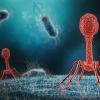
Bacteria that can’t be killed with antibiotics are a growing problem around the world. These cause serious infections in hospitals and other health care settings. Scientists have been looking for new ways to kill drug-resistant bacteria. One idea has been to use bacteriophages, also called phages. Phages are viruses that infect bacteria but are harmless to people. In a new study, researchers…
Kratom is a tree in the coffee family. It’s found in Thailand and neighboring countries. For centuries, people in Southeast Asia have used its leaves for both increased energy and relaxation. More recently, people around the world are using it to treat pain or manage opioid withdrawal symptoms. But kratom’s safety and effectiveness haven’t been well studied. In the U.S., kratom products are sold…
Share Our Materials:
Reprint our articles and illustrations in your own publication. Our material is not copyrighted. Please acknowledge
NIH News in Health
as the source and send us a copy.
For more consumer health news and information, visit
health.nih.gov.