A monthly newsletter from the National Institutes of Health, part of the U.S. Department of Health and Human Services
Site Menu
NIH Websites Are Changing
NIH is moving the launch of its new website to the fall to ensure the best possible experience for everyone who relies on our websites for health information, research, funding opportunities, and other resources.
Clear and honest communication with your physician or health care team can help you make informed choices about your health. Find tips that can help you get the most out of your health care appointments. Available in English or in Spanish.
Technology has changed the way we interact with each other. Social media puts other people just keystrokes away. This helps some feel like they have more social support. But for others, it can increase isolation and depression. Researchers are investigating how social media affects mental health. They’re learning that who you meet and what you find online can mean the difference between helpful…, Use Your Time Wisely, Logging into social media can lead you in many directions. Actively engaging and connecting with others online can help build your social supports—both online and offline. But spending many hours passively scrolling through upsetting content can send you spiraling into negative thoughts and feelings. Increased social media use has been linked to symptoms of depression, anxiety, and stress. But it…, Connect Carefully, You can find countless different people and communities online. “Many meaningful and beneficial connections can be made online,” says Keyes. “This is especially true for teens who have more marginalized identities. Sometimes they can find community and connectivity online that they can’t get in their day-to-day lives.” But the digital world can also expose you to harmful health behaviors.…, Seek Out Help, Social media can be a tool to improve your mental health. You can search for health information, hear about others’ experiences, or find treatment options. “We have found that social media can be very helpful for people who are feeling stigmatized about in-person recovery,” Cavazos-Rehg says. “Plus, social media can help those who are curious or ready to engage in treatment but want advice from…
Your eyes are your windows to the world. If something clouds them, you may have trouble seeing well enough to read, drive, or do other daily activities. One common cause of cloudy vision is cataracts. These form in the lens of your eye. Cataracts are a normal part of aging. They occur when proteins in the lens break down over time and clump together. The risk of getting cataracts rises as you get…
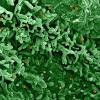
If you’re infected with SARS-CoV-2, the virus that causes COVID-19, you shed virus down the drain each time you wash your hands or use the toilet. This happens even if you don’t have symptoms. Scientists have been tracking levels of SARS-CoV-2 in wastewater for early clues about infections in cities and towns. Wastewater tracking has some advantages over clinical tests. It’s much less expensive.…
You may have heard that an outbreak of monkeypox is spreading across the country. The virus got its name because it was first discovered in monkeys in 1958. But it likely came from other animals. Since then, the virus has also infected people. Until recently, most monkeypox infections were in Africa. But due to international travel, the illness has reached several parts of the world. Monkeypox…
Feed your curiosity and learn about the technical side of science! Download an app and watch short videos that show how medical scans work. Videos offer advice for future scientists, too. You can also find out how bioengineers improve people’s lives, and more.
For some people, a glass of wine, a beer, or a cocktail is an occasional treat. Others struggle to stop at just one or even many drinks. Some may drink alcohol in moderation, but still feel like they’re not in control of their drinking. How do you know if alcohol has become a problem for you? Some people should avoid alcohol completely. These include pregnant women and people who take certain…, Rethinking Your Drinking, Alcohol use disorder is when you can’t stop or control your alcohol use despite damage to your work, health, or personal life. This doesn’t look the same for everyone. It’s a complex disorder and can be mild, moderate, or severe. “Alcohol use disorder is not caused by a single thing,” says Dr. Robert Messing, who studies alcohol and the brain at the University of Texas. “Different people can have…, Changing Your Brain, You may not succeed the first time you try to quit or cut back on drinking. Relapse is common in alcohol use disorder. “If you have a slip every once in a while, we still consider you to be in at least the early stages of recovery,” Koob says. It can take many tries to regain control of your alcohol use. That’s because alcohol can actually change your brain. Researchers are trying to better…
Some babies have a yellowish tint to their skin or the whites of their eyes right after birth. This is called jaundice. It can happen to adults, too. For adults, it can be a sign of a serious health condition. Your liver helps rid your body of natural waste products and other harmful substances. If something interferes with this process, toxic compounds can build up in your body. Jaundice happens…
Experts suggest that children ages 6 to 12 get at least nine hours of sleep each day. But many don’t get that much. A new NIH-funded study shows that getting enough sleep may be especially important for preteen brains. Researchers identified more than 4,000 children, ages 9 or 10, who got at least nine hours of sleep per day, according to their parents. This group was compared to a similar number…
When fall arrives, many of us know it’s time to get the annual flu, or influenza, shot. It’s also a good time to consider what other vaccines or boosters to get to protect your health. Staying up to date on vaccines is especially important for older adults. Our immune system helps the body fight infection, but it gets weaker as we age. Vaccines help to strengthen the immune system. Other vaccines…
Share Our Materials:
Reprint our articles and illustrations in your own publication. Our material is not copyrighted. Please acknowledge
NIH News in Health
as the source and send us a copy.
For more consumer health news and information, visit
health.nih.gov.