A monthly newsletter from the National Institutes of Health, part of the U.S. Department of Health and Human Services
Site Menu
NIH Websites Are Changing
NIH is moving the launch of its new website to the fall to ensure the best possible experience for everyone who relies on our websites for health information, research, funding opportunities, and other resources.
… exercises can prevent falls. Scientists are finding out that exercise may also improve our brain health. Research has shown that when you exercise, many different molecules are released … body, ‘You need to prepare for something,’” explains Dr. Saul Villeda, who studies the aging brain at the University of California, San Francisco. In preparing to withstand exercise, cells … often start to decline. We may have difficulty with learning and memory. That’s because our brains undergo cellular changes as we get older. The protective barrier around the brain also …
… Being diagnosed with Parkinson’s disease is life changing. This brain disorder causes slow and rigid body movements. People can experience tremors, stiffness, or … cell stops working normally or dies. These nerve cells make a chemical called dopamine. Your brain needs dopamine for making smooth, purposeful movements. Loss of dopamine causes problems … One possible biomarker is alpha- synuclein. This protein accumulates into toxic clumps in the brains of people who have Parkinson’s. Right now, alpha-synuclein can only be measured in the …
… cells make up all your tissues and organs, including your skin, heart, stomach, muscles, and brain. Gender is a social or cultural concept. It refers to the roles, behaviors, and identities … men who smoke.” One NIH-funded research team has detected some of these differences in the brain. In a recent study, 16 people who smoke—8 men and 8 women—underwent brain scans while smoking to create “movies” of how smoking affects dopamine, the chemical …
… A brain injury-related protein may one day help doctors know when they can safely send young athletes with concussions back into the game. Millions of sports-related mild brain injuries, or concussions, happen in the U.S. each year. Returning to play before you’re … dizziness, and problems with mental function after future concussions. After a severe brain injury, the brain makes more of a protein called tau. An NIH-led research team looked at …
… Get plain and simple facts about drugs and addiction. Learn how different drugs affect the brain, including over-the-counter and prescription drugs. Find out about who’s at risk for substance use, what happens to your brain during addiction, and the importance of prevention. …
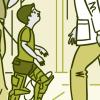
… intuitive to use, researchers are developing ways to detect the electrical signals in your brain and [qtip:nerves|Special tissues that carry signals between your brain and other parts of your body.] to help control advanced bionic prosthetics. This can be … hand to know when it was open or closed, or when it was reaching for an object. “We fool their brains into believing that the prosthesis is actually part of their body,” Marasco says. This …
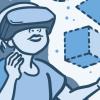
… Scientists have been testing VR to treat movement problems. These can be caused by a stroke, a brain injury, Parkinson’s disease, or other conditions. Rehabilitation exercises can sometimes … is also developing VR exercises for adults who have damage to the cerebellum, the part of the brain that coordinates movement. This type of brain injury makes people’s movements jerky and uncoordinated. The team is testing whether other …
… They send electrical impulses to your spinal cord, which then passes the signal on to your brain. Each nerve cell can respond with a different level of sensitivity to different types of … of your body,” Chesler explains. Researchers have found that the signal PIEZO2 sends to the brain can sometimes go haywire. In a condition called tactile allodynia, the sensation of gentle …
… are still trying to untangle why that is. Studies have found that activity in certain brain areas changes when other people are around. That can affect what you choose to do. But this … or peer, influence. Teens are especially responsive to peer influence. That’s because their brains undergo changes that make them highly attuned to social situations. At the same time, the … teens’ brains respond to being socially included or excluded. They’re also looking at how the brain’s reward system responds to different situations. Heitzeg’s team is part of a large 10-year …
… may expose people to more germs. A current study is looking at the safety of bringing dogs to visit children with cancer, Esposito says. Scientists will be testing the children’s hands to see if there are dangerous levels of germs transferred from the dog after the visit. Dogs may also aid in the classroom. One study found that dogs can help children with ADHD …
Share Our Materials:
Reprint our articles and illustrations in your own publication. Our material is not copyrighted. Please acknowledge
NIH News in Health
as the source and send us a copy.
For more consumer health news and information, visit
health.nih.gov.