A monthly newsletter from the National Institutes of Health, part of the U.S. Department of Health and Human Services
Site Menu
NIH Websites Are Changing
NIH is moving the launch of its new website to the fall to ensure the best possible experience for everyone who relies on our websites for health information, research, funding opportunities, and other resources.
Burns are skin or tissue damage, usually caused by heat. Burns often happen in the home. Some are caused by fire. They can also be caused by hot liquid, steam, and certain chemicals. Burns are defined by how deep they are and how large an area they cover. First degree burns are the least serious. They affect only the thin top layer of skin. A sunburn is a common example. They usually heal on…
Eating disorders are serious and can be fatal. Obsessions with food, body weight, and shape may be signs of an eating disorder. They affect all types of people. It’s important to seek treatment early. Learn more about the signs and treatments for eating disorders.
You may not give your liver much thought. But it performs essential functions every day. Like other parts of the body, fat can build up in your liver. That may damage the liver and lead to serious health problems. It’s normal to have some fat in your liver cells. But too much can interfere with your liver’s normal functioning. The liver acts as a filter to remove toxins from your blood. It helps…, Fat Build Up, Certain health conditions, your genes, your diet, and your digestive system can make you more likely to develop fatty liver disease. When this happens, it is called nonalcoholic fatty liver disease. “About one-third of U.S. adults have nonalcoholic fatty liver disease,” says Dr. Rohit Loomba, a liver disease expert at UC San Diego Health. People with obesity or type 2 diabetes are at greater risk…, Finding Fatty Liver, Most people who have fatty liver disease don’t end up with liver damage. But some develop [qtip:inflammation|Heat, swelling, and redness caused by the body’s protective response to injury or infection.] and damage in their liver cells. This stage of fatty liver disease is known as nonalcoholic steatohepatitis, or NASH. If NASH gets worse, it can cause permanent scarring and liver hardening. Liver…, Undoing Early Damage, The most effective fatty liver treatment involves a change in lifestyle. Weight loss is helpful. “But the weight loss has to be pretty significant,” says Loomba. You have to lose about 7% of your body weight to resolve NASH. You’ll need to lose at least 10% to reduce fibrosis, or scarring. Losing weight can also help reduce your risk of heart attack and stroke. Heart disease is the leading cause…
You may have gotten your driver’s license the day you turned 16. By the time you retire, you could have driven daily for more than half a century. But for some people, there comes a time in the aging process when driving becomes dangerous. “On the whole, older drivers are safe,” says Dr. Marian Betz, an expert in healthy aging at the University of Colorado, Anschutz Medical Campus. “They tend to…
COVID-19 vaccines are a key tool in fighting the pandemic. They slow the spread of the virus. They’ve also been shown to reduce COVID-19 deaths. A study estimated how many deaths were prevented because of the vaccines. Researchers collected data on state vaccination rates and COVID-19 deaths. They used the data to create a statistical model. Based on the model, COVID-19 vaccines saved nearly 140,…
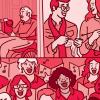
From an early age, we learn that nutritious foods and physical activity can help us stay healthy. Growing evidence now suggests that social connections may also be key to good health. Socially connected people tend to live longer. They’re at lower risk for serious health problems. Social bonds are also linked to our mental health, eating habits, and much more. Despite the links between our social…, Social Bonds, , Many factors can contribute to a person feeling lonely. These include the quality of your personal relationships, your community, and society in general. Your personal health, life stage, and personality can also have an impact. People who are socially isolated or feel lonely are more likely to have heart disease, obesity, high blood pressure, depression, or anxiety. They’re also at increased…, [qtip:inflammation|Heat, swelling, and redness caused by the body’s protective response to injury or infection.], , which can have effects on cardiovascular health.” Long-lasting inflammation has also been linked to cancer and other health problems. And our ability to biologically respond to stressors weakens with age. Necka notes that there’s a difference between social isolation and loneliness, but the two are related. Social isolation means you have few connections or contacts with others. Loneliness has…, W, ho’s at Risk?, Everyone feels lonely now and then. But certain factors can raise the likelihood of persistent loneliness or social isolation. These include living alone, having trouble walking or moving, or having problems with vision or hearing. Other risk factors include financial struggles and mental health issues. Living in a rural, unsafe, or hard to reach neighborhood also raises your risk. So do major…, Coupling Up, , “Marital status, or intimate relationships, are also an important feature of our social networks,” says Dr. David Sbarra, a psychologist and researcher at the University of Arizona. Married people tend to live longer and have other health benefits compared to the unmarried. But the quality of the relationship, whether supportive or fraught, can have an impact. “In a high-quality relationship,…, New Connections, “If you’re feeling lonely or socially disconnected, it can feel intimidating to try to form new connections,” Necka says. “High-quality connections are best. But even brief interactions can make a difference. It can be a first step.” For example, you might go to the grocery store at the same time every week and see the same clerk. You can smile and strike up a brief conversation. Or you notice…
Strong, healthy relationships are important throughout your life. Your social ties with family members, friends, neighbors, coworkers, and others impact your mental, emotional, and even physical well-being. “We can’t underestimate the power of a relationship in helping to promote well-being,” says NIH psychologist and relationship expert Dr. Valerie Maholmes. Studies have found that having a…, What Is Healthy?, Every relationship exists on a spectrum from healthy to unhealthy to abusive. One sign of a healthy relationship is feeling good about yourself around your partner, family member, or friend. You feel safe talking about how you feel. You listen to each other. You feel valued, and you trust each other. “It’s important for people to recognize and be aware of any time where there is a situation in…, Social Ties Protect, Studies have shown that certain factors seem to protect people from forming unhealthy relationships over their lifetime. The protection starts early in life. NIH-supported research has shown that the quality of an infant’s emotional bond with a parent can have long-lasting positive or negative effects on the ability to develop healthy relationships. “The early bond has implications that go well…, Helping and Getting Help, At any age, your relationships matter. Having healthy relationships with others starts with liking yourself. Learn what makes you happy. Treat yourself well. Know that you deserve to be treated well by others. Having an unhealthy or abusive relationship can really hurt. The connection may be good some of the time. You may love and need the person who hurts you. After being abused, you may feel…
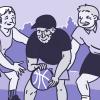
Obesity affects about 1 out of every 5 kids. Carrying too much body fat can affect almost every system in your body. It can contribute to many long-term health problems. These include heart disease, diabetes, and mental health issues. “Prevention and detection of childhood obesity is important because the longer you have it, the more at risk you are of developing related complications,” explains…, Starting Early, Researchers are studying interventions for childhood obesity as early as preconception and pregnancy, Osganian says. Studies have found that a mother’s weight, diet, and physical activity during pregnancy can affect a child’s risk of obesity. Scientists are trying to unravel how diet and exercise during pregnancy influence an infant’s weight, body fat, and [qtip:, metabolism, |Chemical changes in the body that create the energy and substances you need to grow, move, and stay healthy.]. Infants who have a high birth weight or gain weight too fast have an increased risk for childhood obesity. NIH research has also shown a link between obesity and a lack of sleep that begins as early as infancy. An NIH-funded program called INSIGHT tested ways to address these early risk…, Growing Healthy Habits, Obesity comes from taking in more energy, or calories, than your body uses. So it’s important for kids to choose both healthy foods and appropriate portion sizes. Getting enough physical activity helps their bodies use more of the calories they take in. “Parents can help prevent childhood obesity by focusing on their child’s diet, activity, and sleep within the home through the teenage years,”…, Getting Healthy Together, Diet and physical activity are both key for obesity treatment. Epstein’s work has shown that treating the whole family can have added benefits. His group has developed family-based behavioral interventions. These target both parent and child for healthy eating and more physical activity. They also include guidance for parents on modeling healthy behaviors and positive parenting tools. “The…
Tendons connect muscles to bones. Without them, your muscles couldn’t move your body. When you injure a tendon, it can affect your everyday activities. “No matter how strong your muscle is, you’re not going to be able to have the functionality and the stability that you need if a tendon is impaired,” says Dr. Nelly Andarawis-Puri, a bioengineering researcher at Cornell University. Tendon troubles…, Breaking the Cycle, “The most common type of tendon injury is an overuse, or wear-and-tear, injury,” explains Andarawis-Puri. “It’s not necessarily painful once it starts and can be silent for a long time. Essentially, you predispose yourself to more and more accumulation of damage. Then, eventually you have degeneration.” Getting treatment early can help keep tendon problems from getting worse. Your doctor may…, Reversing Chronic Conditions, The highly organized nature of tendons is key for them to work properly. “But tendons are a rather lazy organ,” Abraham explains. “They are slow to adapt, if they adapt at all.” Abraham’s team is trying to understand the changes tendons undergo from chronic injuries. They’ve developed a system that allows them to grow 3D tendon-like structures using cells from patients’ tendons. “We’re developing…, Coaxing Repair, Unlike people, some animals can fully repair tendon tissue as adults. For instance, zebrafish completely regenerate tendons throughout their lives. Galloway hopes to learn from them. Her group has shown that tenocytes can repair fully torn tendon tissue in zebrafish. Her recent study showed that the cells bridge fully severed tissue back together. People and other mammals have tenocytes, too. But…
After you eat, your stomach breaks down the food before pushing it along. How long it takes for your stomach to empty depends on many factors. Meals that are big, fatty, or high in calories will empty more slowly, but it also depends on your health. Some people have a condition that makes food empty slower than it should. It’s called gastroparesis. Gastroparesis isn’t common. But about 1 in 4…
Share Our Materials:
Reprint our articles and illustrations in your own publication. Our material is not copyrighted. Please acknowledge
NIH News in Health
as the source and send us a copy.
For more consumer health news and information, visit
health.nih.gov.